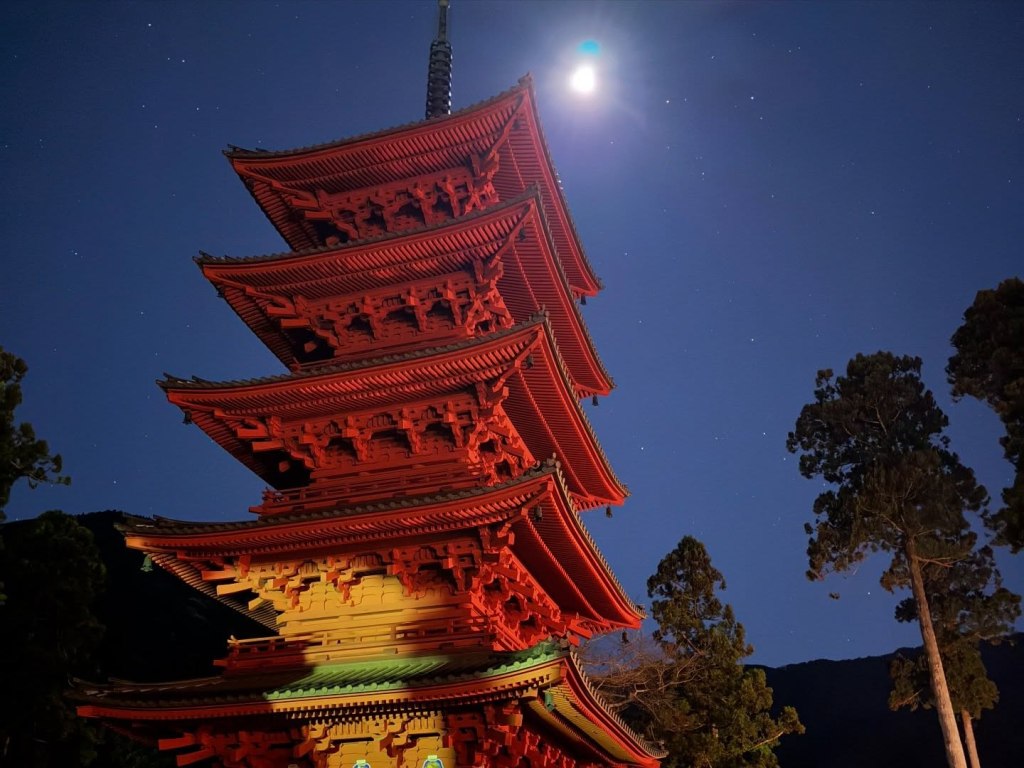
It is early spring in Japan. We are to the west of Mount Fuji, about three hours by train from Tokyo. Minobu, nestled on the side of a holy mountain in Yamanashi Prefecture, is off the beaten travel track and has a rich history, beautiful scenery, and spiritual significance as the home of Kuon-ji, the head temple of the Nichiren sect of Buddhism, founded in 1251. Some thirty of the ‘branch’ temples of Kuon-ji have been converted to shukubo —inns where visitors can immerse themselves in spiritual calm.
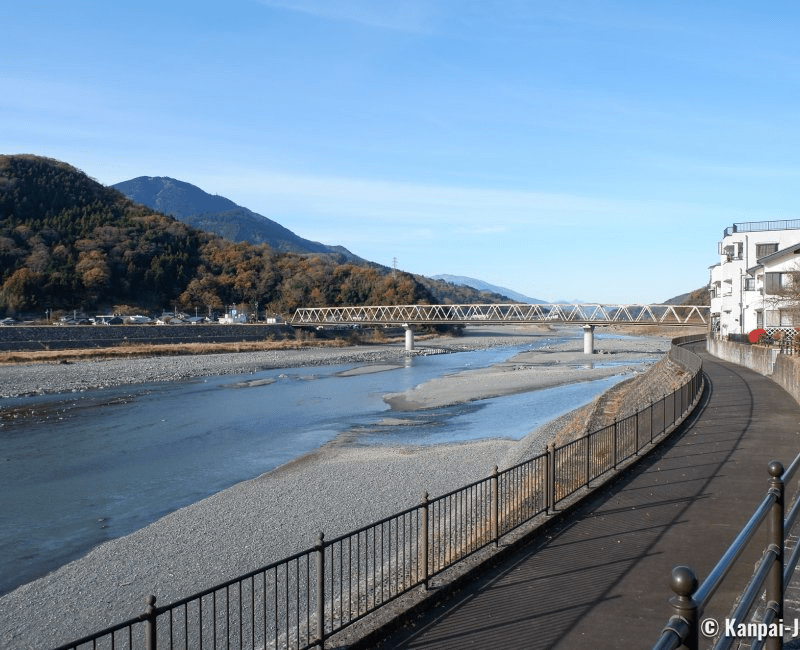
The taxi from the station crosses the braided Fuji River and climbs steeply. We pass under a weathered town portal adorned with woodcarvings and enter a tranquil world far removed from the frenetic bustle of modern Japan. A narrow main street winds past housefronts encroaching on the road, tiny moss-covered garden nooks, small family shrines, souvenir shops and rustic cafes. Our driver turns right up an even steeper hill and we catch glimpses of ancient moss-covered graves, temple buildings and shrines clinging to the banks above us.
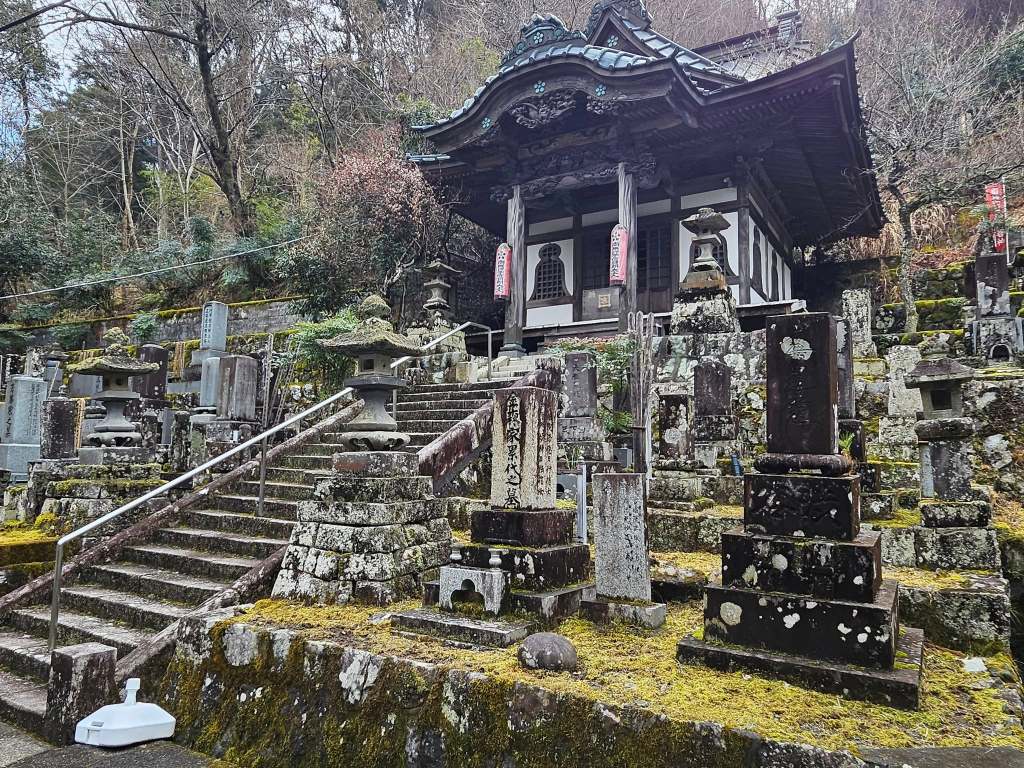
We step into cool mountain air in front of the seamless fusion of inn and temple that is Shukubo Kakurinbo, recipient of the Best Inbound Travel award at the 2024 Japan Travel Awards for providing a unique, sustainable and authentic Japanese experience for travellers from overseas. Pockets of mist snag in the trees above us, and the only sound is the white noise of rushing water as we change into house-slippers, leaving our shoes in the shelves beside the door.
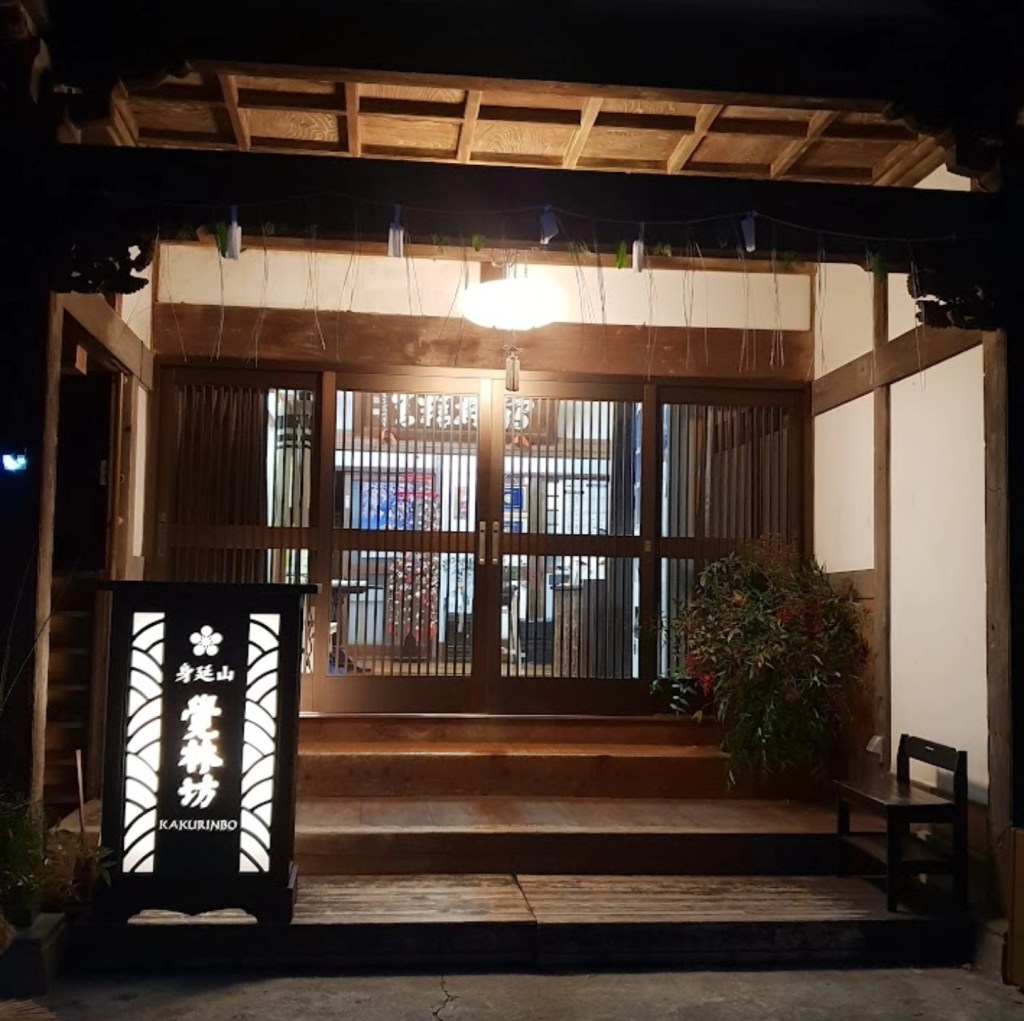
Shukubo are considered a luxury—a spiritual self-pampering retreat—by the Japanese. They’re essentially traditional inns; simple and aesthetic, but governed by a Buddhist code:
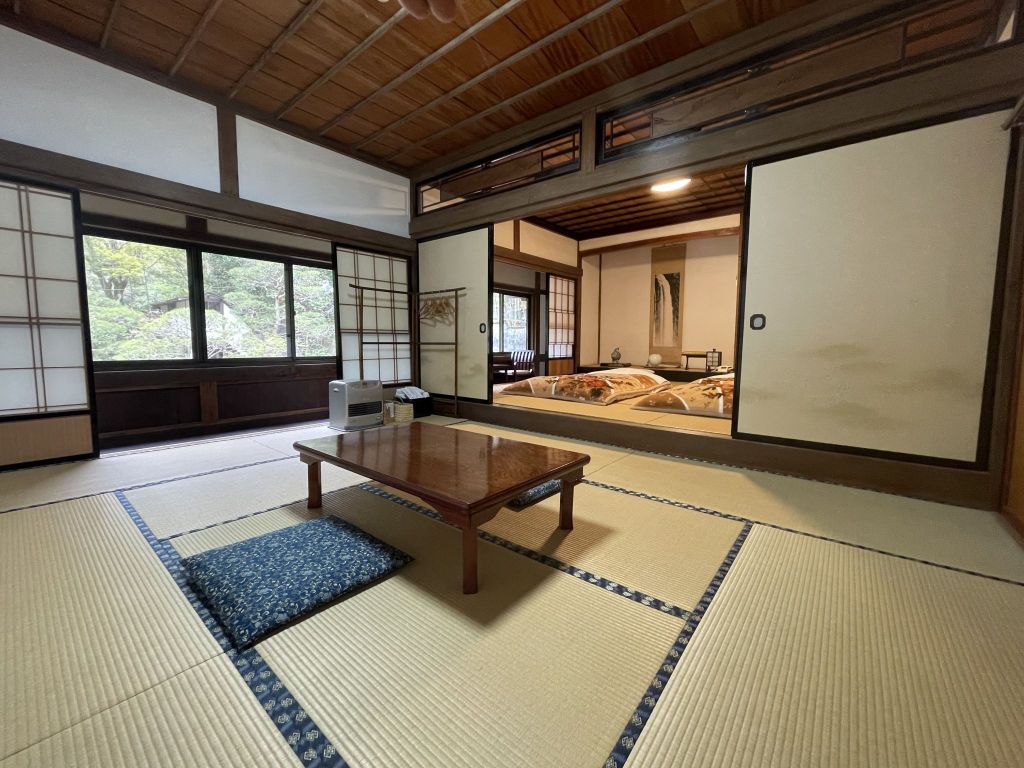
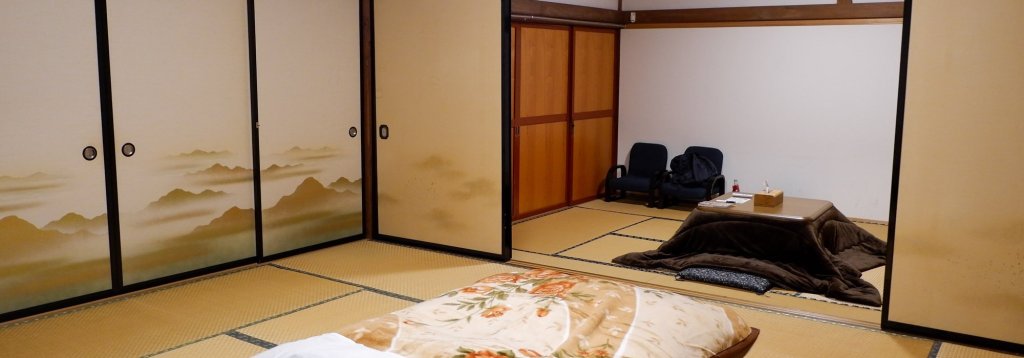
- Visitors stay in a traditional Japanese room with tatami floor-covering, futon bedding, a tokonoma alcove decorated according to the seasons and fusuma or shoji sliding partition screens which, at Kakurinbo, divide living and sleeping spaces. Furniture and equipment are simple but functional— a kotatsu (heated quilt-table) and its low-rise chairs, air purifier, TV set, green-tea-making facilities (with reusable, washable cups) and taller armchairs and table in the engawa beside the window. Crisp cotton yukata (robes) provided give guests an in-crowd vibe when wandering round the shukubo. As a bonus, there’s free wifi in all rooms at Kakurinbo.
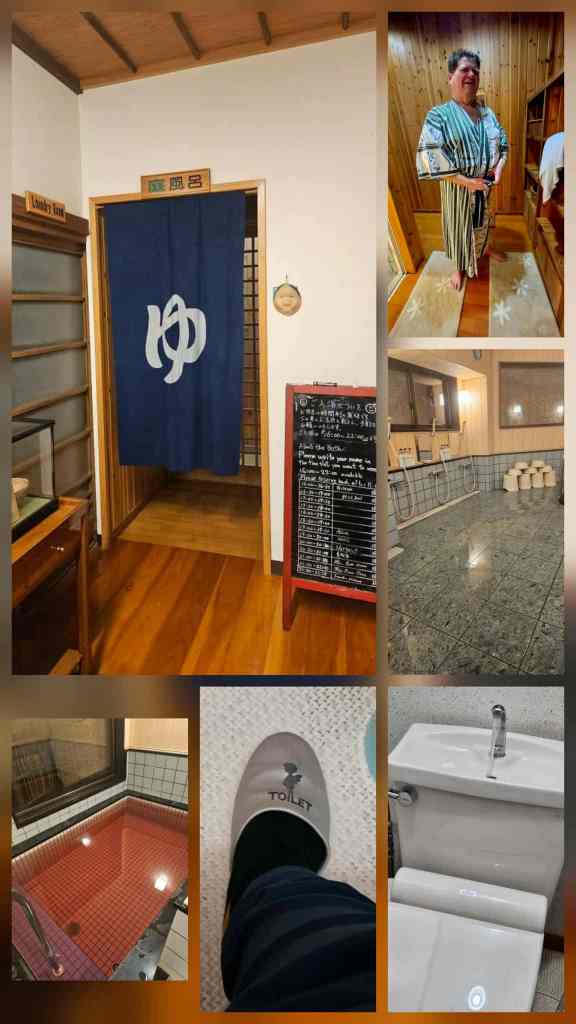
- Bathrooms and toilets are shared between all guests, but the sento (communal bath)—at Kakurinbo, anyway— is privatised; guests write their names on a roster at the door to reserve thirty-minute slots in the hot bath, alone, or as couples or families. The bathwater is red-tinged with Koshu wine—Yamanashi’s speciality drop. The toilets, at the ends of each corridor, are western-style but rather than being bidet-style are eco-friendly ‘washlets’ (a wee tap comes on and runs into the cistern when you flush, for hand-washing). They and the handbasins are scrupulously clean. Don’t forget to take the toilet slippers off when leaving the wet area!
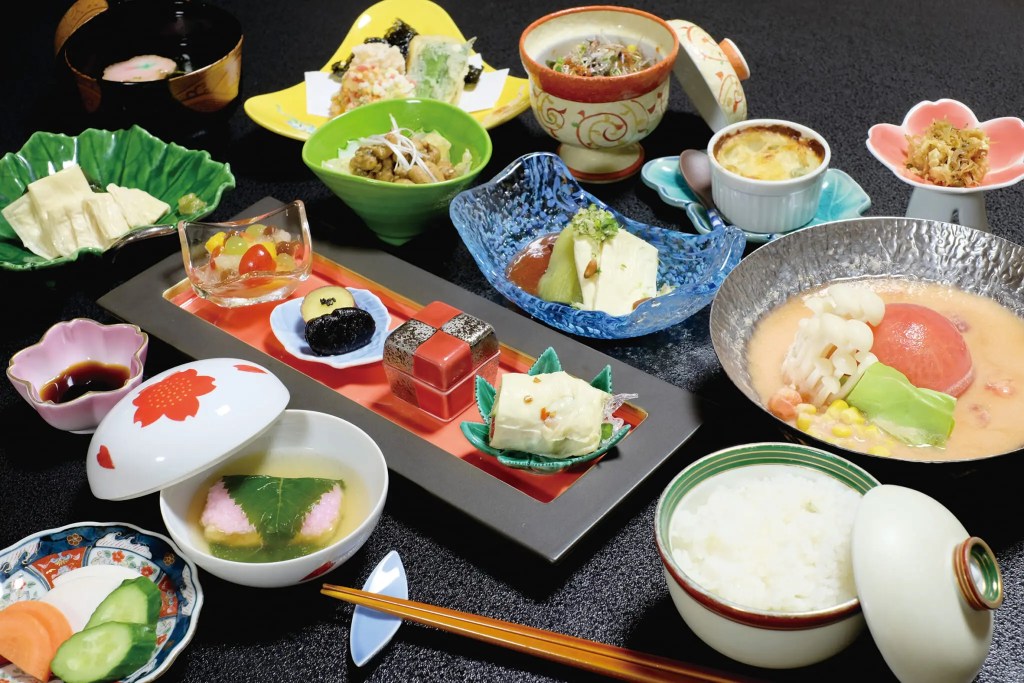
Meals at a shukubo are Shojin Ryori (=Monk food) served in the kaiseki fashion(many small attractively presented dishes) and are strictly vegan. Kakurinbo is renowned for its yuba (tofu skin) dishes, made with Akebono soybeans, a unique regional product, and its vegan hoto (a rough-cut noodle dish eaten only in Yamanashi) which is broiled with tomato soup and a whole tomato rather than fish or chicken stock.
We’re welcomed by ‘Midori’ in fluent English. Kakurinbo was founded to accommodate visiting priests and monks on pilgrimages to holy Mount Minobu, she tells us. We’re welcome to observe or participate in morning prayers. She highlights the steep, ‘shortcut’ path to the Kakurinbo Temple on a map and tells us to listen for the bell at five am.
‘Because of its size, a monk must use his entire body to strike the bell with enough force,’ she says. ‘If you wake up early, you could go to watch.’
She gives us a run-down of the twenty-five cultural ‘activities’ and experiences offered while we’re there. Oh, for more time! We elect to explore the township and temple the following day ourselves and book a private tour to Lake Motosu for the day after that.

Midori leads us upstairs and along a corridor lined/decorated with hanging furisode (wedding kimonos). A professional kimono-dresser will come on request to help female guests don one of these eighteen extremely valuable silk kimonos and accessories for a photo-shoot opportunity. Men’s kimonos are also available.
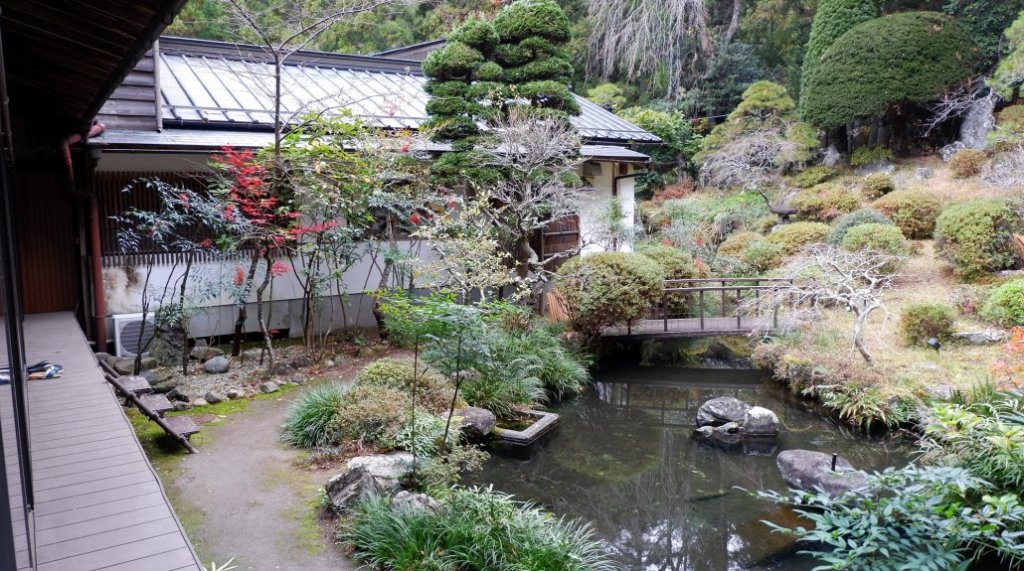
Our room has a clean and simple aesthetic and an ambiance of stillness (till we start tumbling stuff from our cases). Its warm wood tones and traditionally white plastered walls breathe tranquillity. We gaze out at a central Zen garden highlighted with brightly coloured koi swimming in the pond. It’s March, and white and pink peach blossoms adorn some of the trees.
Mrs Junko Higuchi, on discovering I speak Japanese, chats candidly in the dining room which is furnished with chairs and western-height tables as a concession to foreign visitors. Mrs Higuchi, wife of the highest-ranking monk and an interior designer, has been head chef and manager of Kakurinbo for eighteen years. Her aim is to offer a deep spiritual and cultural experience with an ambience of understated luxury and hospitality.
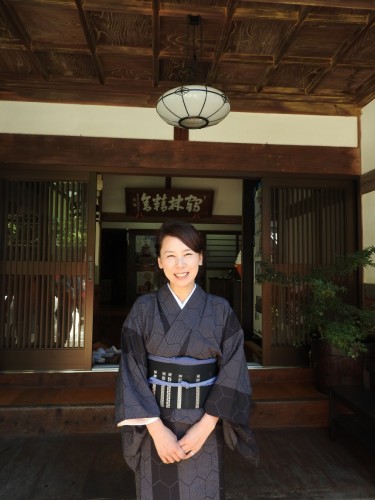
‘I want to promote Minobu and Yamanashi,’ Mrs Higuchi says. ‘I’ve many ideas, but I’m just one person with only so much time and energy.’ Her husband is the third generation of his family to become a monk and the forty-second head monk in over five-hundred years. I feel I need to add that our conversation is in Japanese. Only a few of the staff speak English.
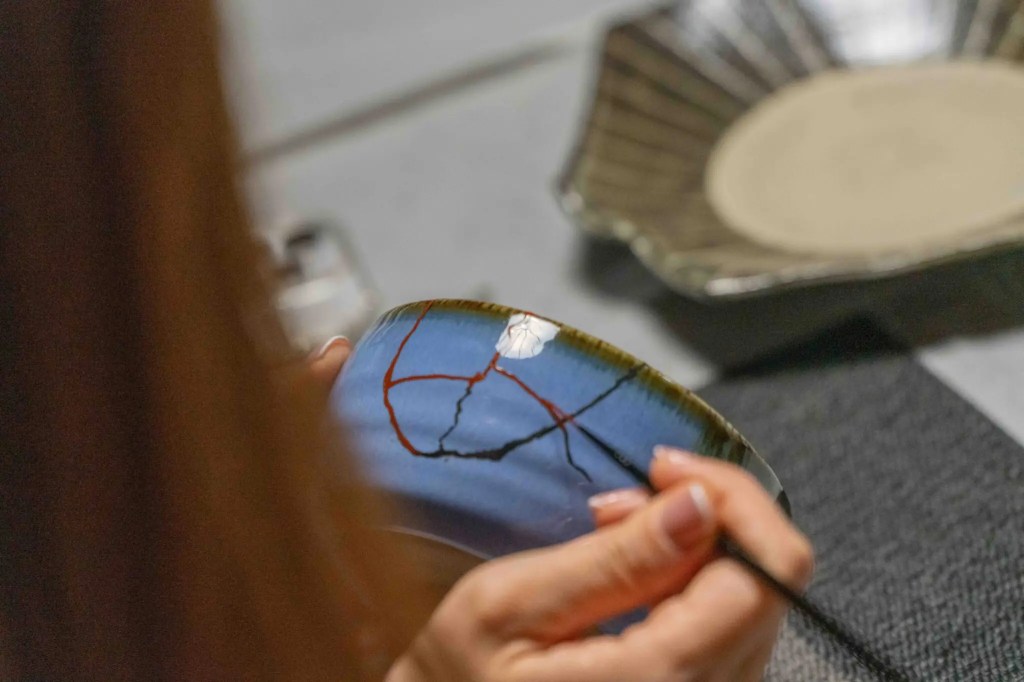
Kakurinbo provides not only a spiritual link to a Buddhist temple, but a connection to people passionate about their community and traditional Japanese crafts. Mrs Higuchi’s vision is supported by artisanal friends such as a local potter who offers weekly workshops in his home studio. Visitors also have opportunities for craft activities such as making washi paper the unique Yamanashi way, making senko hanabi, a traditional form of fireworks, ikebana (flower-arranging), shodo (calligraphy) and hanko (signature stamp-making) amongst an array of traditional pastimes and crafts.
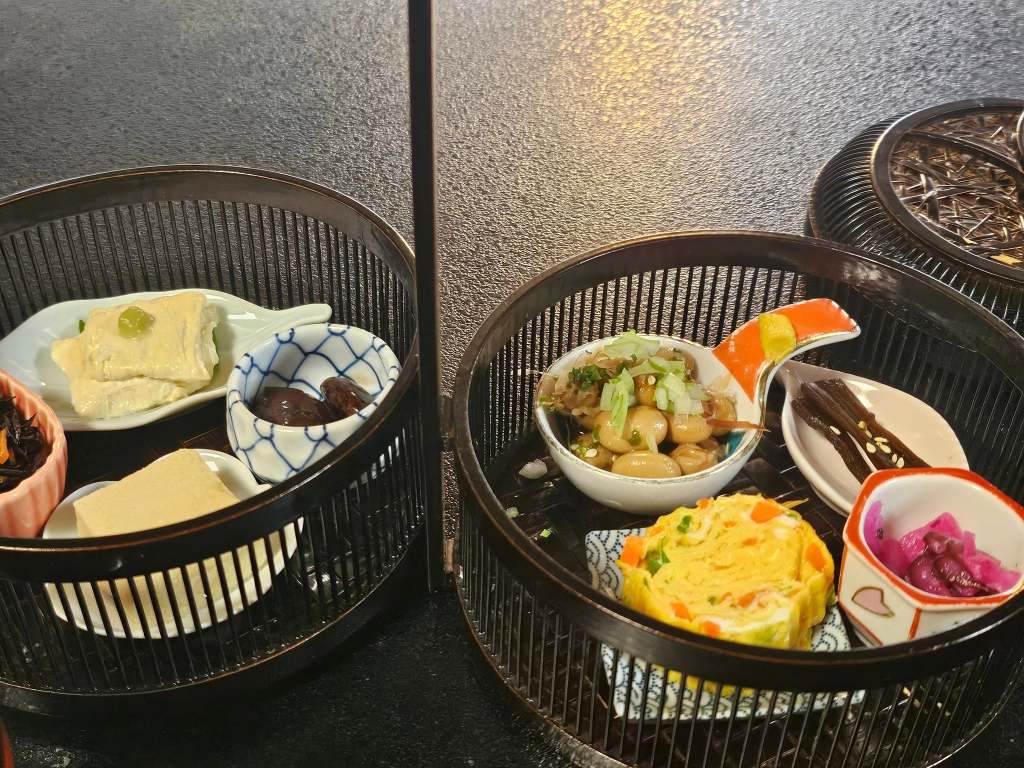
Mrs Higuchi’s passion, creativity and eye for beauty is evident in the meals. Each is a handcrafted celebration of time and place—ingredients must be in season and have been produced in Yamanashi. The vegan fare is as satisfying to the eyes as it is to the taste buds. Natto (fermented beans) and miso are made in-house from akenobo daizu, a local variety of soybean, and every meal features yuba, a thin sheet of tofu “skin” skimmed from steaming vats of soymilk. The soft-serve yuba ice cream accompanied by seasonal fruit toppings is a stand-out.
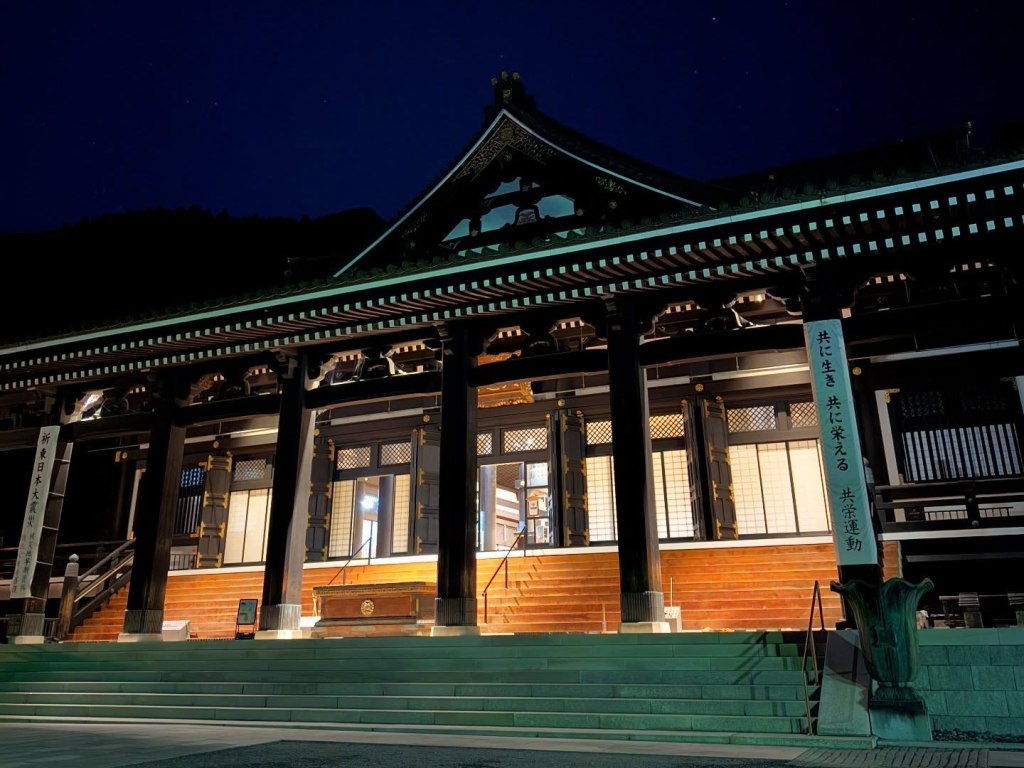
We sleep soundly, so miss ‘watching’ the ringing of the great bell. We are woken by its resonance —the call to prayer. There’s time to rug up and grab torches for the tramp up the ‘shortcut’ in the dark with other guests, cocooned by the crisp morning air and the silence of nature; the only sounds, running water and our own breathing and footsteps.
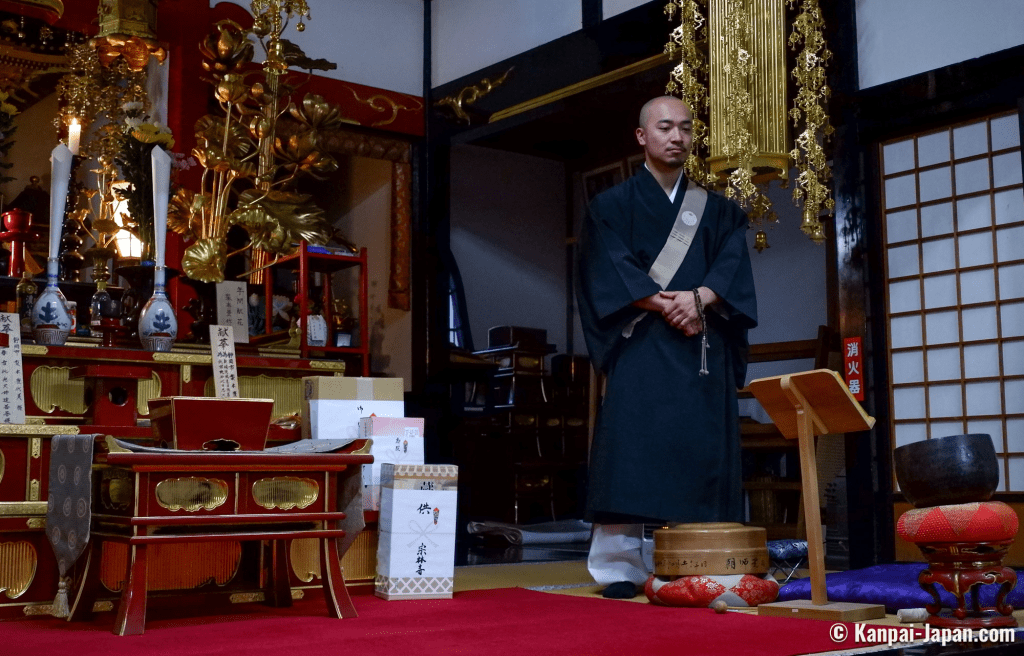
The purpose of the daily morning service (Cho gon) at a Buddhist temple is to begin the day by offering gratitude, asking for protection, and praying for contentment for all beings. It’s an immersive experience, filled with rhythm, resonance, and harmony. Dozens of novice and temple monks and visitors chant sutras in unison to create a peaceful energy that underpins all that is traditionally Japanese. The sound of the large drum and the monks chanting together during the service is incredibly powerful. You should not take photos, but here is a link where you can see part of it and the temple grounds:
The simple ritual for offering incense to the Buddha is :
Approach the incense burner: Use your right thumb, index finger, and middle finger to pick up a pinch of the powdered incense next to the incense burner.
Gently drop the pinched incense into the middle of the incense burner.
Face forward and perform two bows as a sign of respect.
Clap your hands twice as part of the prayer ritual.
Face forward again and perform one more bow.
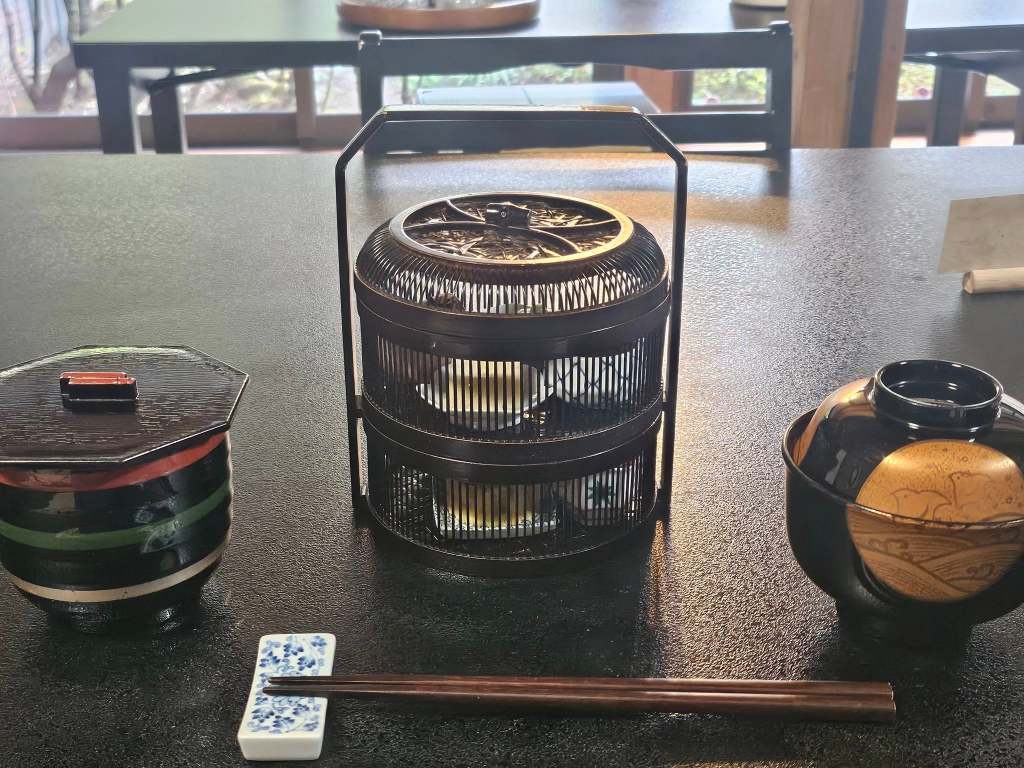
We return to Kakurinbo for breakfast, served imaginatively in the triple-decker cages that Japanese children use to keep cicadas as pets.
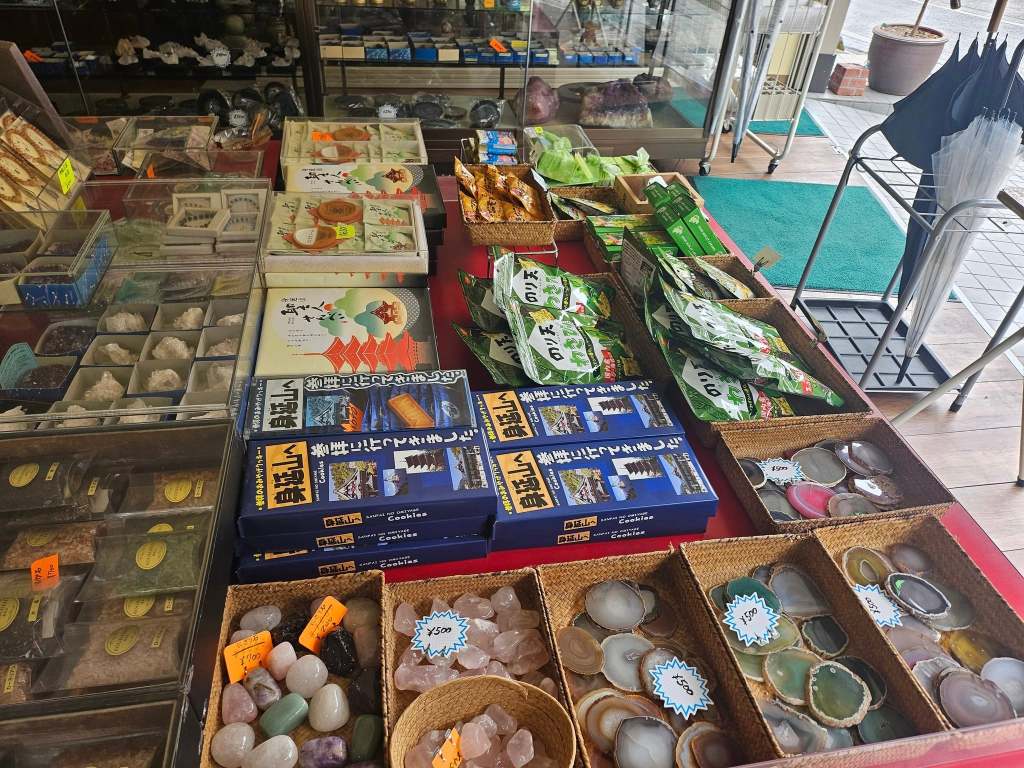
Mooching round Minobu for the morning, we’re in authentic Japan—a world away from the frenetic pace of Tokyo. There are many family-run souvenir shops selling tasteful items, such as Inden (soft, decorated deerskin) leathergoods, crystals, carved soapstone and cherrywood lucky charms and peach snacks, unique to Yamanashi prefecture.
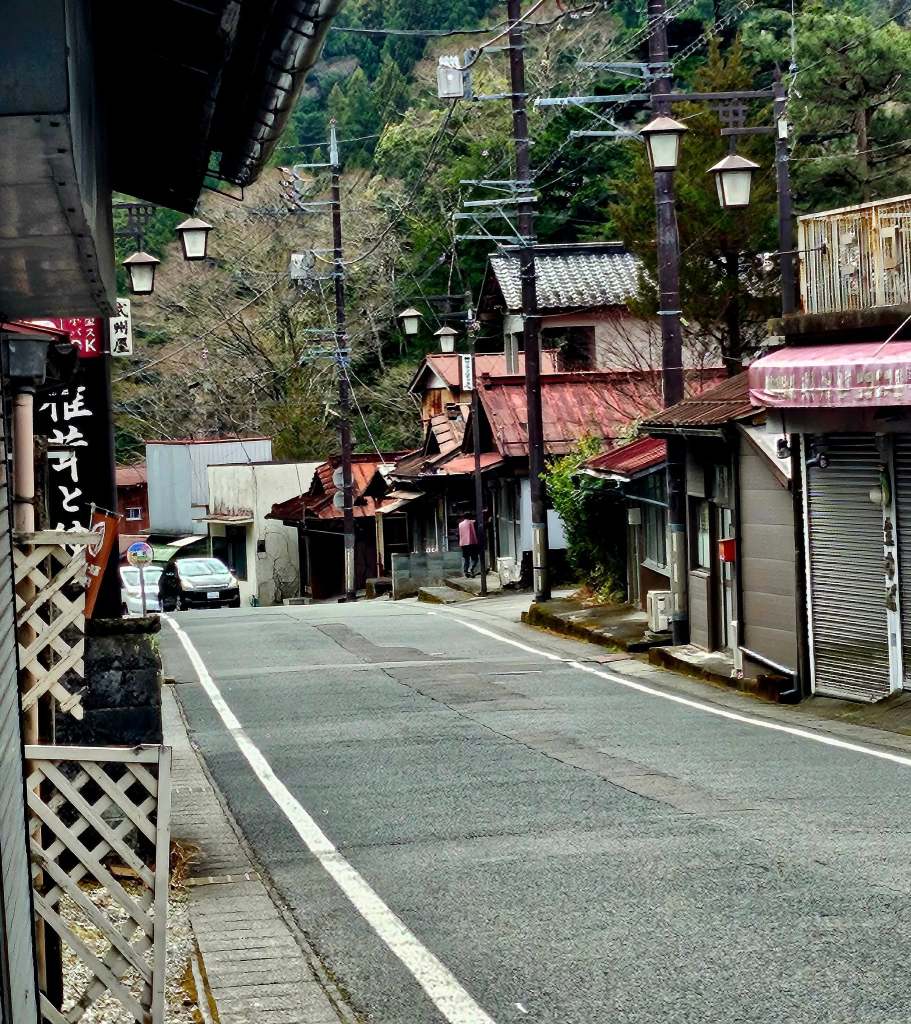
Not a ‘Hello Kitty’ or ‘Pokemon’ is to be seen. Most shops are trustingly unattended and we call out ‘konnichi wa’ or ‘sumimasen’ to bring an artisan shuffling out from his or her workshop.
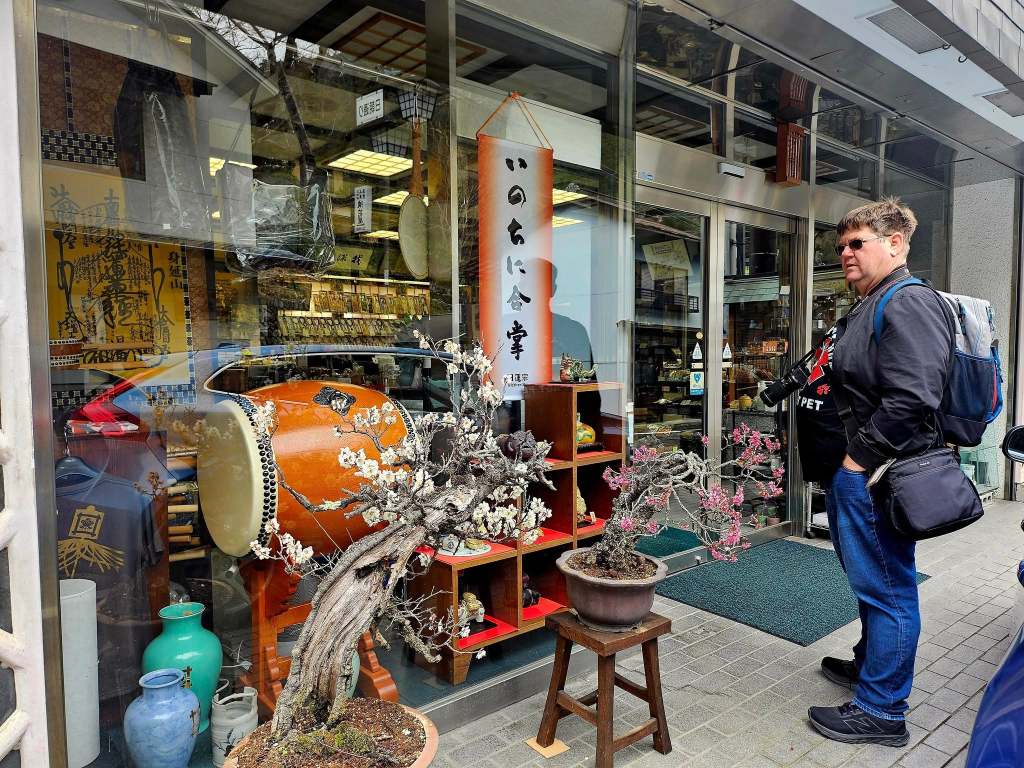
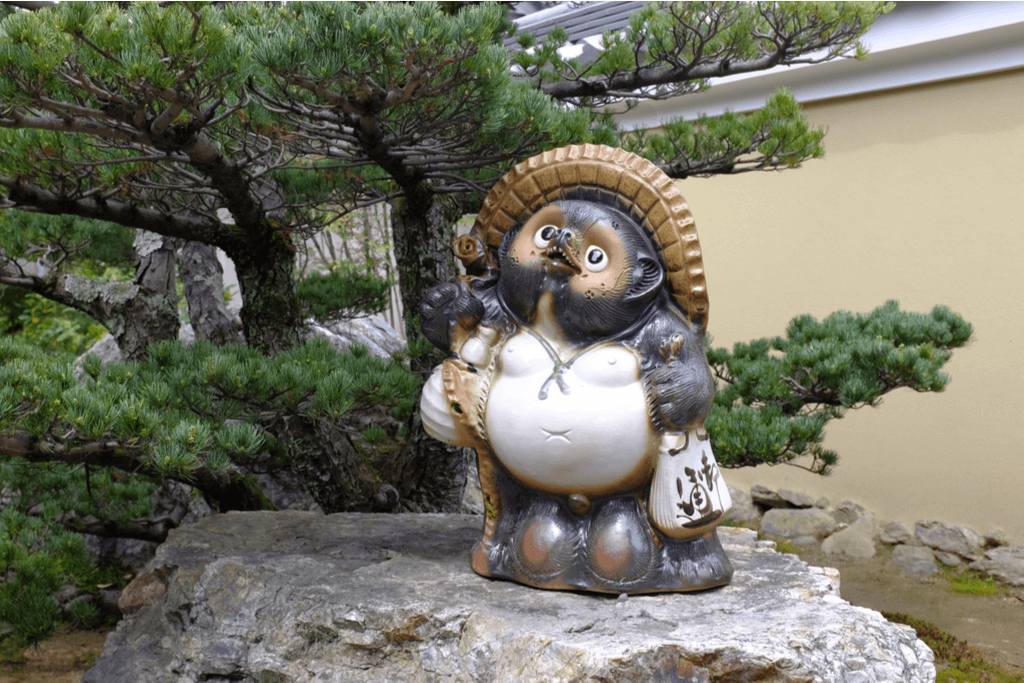
There are also vendors of Buddhist religious items, such as handmade prayer beads and tanuki (naked fat raccoon dogs with ning-nongs) statues, and ‘holy water’ from the Mount Minobu spring, which is said to have healing properties for the eyes.
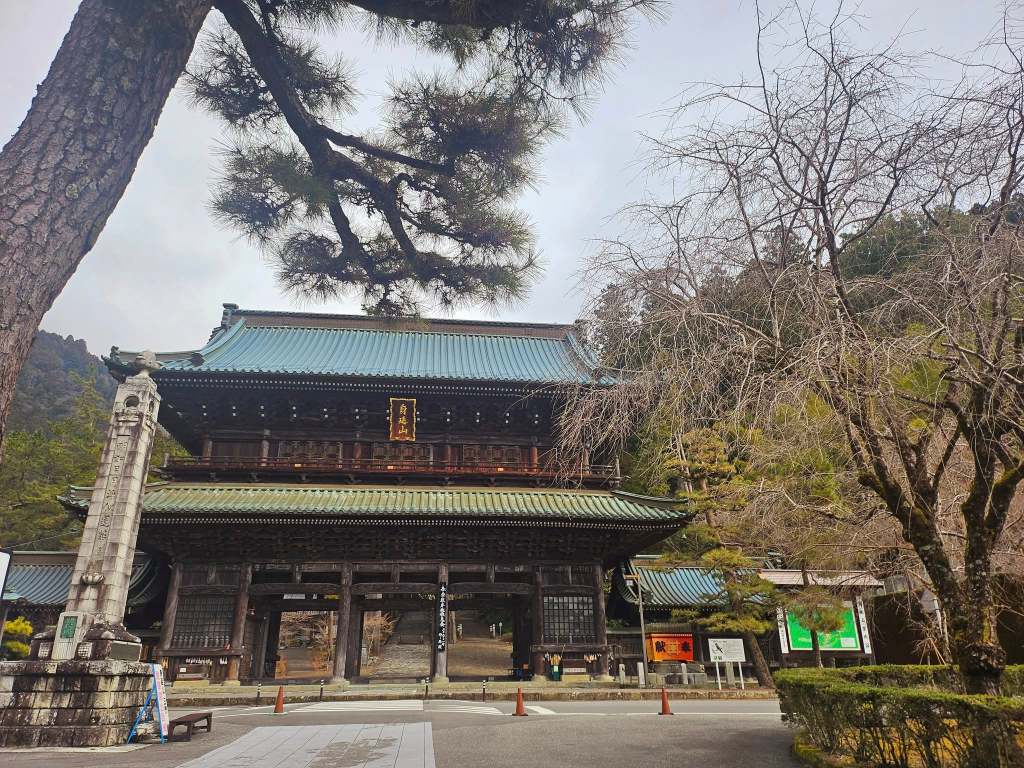
At the end of Minobu’s main street, past the tiny Tourist Information Centre with its bear-deterring bells for hire, is Kuonji’s magnificent main sanmon (temple gate), the third largest in Japan, after those of Kyoto’s Chionji and Nanzenji.
After passing respectfully through it, spiritual pilgrims must climb the eight-hundred-year-old stone staircase, reached through an ancient cedar forest. A group of macaques (monkeys) flits across the path but, otherwise, the solitude is palpable.
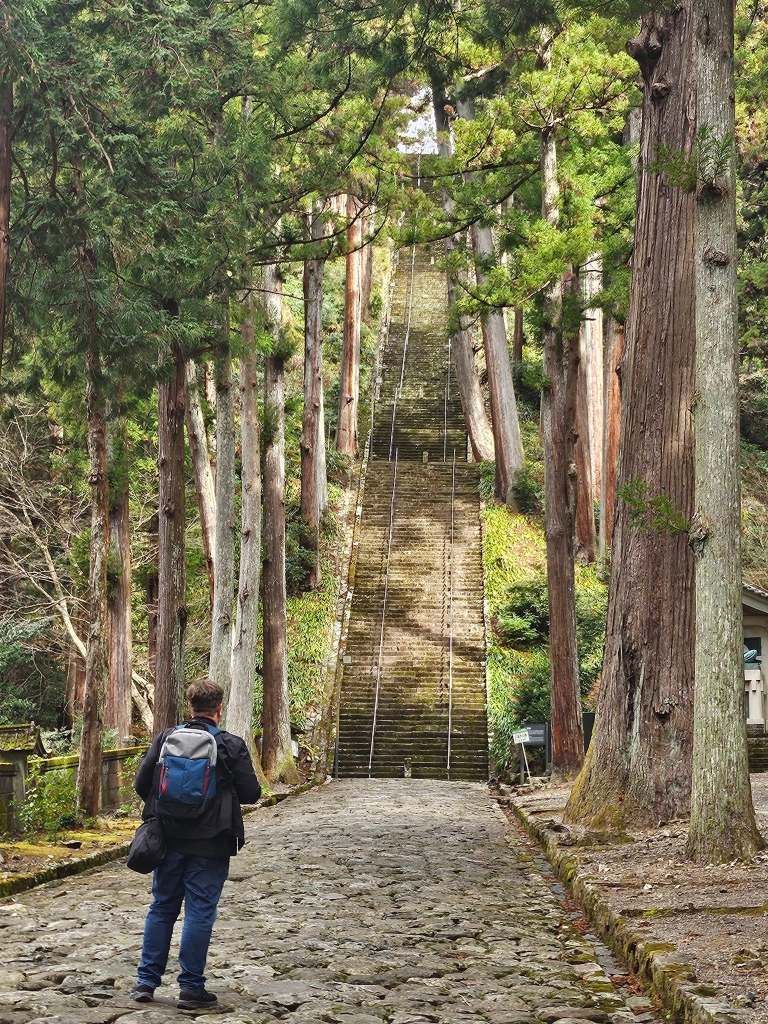
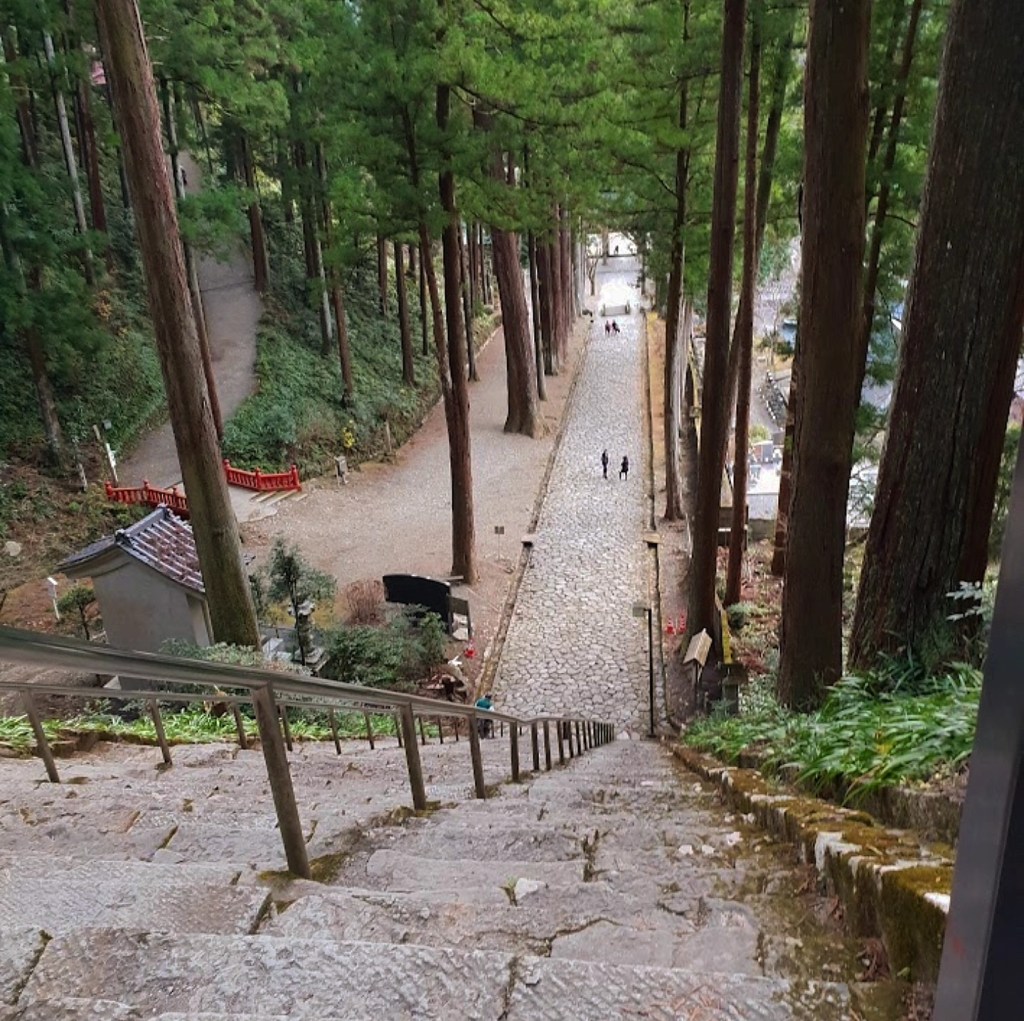
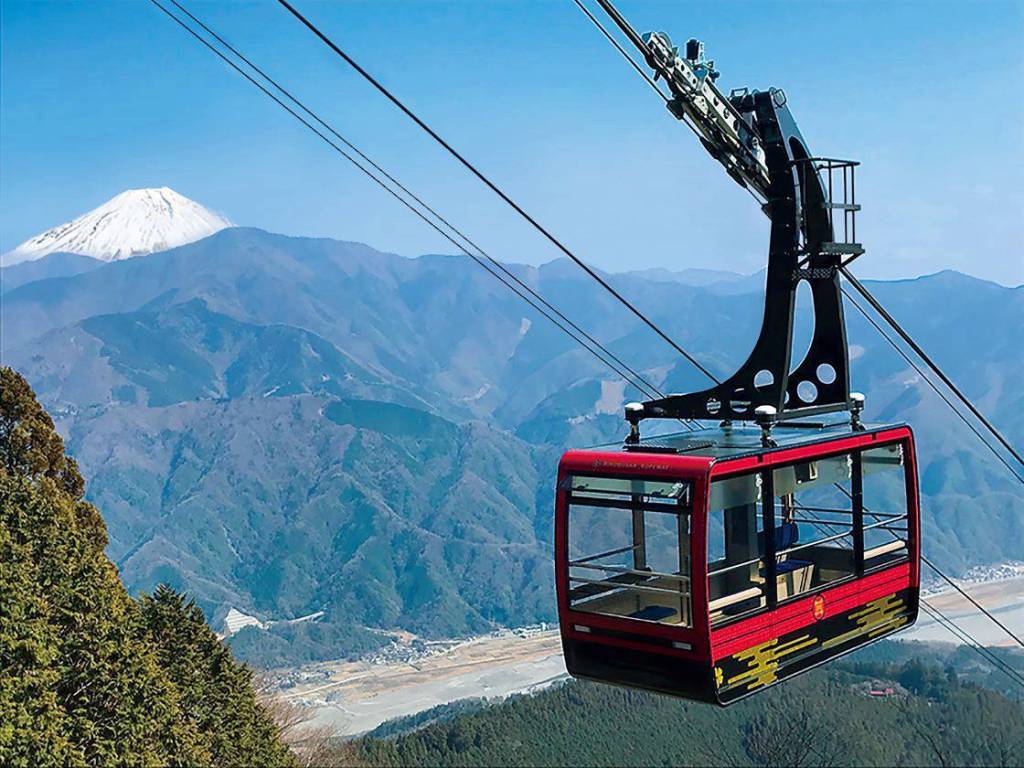
From below, the top of the staircase is a tiny square of light through the cedar boughs. It seems impossibly far and high. I immerse myself in the flow of time and begin to climb the two-hundred-and-eighty-seven stone steps to Bodaitei—the state of enlightenment in Buddhism. I feel light-headed, if not enlightened, after the climb, but it’s worth it to see the main temple, and the vermillion five-storied pagoda. We are there at the time of “Diamond Fuji”, the few days twice a year, when if the weather is clear, the sun rises directly above the summit of the sacred Mount Fuji. Yamanashi is shrouded in mist below and around us, but on a sunny day, the view is reported to be breathtaking. For less determined people it’s possible to ride to the top of the mountain on the Minobu Ropeway. It takes about seven minutes. The return trip is 1500 yen (AUD $15).
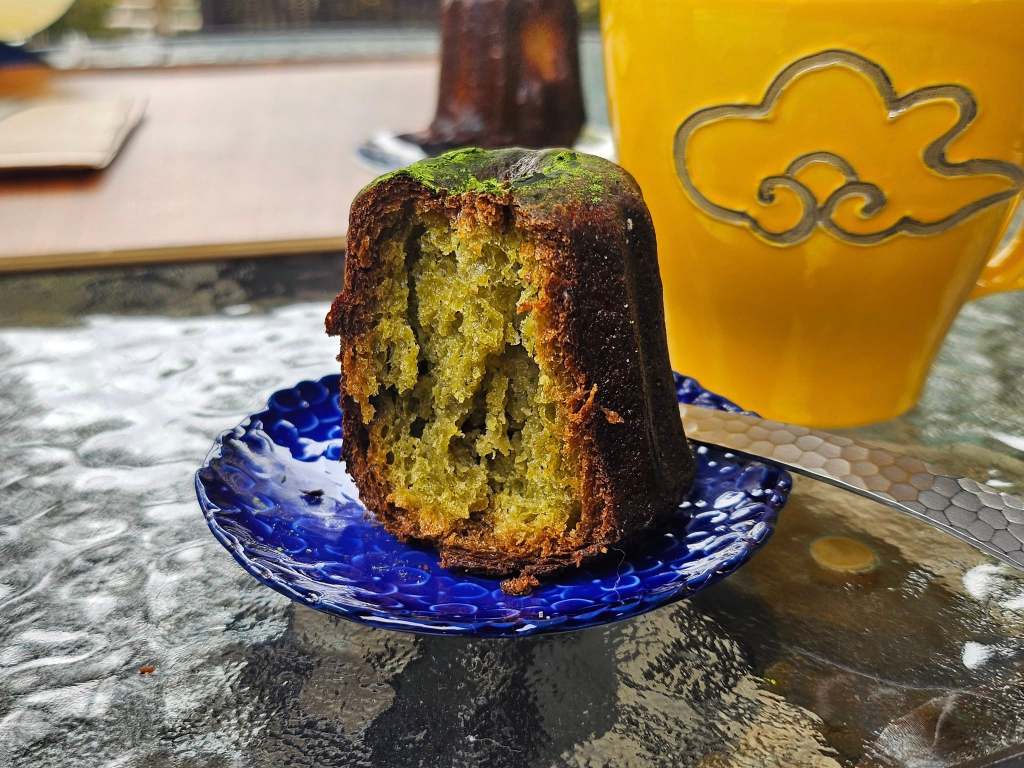
Back in the township, we’ve a voucher from Mrs Higuchi for sampling speciality cakes at Café Zencho, which also serves light lunches. Dotted with wicker chairs, the spacious terrace is the perfect place to indulge in a glass of post-enlightenment house-made ginger ale. It’s so delicious that it becomes our yardstick for comparing all other drinks the rest of our stay in Japan. The soybean kaneree (Maybe “canary”?)cakes made with local akebono beans and culinary matcha are also mouthwatering.
For lunch we dine at Yamadaya, which has a family motorcycle parked in the foyer and a pavement sandwich board advertising ‘Hanbaagu kare chiizu’ — grilled cheese over a hamburger patty over curry over rice. Hubs just has to try it and is not disappointed. We are their only lunch customers, so the family makes a polite fuss of us.

In the afternoon, we visit Yuba no Sato for the Yuba Making Experience, which requires reservations in advance. Each cube of the soyabean-skin curd, is prepared by hand.
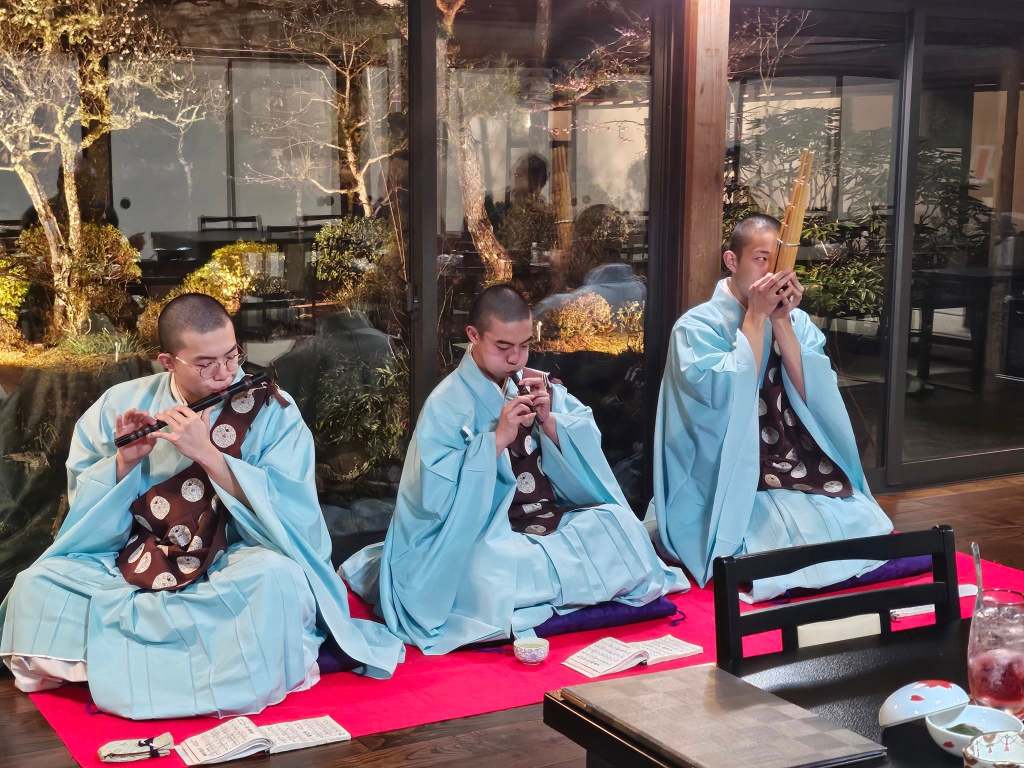
On our second evening, novice monks in teal robes come to Kakurinbo to give a Gagaku ‘performance’ on three wind instruments: shou representing the voice of the dragon, hichiriki—the sound of the ground (!) and the flute-like ryuteki— the sound of heaven. Gagaku is ancient music and sometimes dance, performed at the Japanese Imperial Court, and is listed as a’ UNESCO Intangible Cultural Heritage’. Like the shodaigyo chanting at morning prayer, it’s discordant to our unattuned ears but is still, in turn, uplifting and soothing.

The musical score pre-dates the western-style stave and is written in angular katakana characters ‘invented’ by monks for this purpose but now incorporated into the modern Japanese script and used to write foreign words and onomatopoeia.
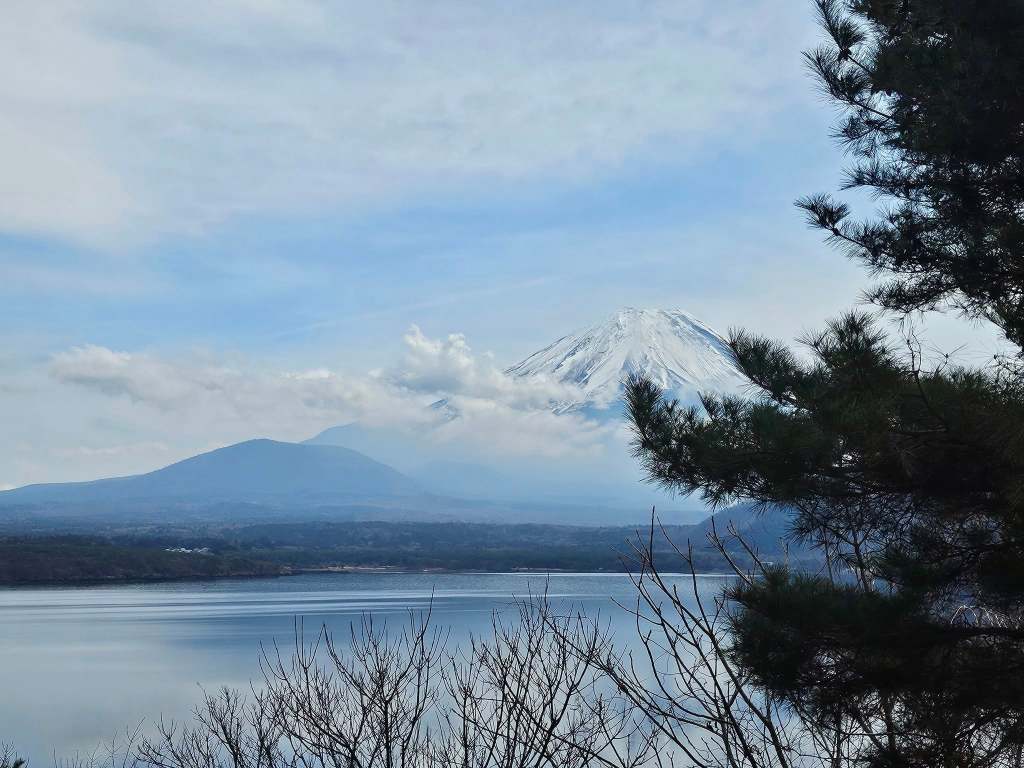
We are rewarded on our private excursion the following day by clearing weather. We drink in breathtaking views of Mount Fuji rising through clouds beyond Lakes Motosu and Sai, drive through a mystical ‘suicide’ forest where compasses go awry, visit an unusual shrine where pregnant women pray for an easy birthing experience and spend time at Yamanashi Rock and Gemstone Museum where we crush a rock to make our own crystal geode.

Long-term Yamanashi resident, Clive, originally from England, is our driver/guide and is a passionate advocate for the area. He takes us to a Lawson (convenience store) to buy lunch before dropping us and our luggage at Minobu Station.
We leave Minobu feeling purified in both body and soul. The unhurried pace of ancient routines, the whispering of the wind through the cedars, the white noise of water rushing down the mountain, the distant calls of birds, the gentle murmur of sutras—this unspoiled place is alive with a constant, calming energy that words and photographs can’t fully convey. Its splendour is reserved only for those who visit.
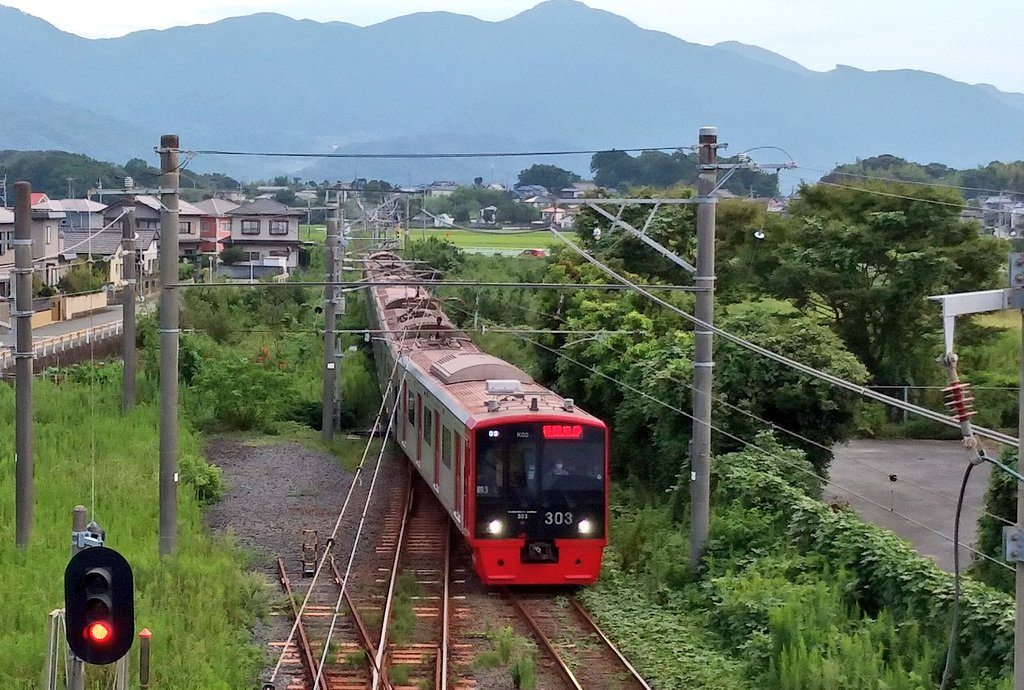
Jetstar flies daily from Brisbane and Sydney to Narita, Tokyo. QANTAS flies directly from Melbourne to Narita. To get from Tokyo to Minobu by train, you need to go around Mt Fuji, so allow several hours. The quicker route is to catch an Azusa Express from Tokyo or Shinjuku Stations to Kofu and then change there for the local Minobu Line. You can catch a bus from the station to Minobu township, but the thought of a schlepp up the hill to Kakurinbo will have you scrabbling for taxi money.
Margaret Kelly travelled to and within Japan and stayed at Shukubo Kakurinbo at her own expense
 Margaret R Kelly
Leave a comment