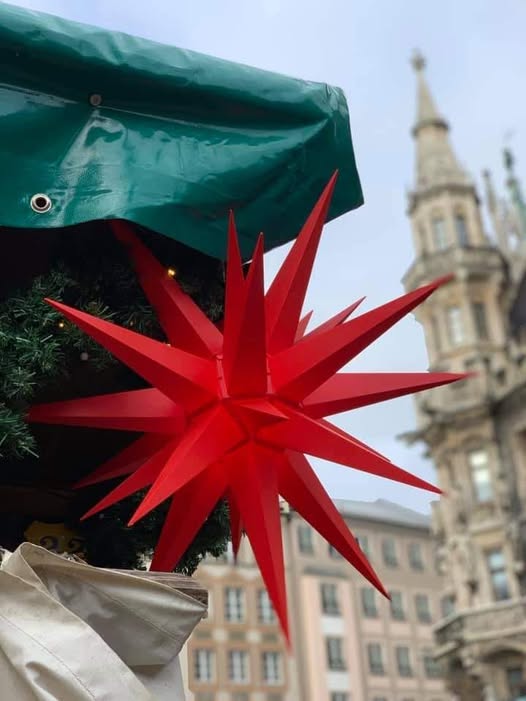
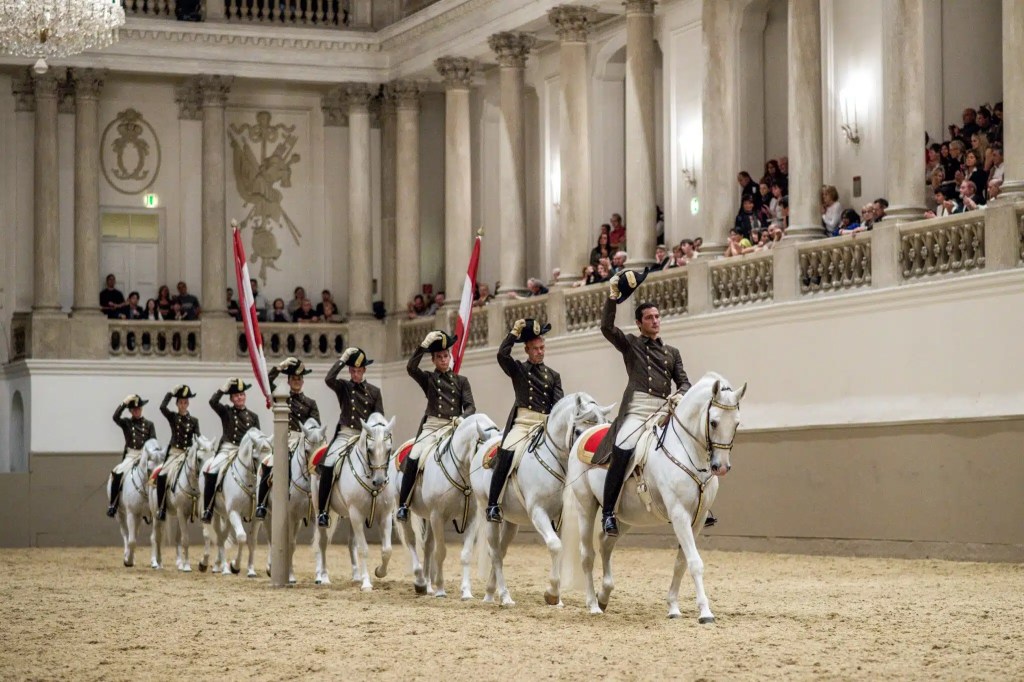
It isn’t safe to visit Bethlehem in December, so the next most Christmassy experience on Earth has to be the Christmas Markets in Germanic Europe. I took a week-long tour with Trafalgar and was hooked. The hotels were all of good quality and I stayed for several nights before the tour at The Hilton Vienna Danube and fulfilled a lifelong dream to watch the stallions at The Spanish Riding School perform.
Many of our ‘holiday’ traditions—from Advent calendars to Tannenbaum— originated in Germany. Protestant reformer Martin Luther is credited with being the first to put lights on the Christmas tree, for example, after a nighttime stroll through a German forest under a starry sky.
Day 1: Vienna
My Trafalgar Christmas Markets Tour kicks off in Vienna with a historical run-down on the German-speaking countries’ end-of-year markets. Straightaway, a thumbs-up to a tour where you frontload with context. Preserving the multi-sensory cultural practice of ‘Christkindlesmarkt’ in the centres of towns should be as important as shoring up mediaeval cathedrals and protecting Roman ruins.
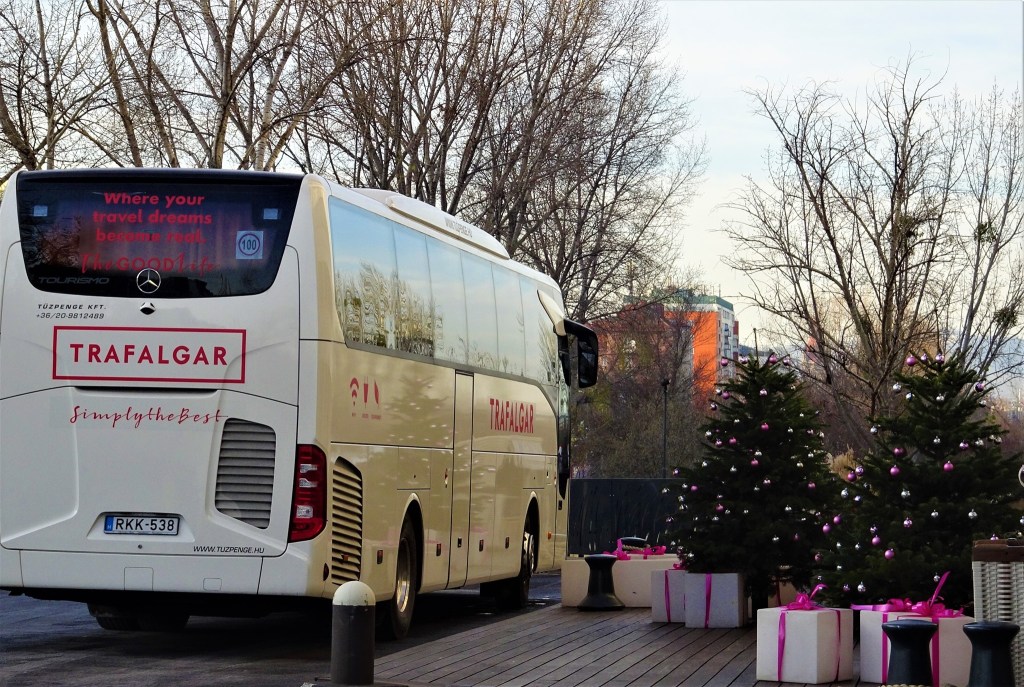
Christkindlesmarkt—a largely intangible experience of sound, smell, visuals, but also the physicality of people around you, started as a community event for stocking larders for the long, dark winter, our proudly German tour director, Arne Schmidt, explains. I look out over the Danube and for the first time in my life, understand the true spirit of the word ‘festive’.
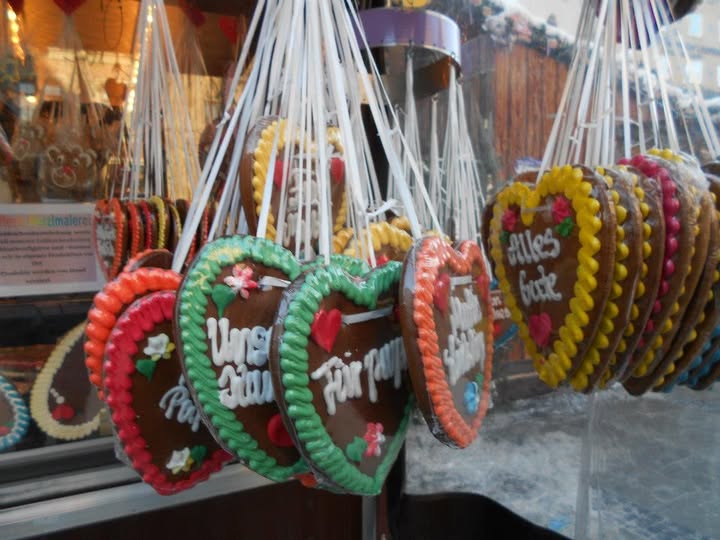
As early as the 14th Century, people living in scattered German communities within walking distance of a church square, would hold markets there for all religious feast days. A bit like the ubiquitous Australian sausage-sizzle and cake stall. The winter market was typically the biggest, with local artisans selling pottery, meat, baked goods, and maybe some sweets, if the sugar wasn’t too expensive. With each succeeding generation, the concept has been mutable to embrace the Zeitgeist, but always, Christmas Markets are underpinned with a strong German nationalism.
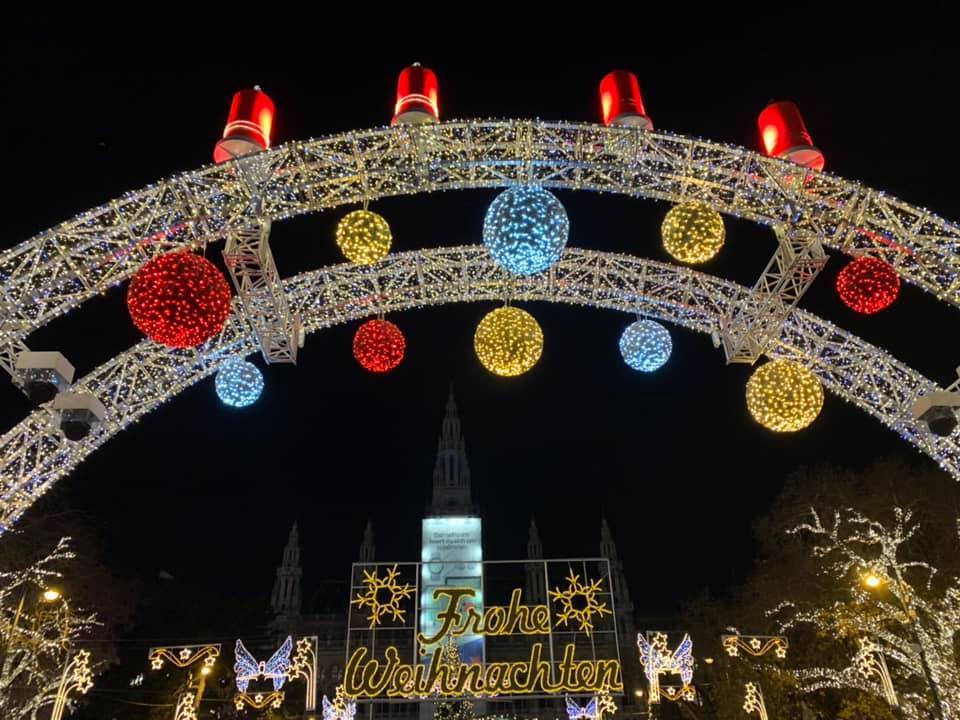
Some stall-holders accept plastic cards, but many embrace tradition and only trade in cash, Arne tells us. ‘Stock up on Euros. And Swiss Francs.’ He chuckles, probably with foreknowledge of the amount I’m destined to spend.
We pile on the coach for a drive around Vienna—the city of music, dreams and Sigmund Freud, steeped in history and culture; magically, the season’s first snowflakes fall.
We arrive to a red-carpet welcome before an emblematic dinner at Marchfelderhof Restaurant.
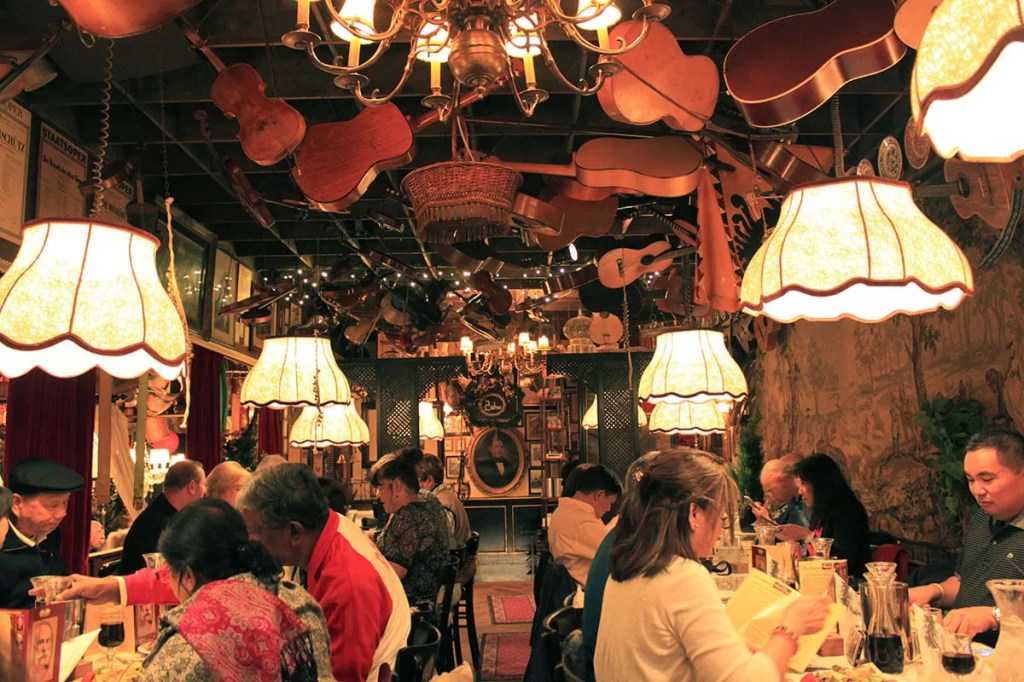
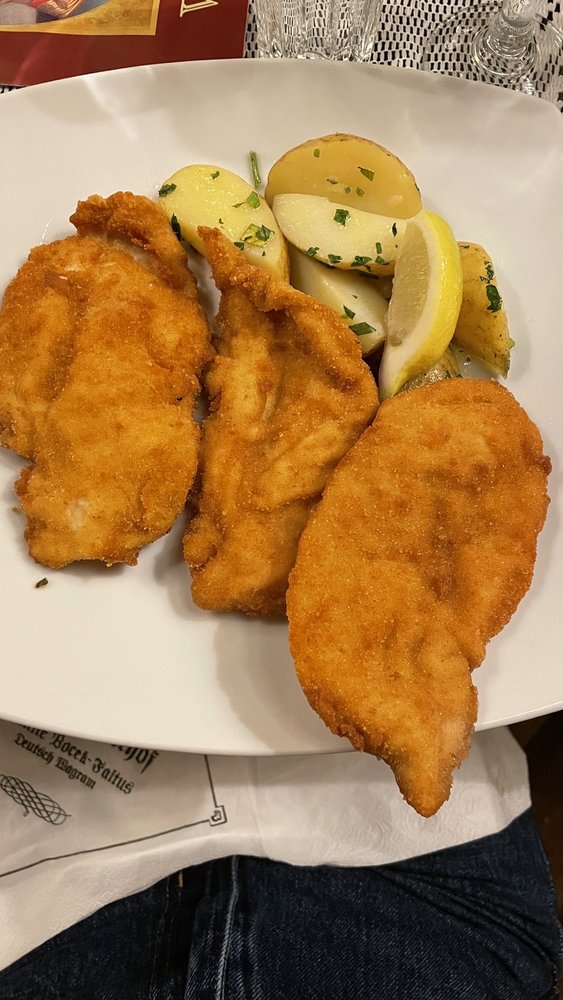
The restaurant décor is tangerine, labyrinthine, cluttered and chaotic, with violins, teacups and cherubs suspended above tables. Our group is quite diverse, in terms of age and nationality and we’re seated at a distance from the entrance. Maria-from-Michigan, and I-from-Brisbane get lost on the way back from the ladies’ room (which’s papered with pics of semi-naked men. My faves are labelled ‘Heinrich’ and ‘Gregor’). A wandering accordion-player and costumed fiddler follow us as we stumble in and out of other groups. They’re munching on Wiener Schnitzel, the golden-crumbed veal fillet perfected by the Viennese in the 1800s. Back at our table, we bliss out at the richness of dessert—Sacher Torte, possibly the most famous chocolate cake in the world.
Day 2: Vienna
We stroll through the city under leaden skies and admire the juxtaposition of mediaeval and modern architecture before we’re gathered at the artisanal Karlsplatz Advent Art Markets for the obligatory group photo. The air is redolent with that ‘chestnuts roasting over an open fire’ ambience. These markets are unique because everything is made by the stallholders themselves, Arne explains.
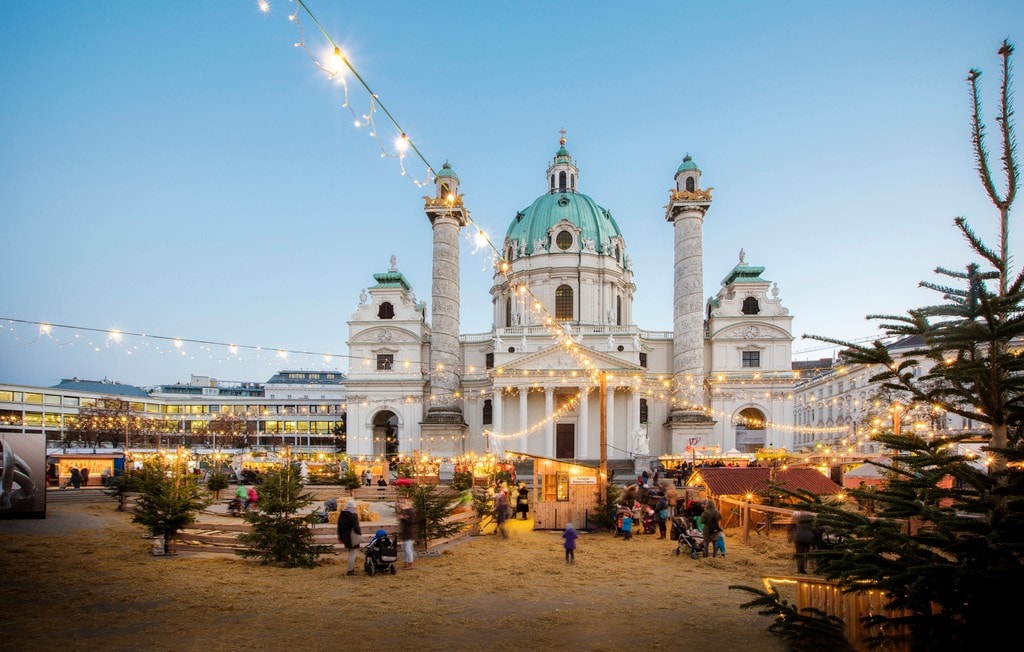
There’re nearly one hundred market chalets in Schönbrunn Palace’s forecourt, placed to not mar the building’s vista. There’s a village-like atmosphere resonating with chat, the clinking of mugs and the occasional squeal of a child on the merry-go-round. Appropriately, you can get Kaiserschmarren—shredded pancake with plum jam— a dish allegedly named after (and enjoyed) by Emperor Franz Josef.
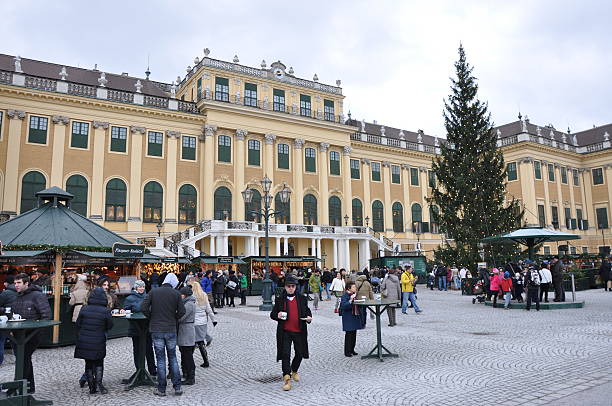
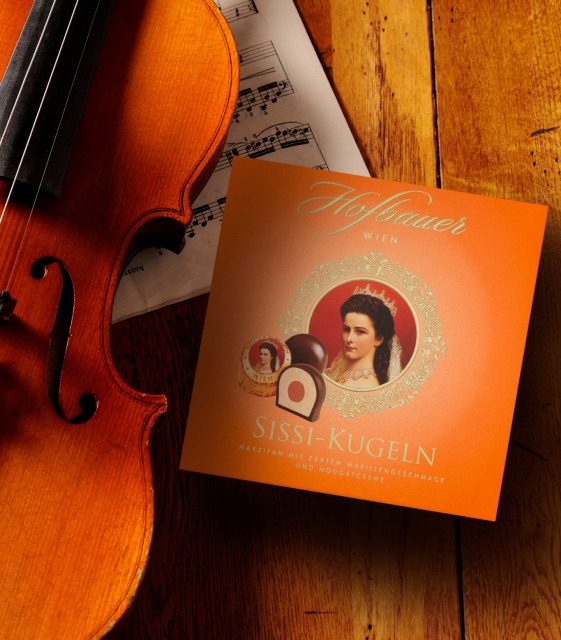
I only visit the markets quickly before joining my tour of the beautifully preserved royal residence, resplendent with Versailles-level Rococo bling. It is now UNESCO World Heritage listed, but was the home of the Hapsburg rulers, including the much-loved empress, ‘Sisi’, Franz-Josef’s wife. So loved was Sisi in fact, that ‘she has chocolate balls,’ the unintentionally ribald Arne’d said.I purchase a box of apricot marzipan treats with her picture on the lid at the gift shop.
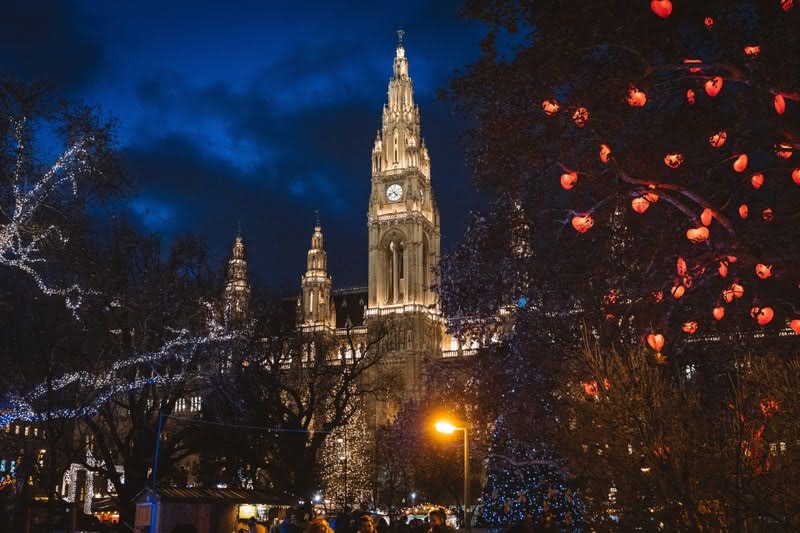
Despite pouring rain, the jostling market-vibe at night as locals come out to socialise at Vienna’s biggest Christmas Markets, at the Rathaus, is magic. It’s a foodie’s fairyland with twinkling lights, nativity displays, and even an ice-skating track winding through the park.
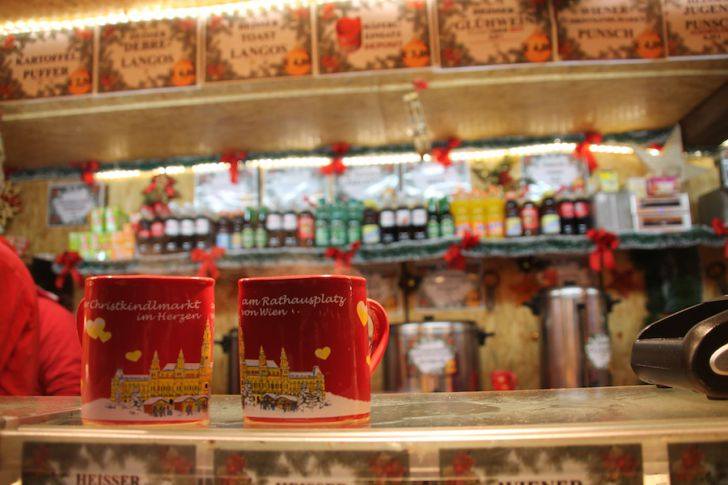
Sadly, the snow has turned to rain. I’m glad I rugged up warmly and that my coat and sturdy, cobblestone-gripping boots are waterproof as I consume an inexpensive warming goulash for dinner. I wash it down with hot rummy ‘Punsch’ and fragrant, spicy ‘Glühwein’. Each Market has its own mug-design, but when finished drinking, I return my ceramic mug and reclaim a few euros, rather than keep them as souvenirs of my gluttony.
We round out the evening culturally; listening to a live quartet do justice to quintessential Mozart and Strauss. The concert hall is beautiful but extremely hot and stuffy. Quite a few travellers in our group nod off.
Day 3: Vienna-Munich
We’re on the road early. There is a feeling of luxury on this tour because you don’t have to lug your own cases to and from the bus. Near the picture-perfect town of Mondsee, there’s a photo-opportunity at the onion-domed Collegiate Church of St. Michael (where Maria and Georg were wed in The Sound of Music).

In 2025, the town of Salzburg will celebrate the sixtieth anniversary of Sound of Music, and ‘exciting activities are planned’, our local guide, Collette, intimates. Were Mozart still alive, he could feel usurped as Salzburg’s most famous musical product. We recreate the scene of Maria and the Von Trapp-lets dancing around the Pegasus Fountain and jumping up and down the steps.
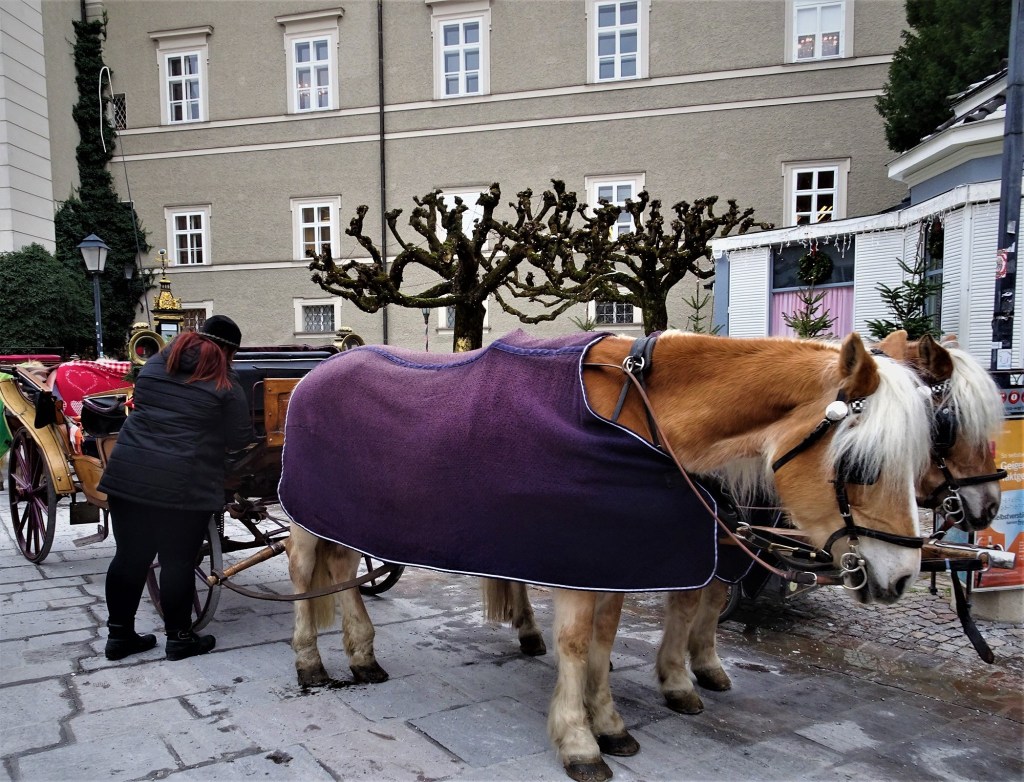
Cream-coloured Haflinger ponies hitched to quaint ‘Fiakers’ wait patiently outside Mozart’s ‘birth place’, where Collette talks about his poignant childhood and his sister, Nannerl, also a child prodigy and composer. The melodic chiming of bells and a few snowflakes falling from leaden skies lend a snowdome ambience.
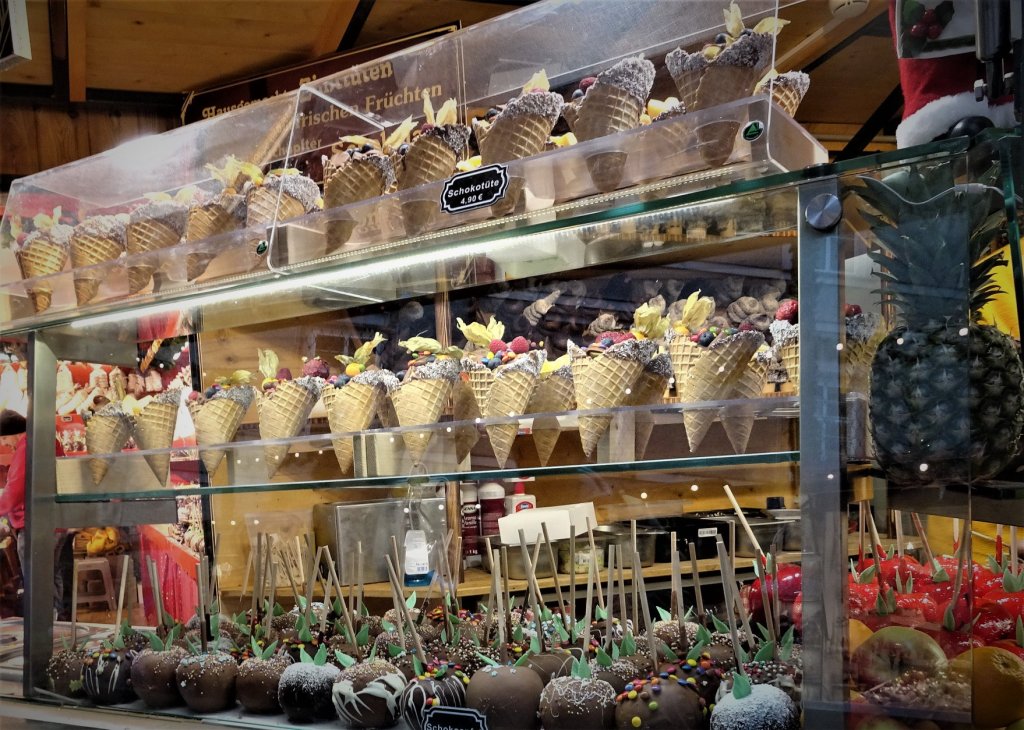
The Markets in Salzburg are apparently big on one or two nights only. This day, they’re small and quickly perused. ‘Silent Night’ was composed nearby, so the tune’s played, sung and piped through numerous speakers, and there’s an exclusive Glühwein mug for collectors. The chocolate-coated apples are a local feature.
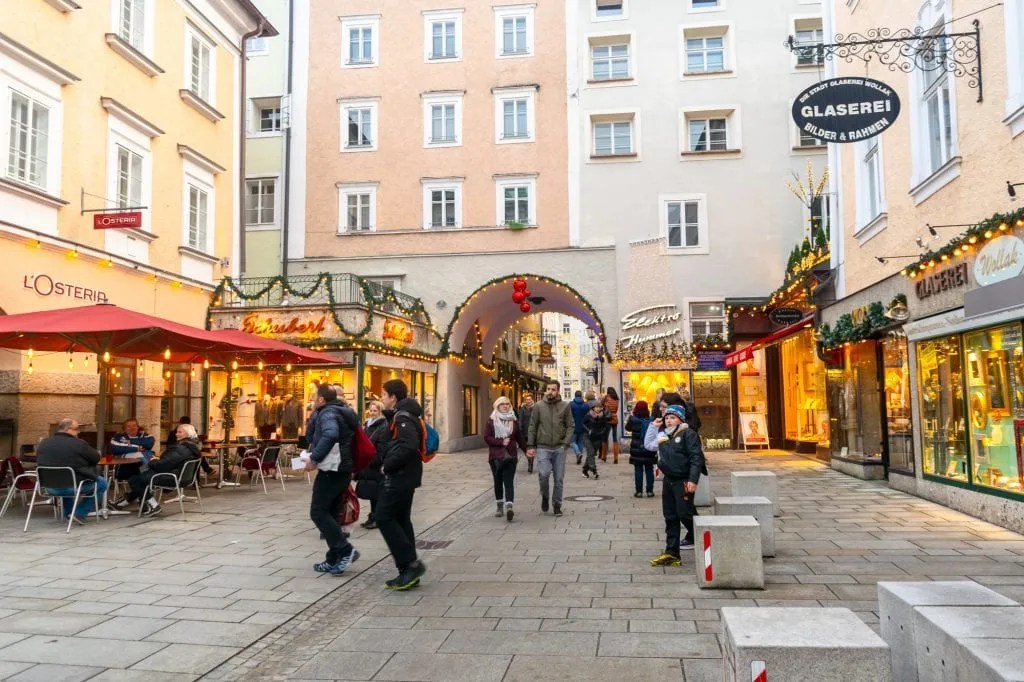
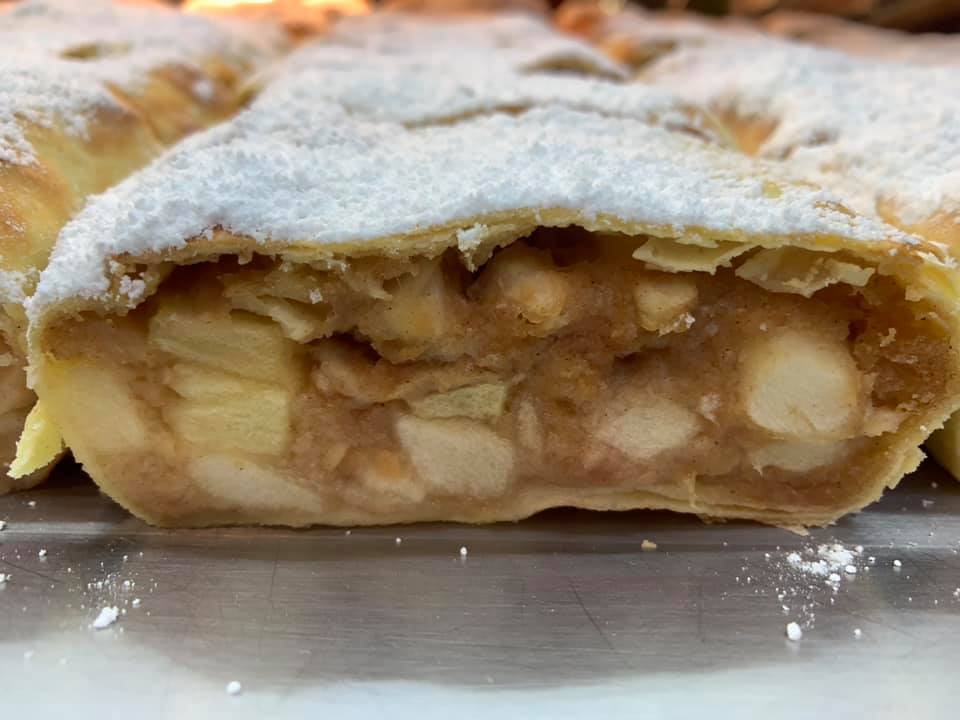
The Altstadt (Old Town), with its colourful buildings, charming clock towers, and pastel colours is worth a stop. Hot chocolate’s always an unmitigated delight–and when you can sip it on a cold winter day in Salzburg while tucked into a corner of Mozart’s favourite cafe, it’s even better. I succumb to a slice of signature crisp apple strudel which serves me well. I don’t need to go foraging for dinner when we reach Munich.
Day 4: Free Day—Munich
The Munich Rathaus, backdrop for the Marienplatz Markets, is famous for its Glockenspiel. Twinkling lights adorn the ubiquitous wooden huts, Beethoven’s Ode to Joy crackles from archaic speakers and boughs of holly hang from streetlamps. I pause midst the glitz to watch the figures rock around the famous clock, before catching Munich’s Christmas tram to investigate several other markets.
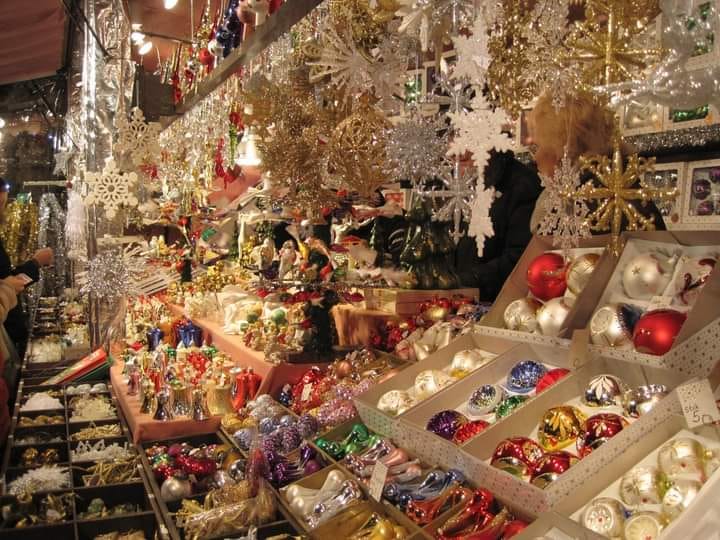
The hot toddies at The Mediaeval Market come in clay goblets and stallholders are dressed thematically. In Stephanplatz, at the small, pink and glittery Gay Pride Markets, Krampus, a German Christmas ogre who snatches naughty children, plies me with pink lollies. A variation on the Gluhwein theme in Munich is Eir (egg) Punsch. It has rum in it and goes down far too easily.

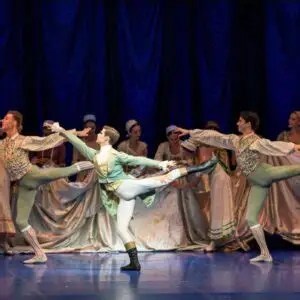
I skip the evening optional: dinner at a beerhall. Instead, I meet a German friend who takes me to the Bavarian State Ballet for a truly professional performance of Midsummer Night’s Dream.
Day 5: Munich—Oberammergau—Innsbruck
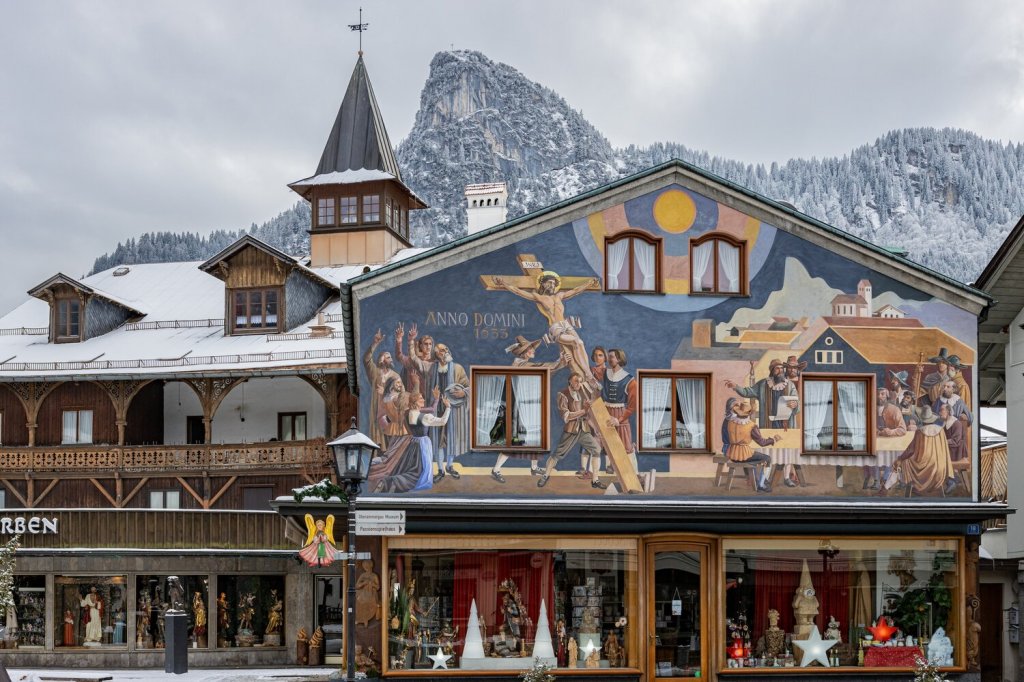
The small town of Oberammergau, nestled high in the Bavarian Alps, is famous for its woodcarvers, for its NATO School, its elaborately painted buildings (Lüftlmalerei Frescoes) and for its 380-year tradition of decennial Passion Plays. There’s a sense of it being frozen in time; modern life meeting the traditional.
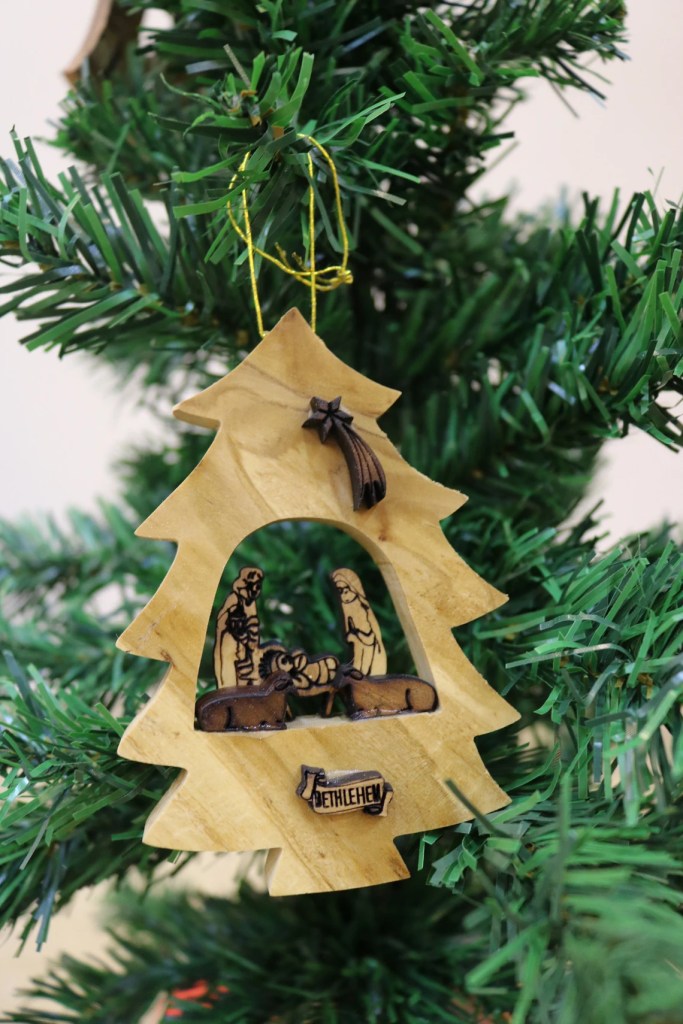
I visit (for free) the Pilatushaus and see a skilled woodcarver bring to life a small horse figurine with wood sourced from the surrounding forests, and other artists creating beautiful drums, stained glass and pottery. I can’t resist buying a wooden nativity ornament with ‘Bethlehem’ on it, because I won’t get to the real Christmas Central.
The Tyrol is a jutty bit of Austria surrounded by Italy, Germany and Switzerland. I tell Arne that I will be giving the traditional Tyrolean dinner a miss because I’m allergic to pork, the much-touted main menu item being wild-caught boar. ‘You could have the vegetarian option …and there’re men in Lederhosen,’ he snickers. “Yeah? No.’
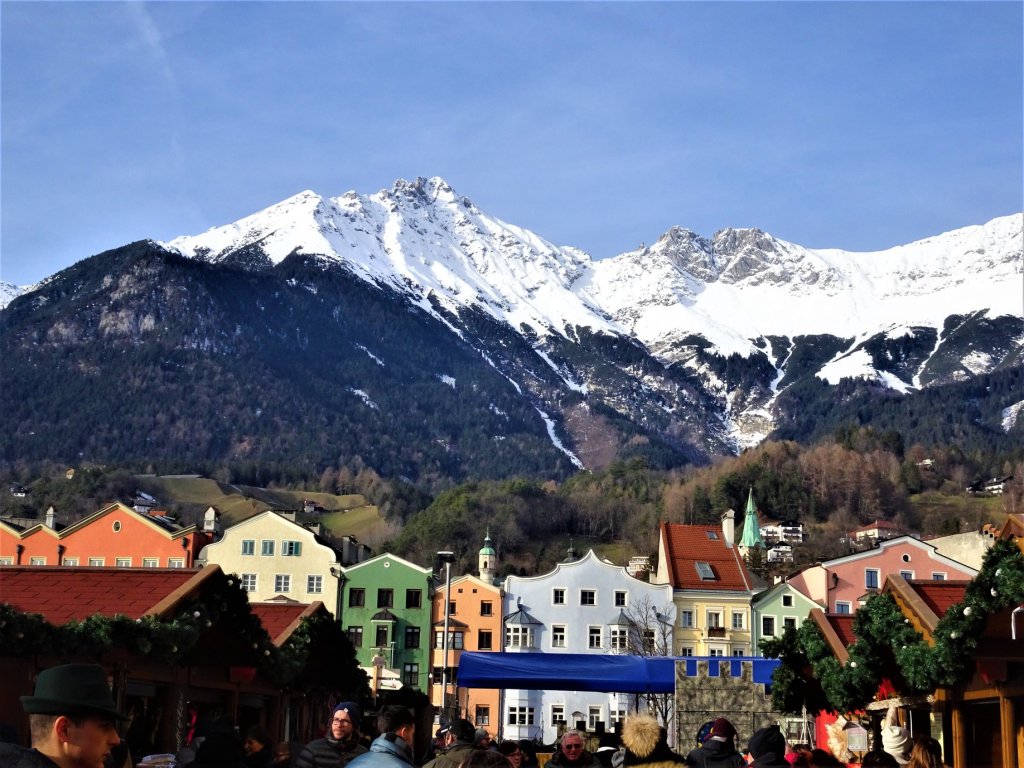
The sun has appeared briefly and I wander the streets soaking up the ambience of the markets, practising my German and imagining that it probably hasn’t changed a lot since Johanna Spyri brought Heidi to life in my imagination. Heidi used to come down to Innsbruck to visit her friend, Clara.
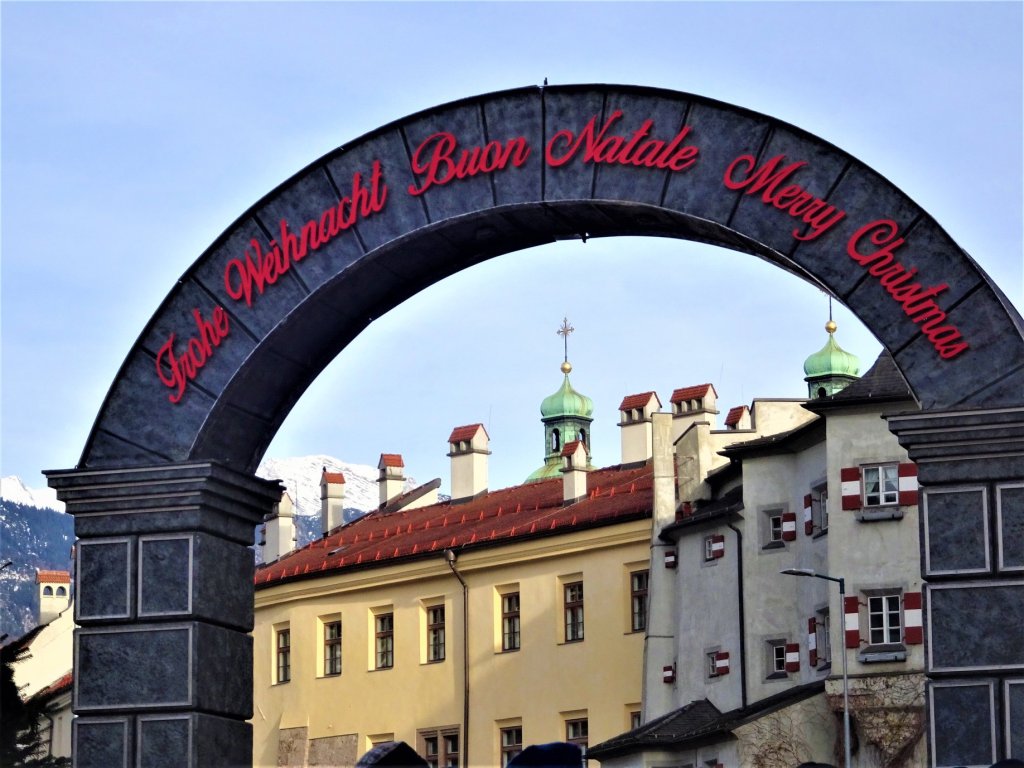
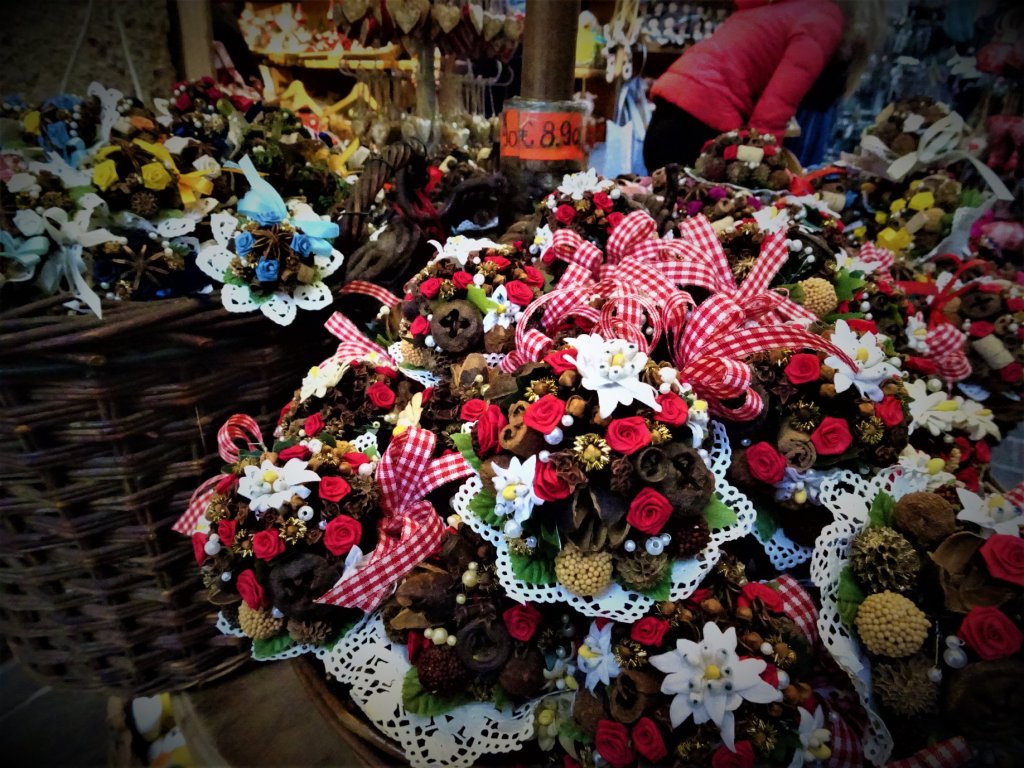
These days, Innsbruck, in the heart of the Tyrol, is the home of Swarovski crystals, and the Markets feature a tree made of thousands of them. It can’t compete with the natural backdrop of the Alps. Imagine evening descending as you sip Glühwein or hot chocolate with rum, and chew on real stollen at a Market table, the River Inn on one side, and Tyrolean bouquets featuring Edelweiss on the other. Now that’s a Tyrolean dinner! And at least there are dolls in Lederhosen.
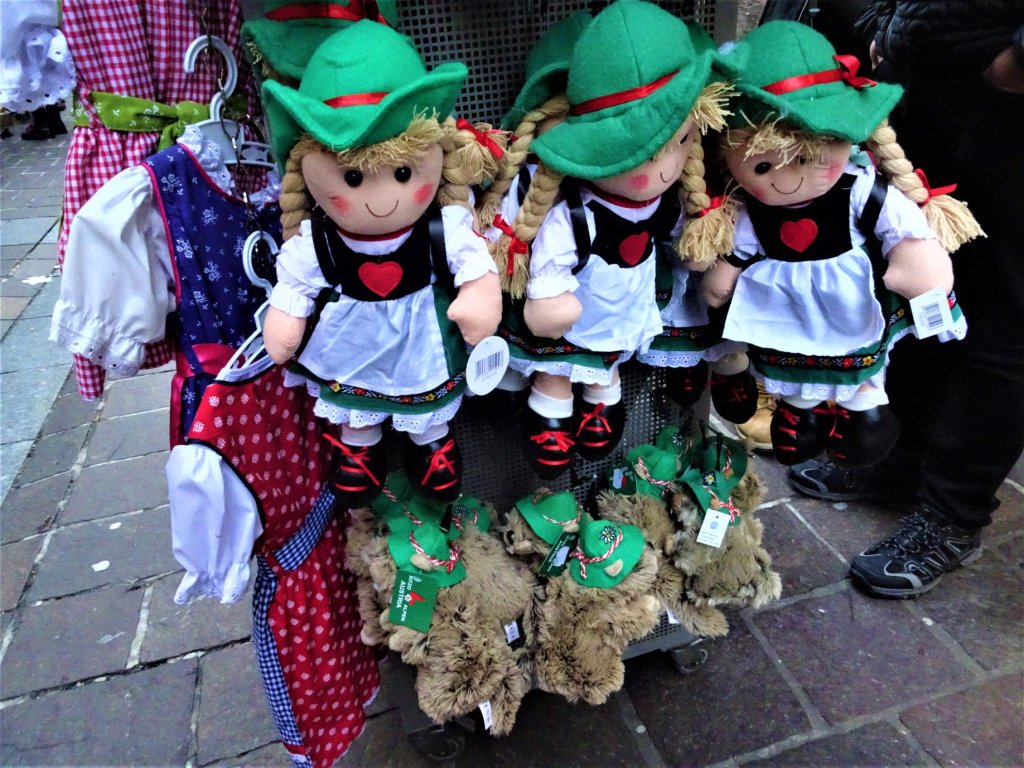
The spicy, doughnutty aroma I’ve started to associate with Markets is overlaid with the oily one of Kartoffelspeisen (twisty skewered fried potatoes) and Tyrolean sausages. The heaving market stall nearest my table is doing a roaring trade in ‘Austrian-not-Australian’ kangaroo skins sporting green Bavarian fedoras and Chinese-made dolls in dirndl skirts and green Lederhosen. I buy a snowglobe; at least they were invented in Austria.
Day 6: Innsbruck—Lucerne
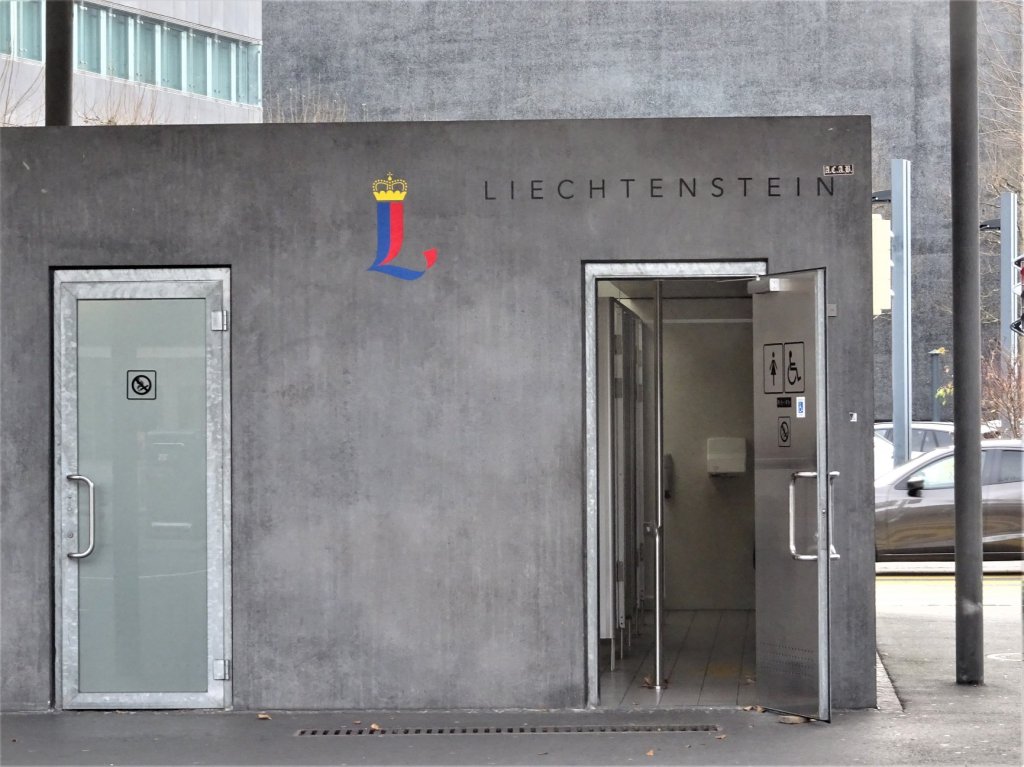
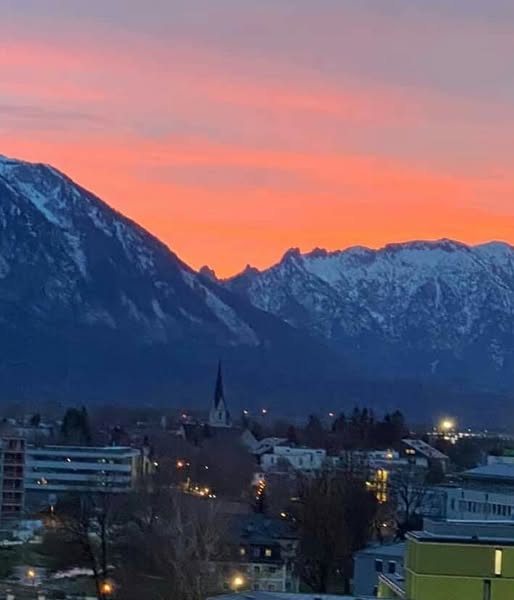
The sun rises dramatically tangerining the sky as we leave Innsbruck. In Vaduz, capital of Lichtenstein, snapping a selfy next to the amenities’ block proves I’ve been to the tiny country. There’s nought else to do but sip coffee in the mall and contemplate the castle high on a nearby crag.
From the front of the coach as we leave Lichtenstein and enter Switzerland, the landscape is green and neat. It’s like driving into a perfect Lego or model-train set.
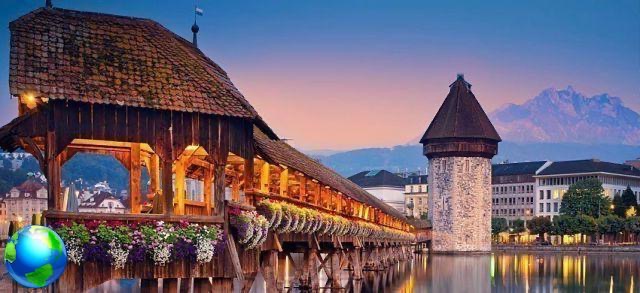
Lucerne, with its covered Chapel Bridge over the River Reuss is irresistible lit up by fairy lights. The market here’s twisty and deceptive. Just when you think you’ve seen everything, wait—there’s more! Find yourself some fondue or raclettes (melted Swiss cheese) or eat some incredible Swiss chocolate.
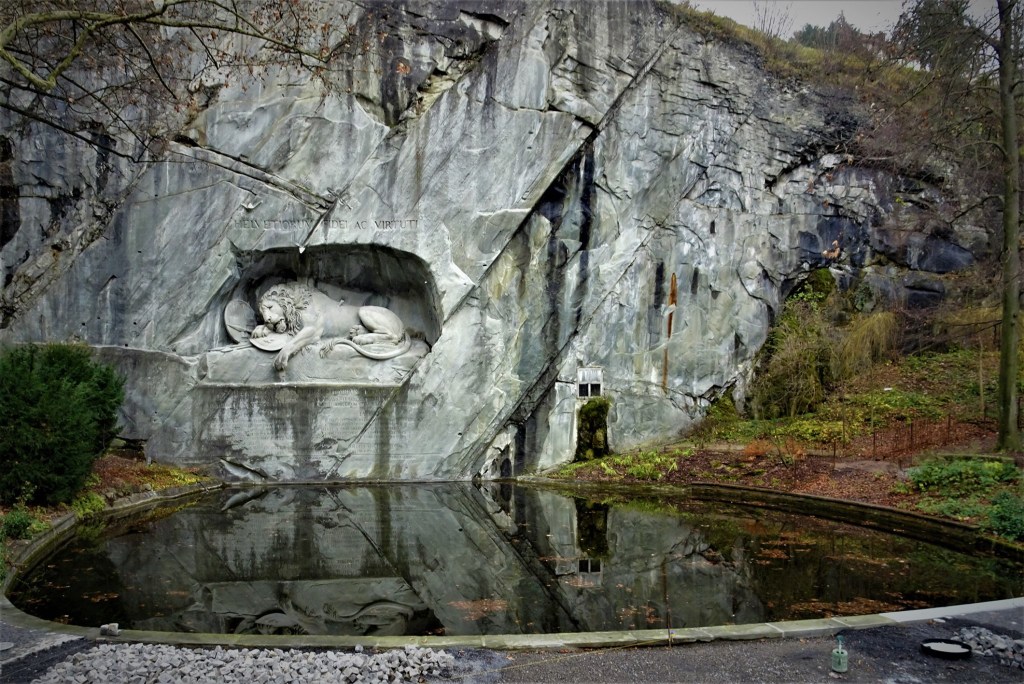
We visit the stunning Lion Monument to the Swiss Guards carved into the wall of a former quarry. Mark Twain described it as ‘the most mournful and moving piece of stone in the world’. He nailed the vibe!
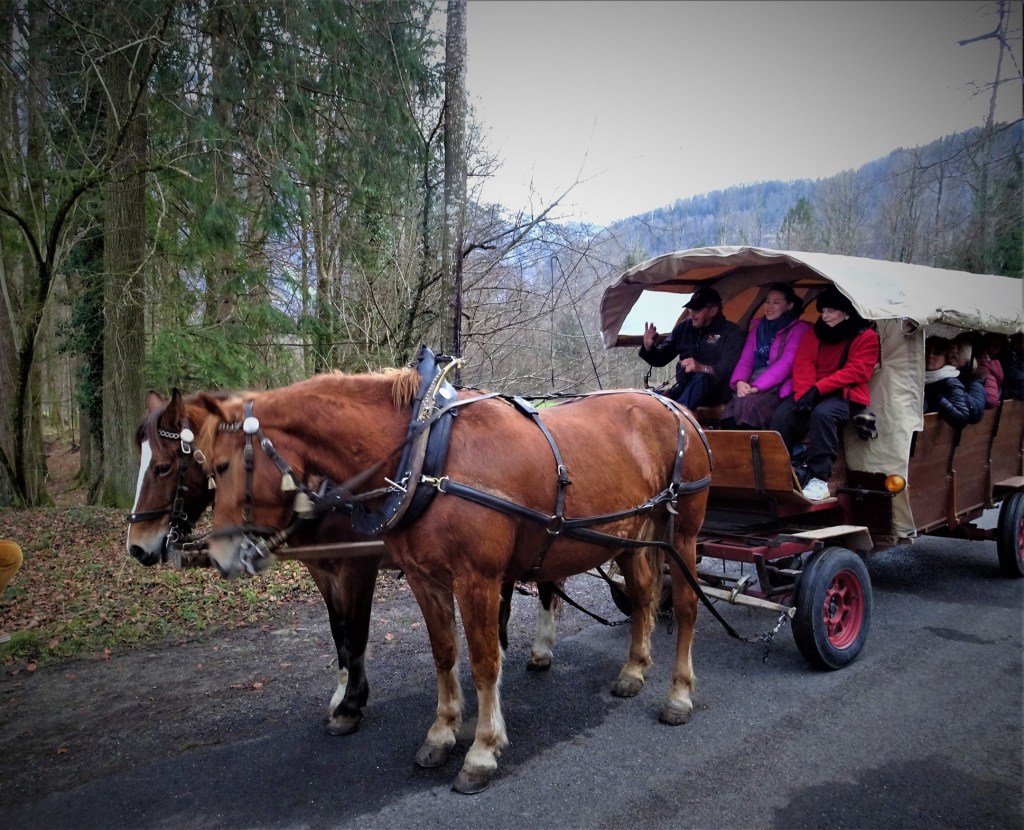
The highlight of the optional activities on the tour is a carriage-ride through rustic Swiss countryside with neatly scattered wooden houses. I dust off my long-unused German 101 and remark to Hans, our carriage-driver, that it reminds me of a Heidi picture-book I had as a child.
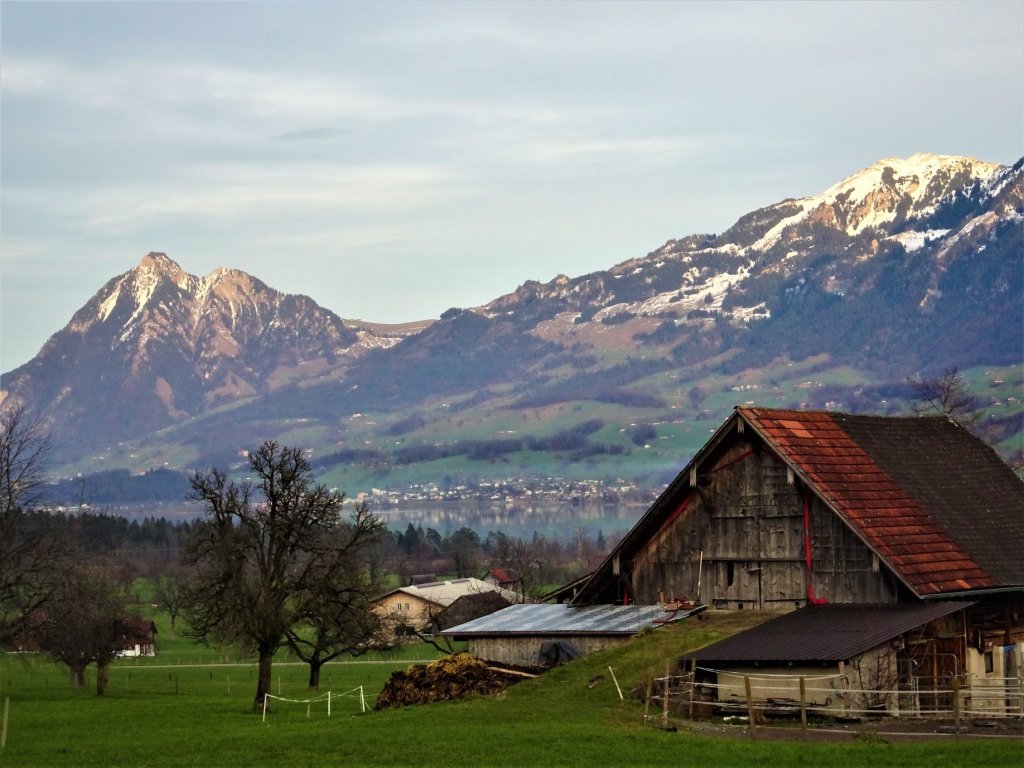
‘Get with it!’ he replies in English. ‘Everyone now says it’s like a Disney movie.’
Day 7: Lucerne
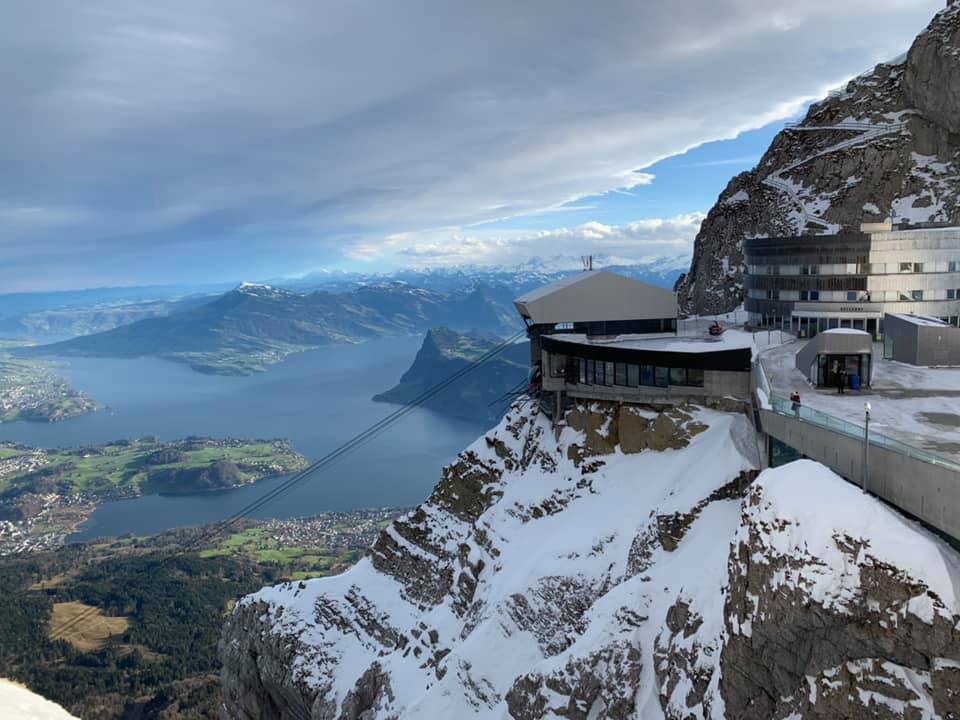
Legend tells of dragons landing on Pilatus, a mountain composed of several peaks – best taken in via the world’s steepest cableway. We wander the summit enjoying feeling like the only people on an isolated planet.
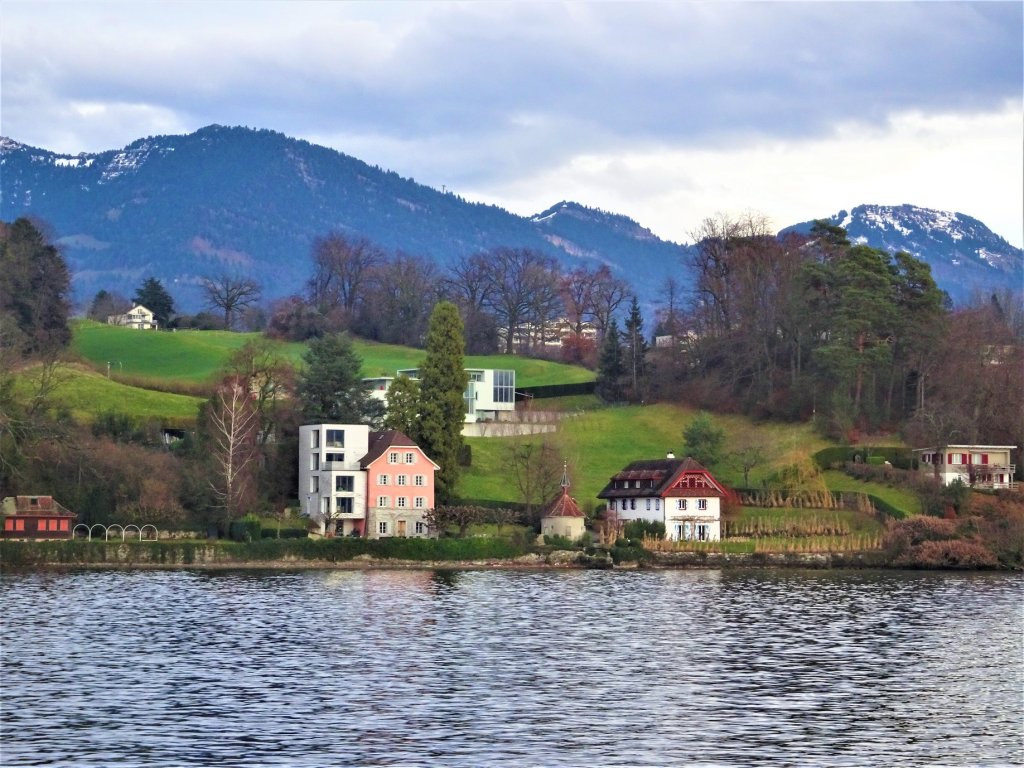
The afternoon panoramic cruise on grey and glassy Lake Lucerne is both serene and surreal. We glide past understated waterfront mansions and a statue of Jesus with his arms out in benediction. It’s cold on deck, but a fitting way to conclude the tour. I’ve gained too many kilos both personally and in my knick-knack-stuffed case, but the ‘gram-worthy Christmas photos and the joy of Christmas in Europe are, memory-wise (queue Julie Andrews) two of my favourite things.
Day 8: Transfer to Zurich Airport
Ritualised Germanic culture, involving lederhosen or dirndls, wild-caught boar and drinking from beer steins, deep-freezes and commercialises culture, and kills it. The intangible culture of the Christmas Market is a vibrant expression which will continue to change and lure culture-lovers long into the future. Maybe, next time, I’ll souvenir my Glüwein mugs.
The Writer travelled on Trafalgar Tours 8-Day Christmas Markets Tour at her own expense.
I wish you a:
 Margaret R Kelly
Leave a comment