It doesn’t seem to be common knowledge that since 2024, but only until the 31st December, 2026, tourists travelling on an Australian passport can spend up to thirty days in China without a visa.
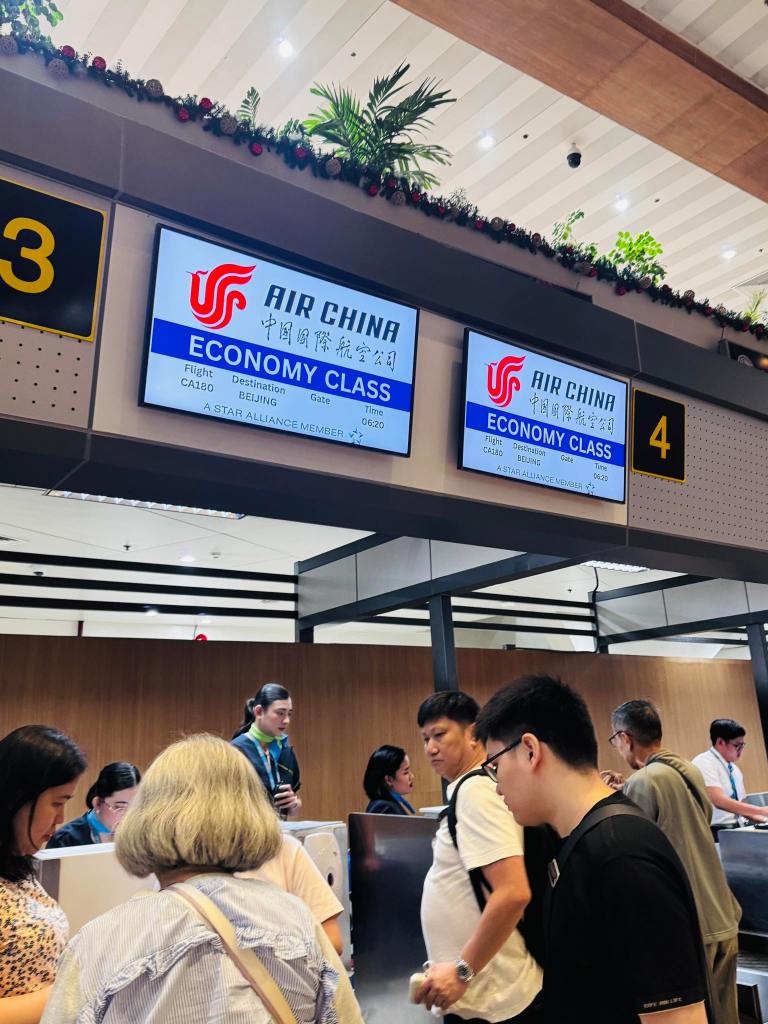
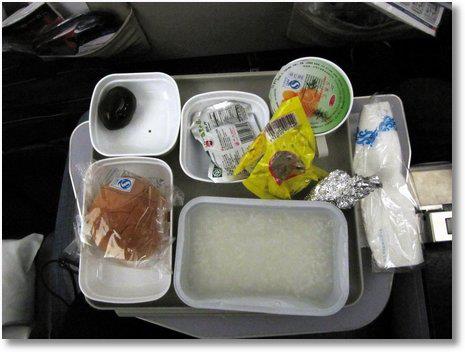
We were in Beijing in early December. By surviving flights with Air China, travelling with lots of people toting rice cookers purchased in Sydney, we save almost the cost of our three-night stopover compared with the cost of flying to Munich more comfortably with QANTAS. I wouldn’t recommend the Air China experience to Australians under normal circumstances because of lack of leg room, hot bottled drinking water, and staff who do not have sufficient English to explain the menu items, but it was worth the sacrifices.
Our travel agent suggested Wendy Wu’s Beijing in Focus package (https://www.wendywutours.com.au/china/tours/beijing-in-focus.htm) for our stopover and we couldn’t have been happier. We’ve our own guide, ‘Kelly’ and our own minibus driver, ‘Richard’, who speaks no English whatsoever beyond ‘hello’ and ‘thank you’ when we give him his tip at the airport as we are leaving. Dangling and suction-on Buddha, Jesus and Mao Zedong good-luck charms bristle in great profusion from behind his rearview mirror. They must work because we have no accidents or near-accidents during our four days at his mercy. He wears a Mao fur-flapped hat, as do most older men. Apparently, Mao Zedong means “hatmaker” so there is a huge collection of styles of Mao hats.
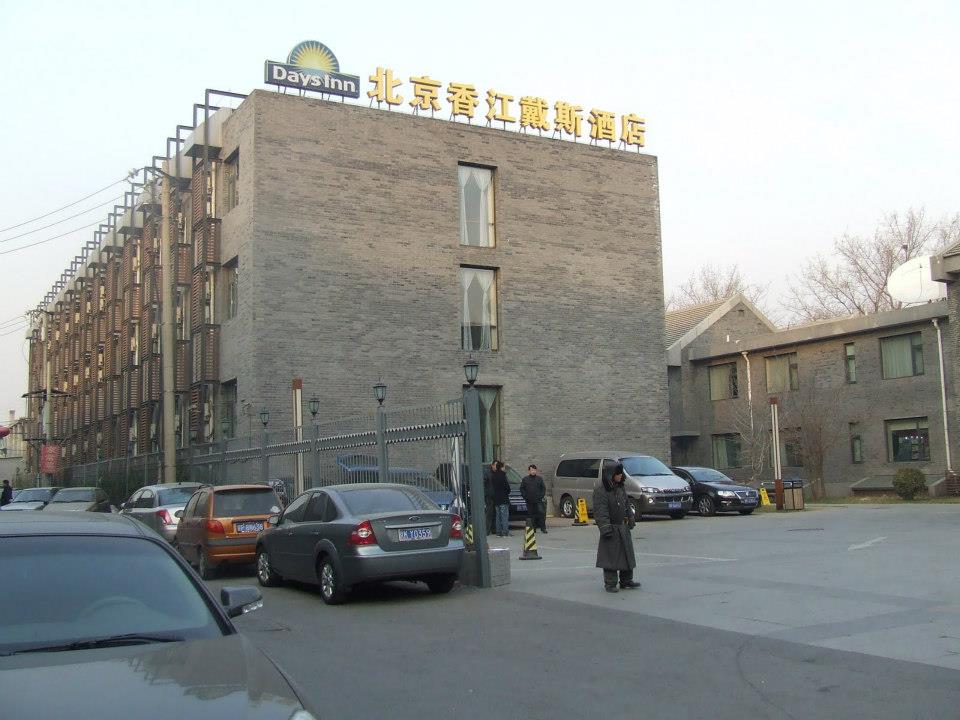
There were three price levels when we booked the package, depending on whether you stayed in a 2-, 3-, or 4-star hotel. We went for the cheapest option and stay at the recently refurbished Days Inn, Forbidden City. Richard and Kelly meet us at the airport and drop us there for an early check-in. The beds are quite hard and the decorations are sparse, but it is adequate and clean and in a perfect location. We are amazed that most of the cars are not like the ones exported to Australia. Lots of replica BMWs and Mercedes.
The connectivity of the wifi is patchy, but that could be because our room is in the annexe building and quite a yomp from the modem. China has a countrywide firewall which prevents access to G-mail or to Facebook. I’m able to use my Department of Education email, but not a lot else. Telstra International Roaming is available in China but access to sites is similarly blocked.
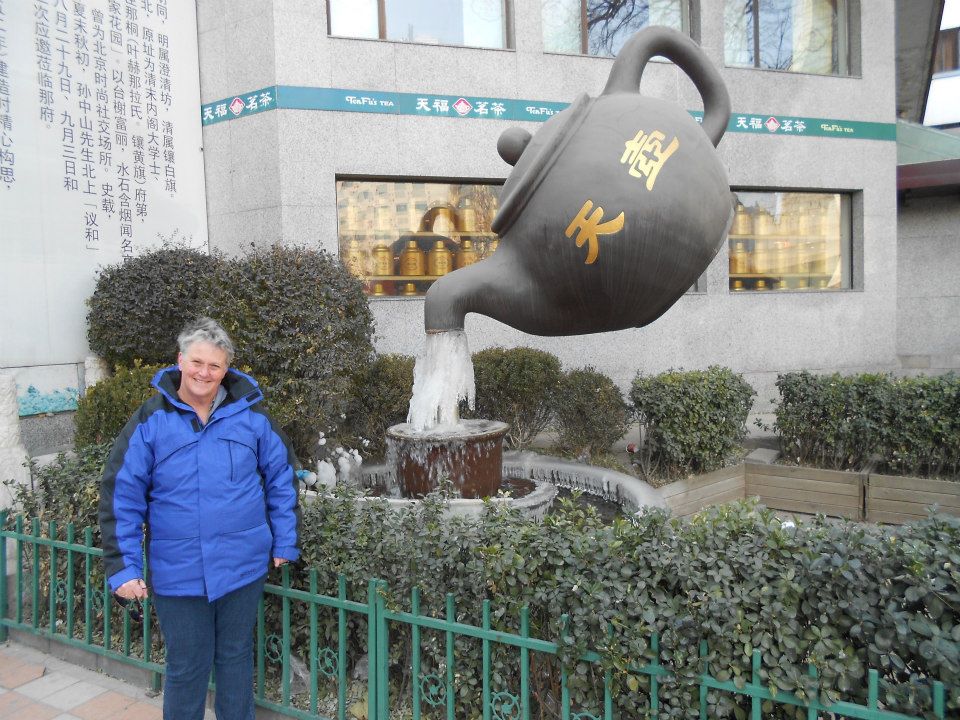
While there are vending machines in the hotel, you should also take your own teabags or instant coffee to China. There are no teamaking facilities in our room, although there’s a pot of boiled water on the writing desk, emergency condoms – two different sorts, razors and toothbrushes. We can’t source a decent cuppa for all the tea in China. Except for Maccas in Waifujung, there are noticeably no coffee shops in the area round the hotel. We find a tea shop, marked by a frozen teapot fountain out the front, but disappointingly, it’s a traditional tea-ceremony shop and outrageously expensive. Exploring the streets around the hotel and their Christmas decorations, is otherwise a delightful cultural experience.
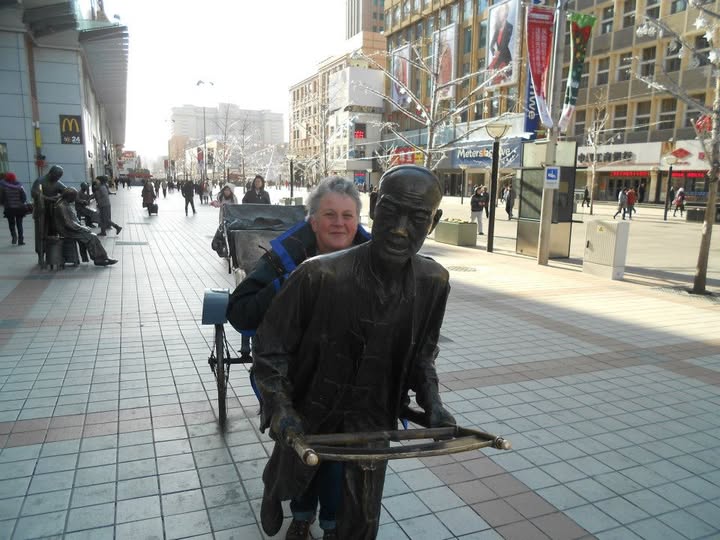
I suggest that if you’re planning a December trip, you pack your long johns and jacket. The temperature does not rise to Zero during the whole four days.
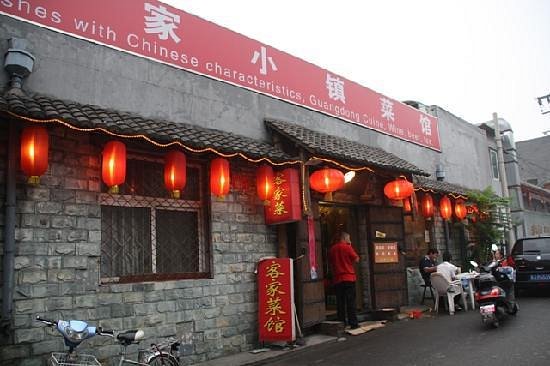
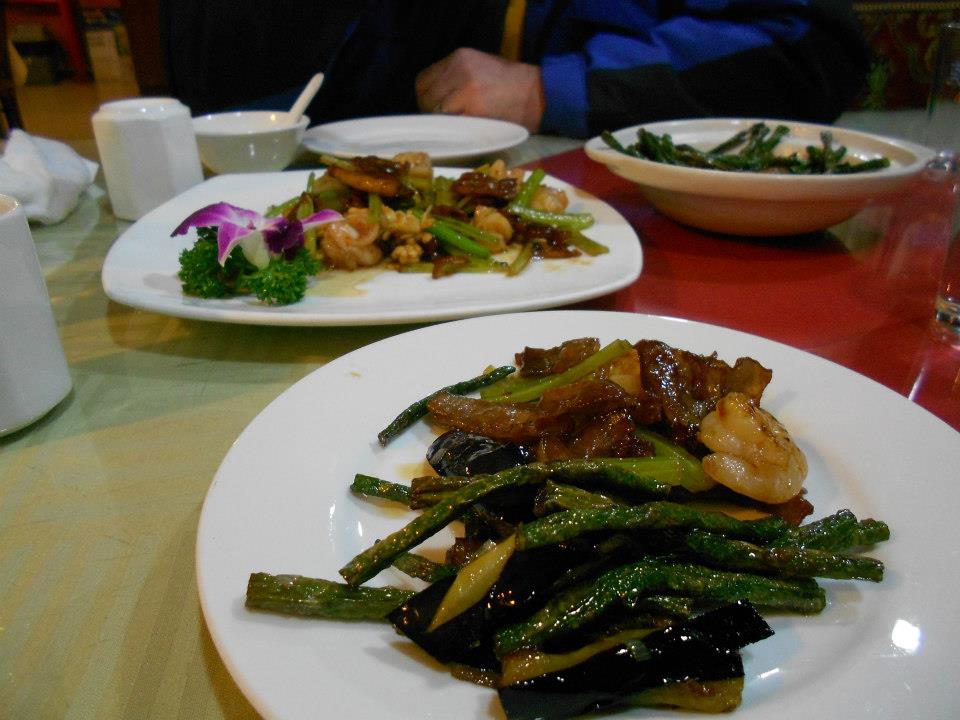
Foodwise, I can thoroughly recommend the little ma-and-pa’ restaurant across the street from the hotel. The food, despite including a few alarming translations (eg. ‘donkey’s dick, sum yum chick, roasted cow husband on the side ) is superb and probably authentic. We have a multicourse meal for two on our second and third nights, including drinks, for the equivalent of about $12 each. I try ‘Lulu’ at the waitress’ suggestion. It’s a sort of almond milk and very refreshing.
Days Inn is within walking distance of several main attractions and also the Waifujung Shopping Precinct and the Guije food street, renowned for its vibrant atmosphere and diverse gastronomic offerings (Photo is courtesy of Tourism China).
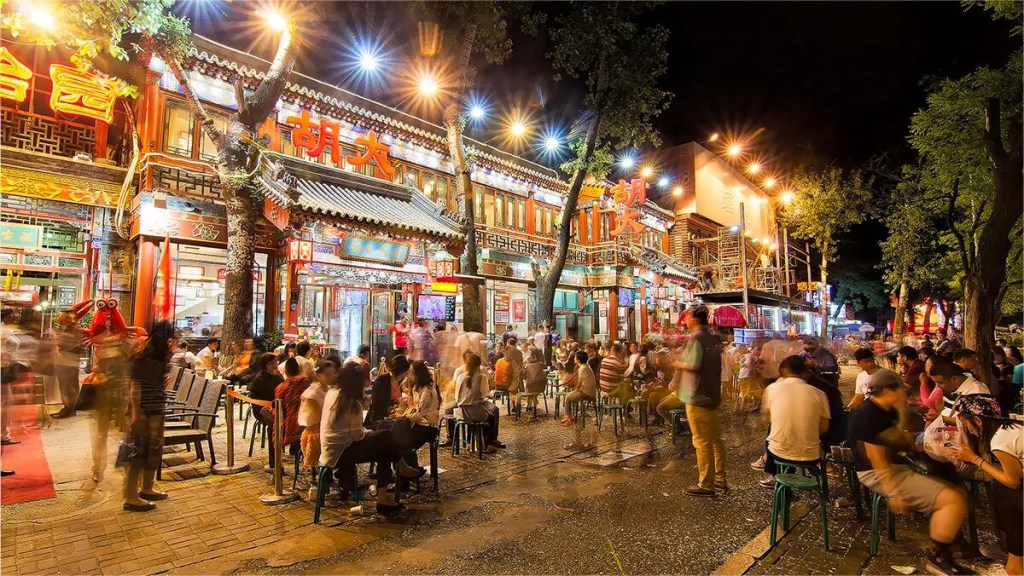
From Peking duck, hot pot, and dumplings, to spicy Sichuan cuisine and traditional Beijing snacks, visitors can indulge in a gastronomic adventure, but it is considerably more pricey than the smaller non-touristy areas. Interestingly, even though the city’s name was changed to Beijing (meaning ‘northern capital’), Peking Duck and Peking Women’s Hospital retain the old names. It’s bitterly cold, so the street isn’t quite as crowded as we had feared. Many stalls only accept cash, but the Bank of China ATM at 57 Wangfujin Avenue accepts overseas cards and has instructions in English.
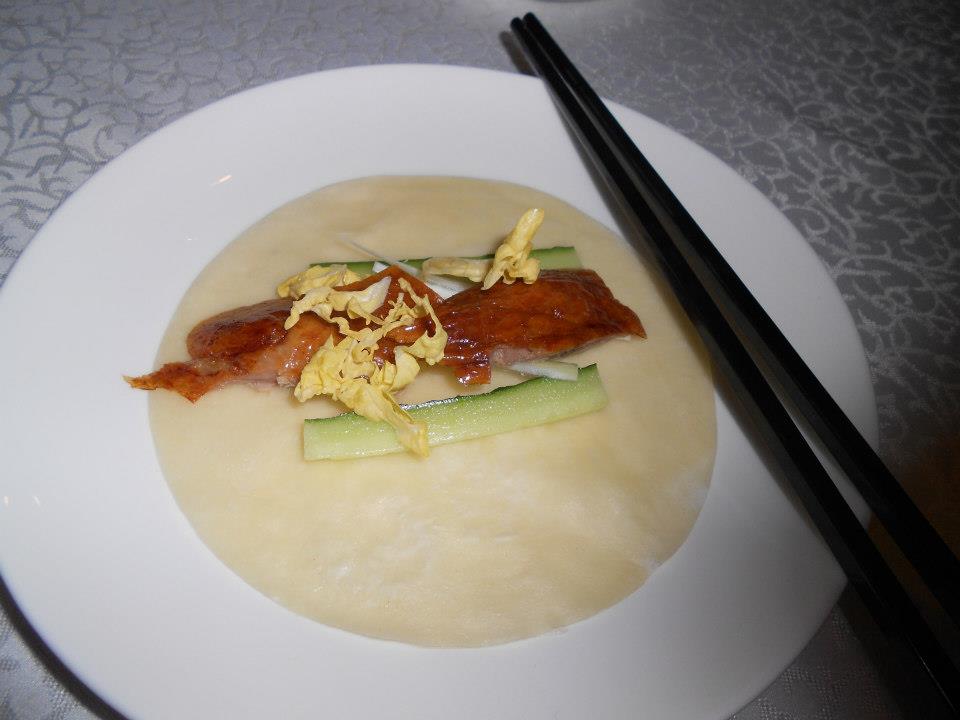
At the suggestion of the desk clerk we walk there on our first afternoon/night and turn into a restaurant specialising in Peking Duck, which is delicious—soft and wrapped in little pancakes. It is slightly off-putting, however, to have to choose our duck from the carcasses hanging in the window. If we’d wanted fish, crab or newt, there’s an enormous tank filled with live specimens from which to select. Wheat and buckwheat noodles are much more common accompaniments than rice.
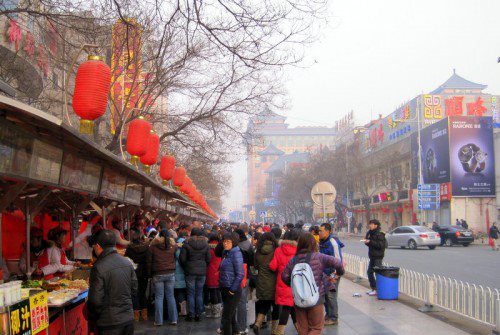
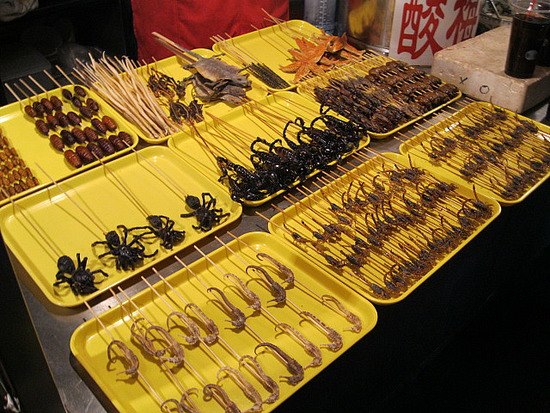
Between the hotel and Waifujung, opposite the APA Shopping Centre, at night, we pass through Donghuamen, which is a row of bicycle stalls where you can buy not just the usual fried noodles, fish, shrimp etc, but all sorts of animal body parts, starfish, snakes, seahorses arachnids and insects on sticks. The stalls are set up from about 4pm, mainly as a tourist attraction. Be aware that the very loud vendors do not like you taking photos unless you’ve paid for the goods. There is quite a good souvenir section down a side street.
The next morning, Kelly collects us and we walk to Tiananmen Square which is to be our first stop in two days of sightseeing. The place at which Mao symbolically declared the People’s Republic of China in 1949, it covers over 44 hectares and is the largest city square in China and one of the largest public squares in the world.
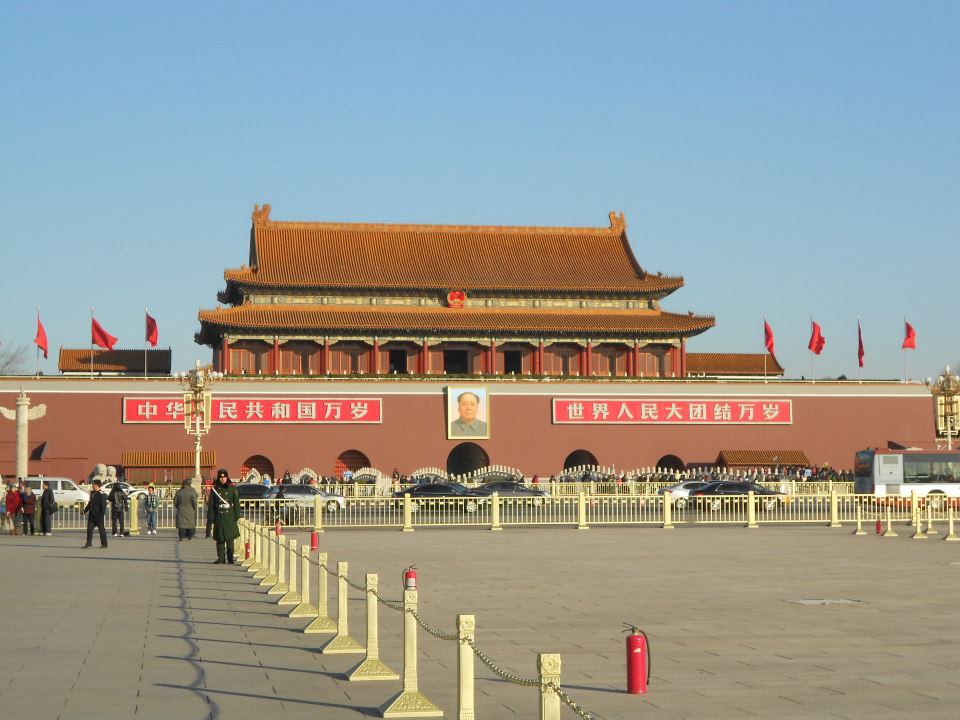
Entering Tiananmen Square, you can’t help but see the Monument to the People’s Heroes, an obelisk shaped commemoration to remember those who’ve served the People’s Republic of China.
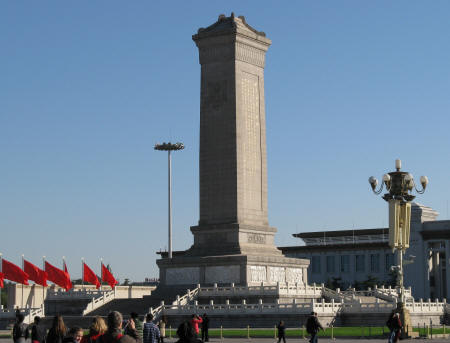
Just south of this monument stands the Mausoleum of Mao Zedong which of course, has contained his remains in a refrigerated glass casket since he died in 1976. Unfortunately, if we’d wanted to see Mao’s corpse, we’d come on the wrong day. The Mausoleum, like Chinese restaurants in Australia, is closed on Mondays. On other days of the week, long queues of people wishing to pay their respects, snake around the square.
Although revered by many, Mao’s legacy is complicated, to say the least. To some, he is a political genius and military mastermind. To others, he’s a genocidal maniac who caused the deaths of millions and whose efforts to eradicate traditional Chinese culture were tantamount to self-sabotage. Kelly is fiercely loyal to her government, especially when we ask about the massacre in Tiananmen Square in 1989. It’s one of the things she’s not permitted to discuss.
To the south of Tiananmen, stands Qianmen Gate which dates back to the Ming Dynasty and is the original gate into Beijing. To the west of Tiananmen stands the Great Hall of the People, the meeting place of the National People’s Congress (Chinese parliament) and the host for many special political events. To the east stands the National Museum of China which houses an array of artefacts and cultural relics from China’s extensive history. I would have loved the time to visit that. To the north stands the Forbidden City, probably the most famous neighbour of Tiananmen. The north gate, built in 1415, is the original namesake for the square. Tianenmen (天安门) means the “Gate of Heavenly Safety/Peace”.
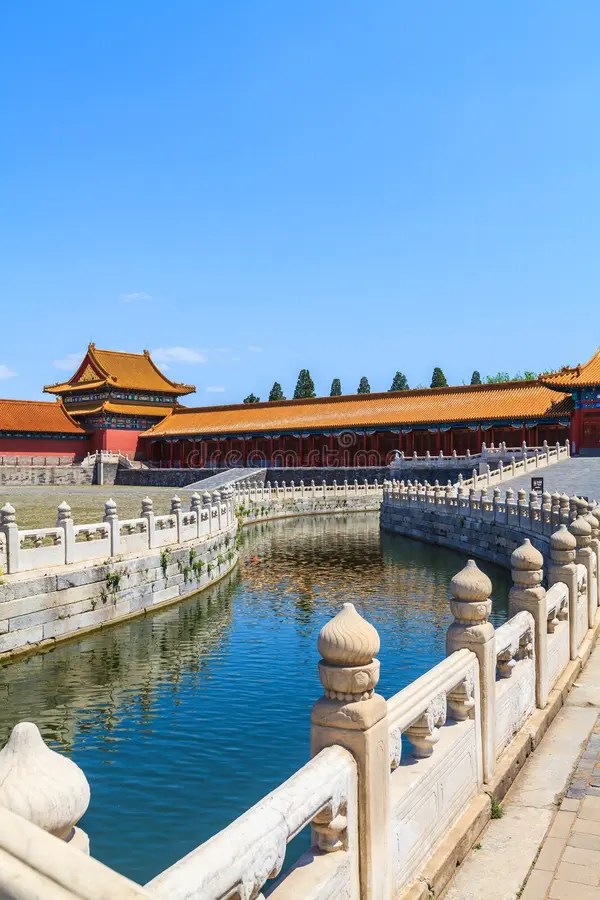
The Forbidden City was the former residence of the Ming and Qing Emperors and their harems. There are seven bridges over the moat (“Golden River’) going into the Forbidden City. Only the emperor was allowed to use the middle one and then his main wife used the next two and everyone else used the others. We officially become two—or three including Kelly— of the 300,000 people who are allowed inside the Forbidden City each day. There’s another square, flanked by administrative buildings, and then another gateway with a wooden ‘doorsill’. It represents the boundary between Yin and Yang and you mustn’t step on it. Men put their left foot over the sill first and women their right. Foreigners not aware of this rule, pour past us in their puffer jackets.
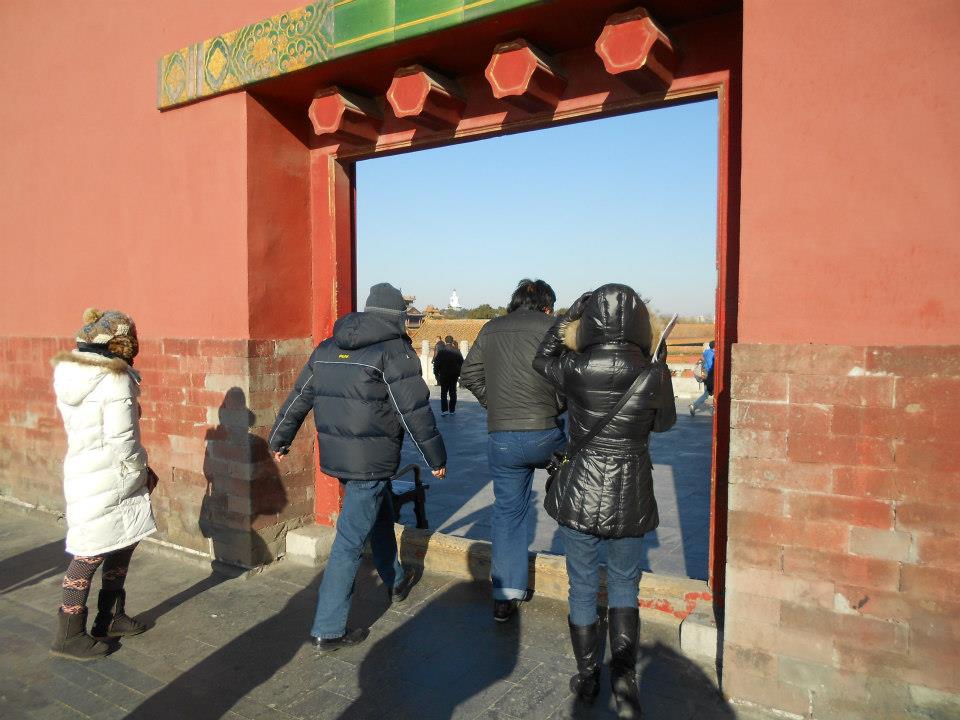
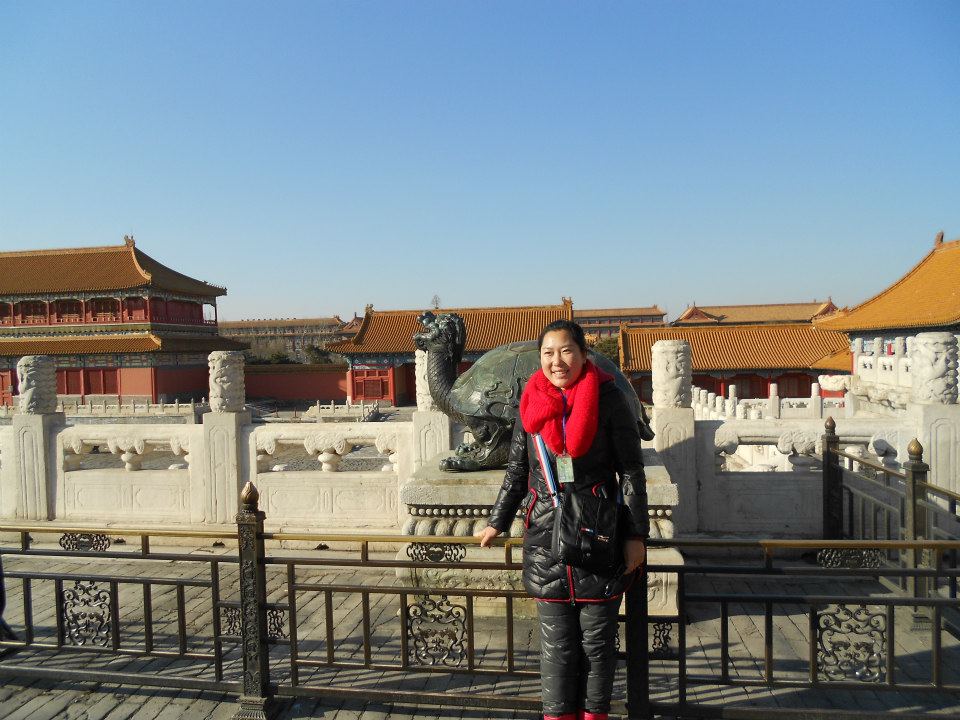
Then there is another moat, crossed by several white stone bridges and surrounded by black stone turtles with dragonlike heads. The dragon turtle combines two of the four celestial animals of Chinese mythology. Dragons symbolise success, courage, determination, and power. Turtles symbolise longevity and support. The transformation of the turtle to a dragon signifies impending success and good fortune in careers and business endeavours. I stop to take a photo of Kelly with one.
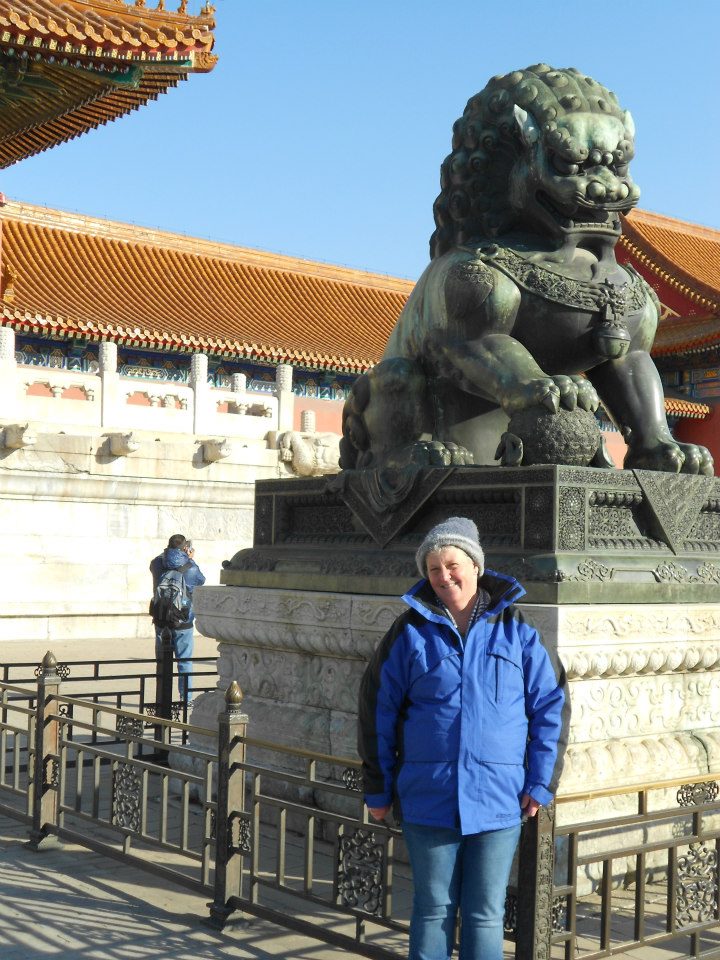
Then, a flight of steps leads to the inner ‘concubines’ area’. The steps are guarded by stone ‘shishi lions’ or ‘foo dogs’ as they are called by Westerners … apparently … they always come in pairs as they guard entrances and represent Yin and Yang energy. You can tell which is which because the male has a ball.
We pass through another gate which signifies the entry into the women’s quarters. Photos become forbidden too. Of the males, only Eunuchs and the Emperor went in here and no woman ever left here except for the queen. Each year, the eunuchs used to head out and recruit fresh young girls that they thought might please the emperor. They would select one for him every night and if she pleased him, she could stay, but if not, there was huge shame involved and she usually suicided.
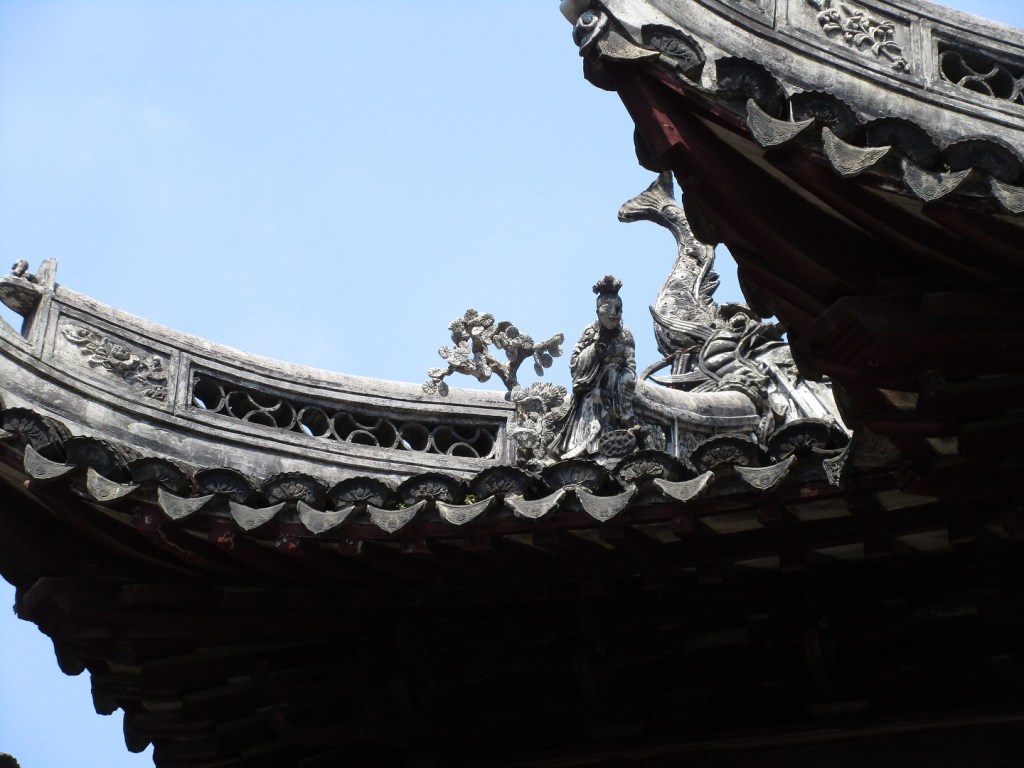
We eventually emerge on the other side of the Forbidden City, about two hours later and after seeing numerous buildings such as the Royal Lavatory. There’s a volcanic rock garden which the women used to play in.
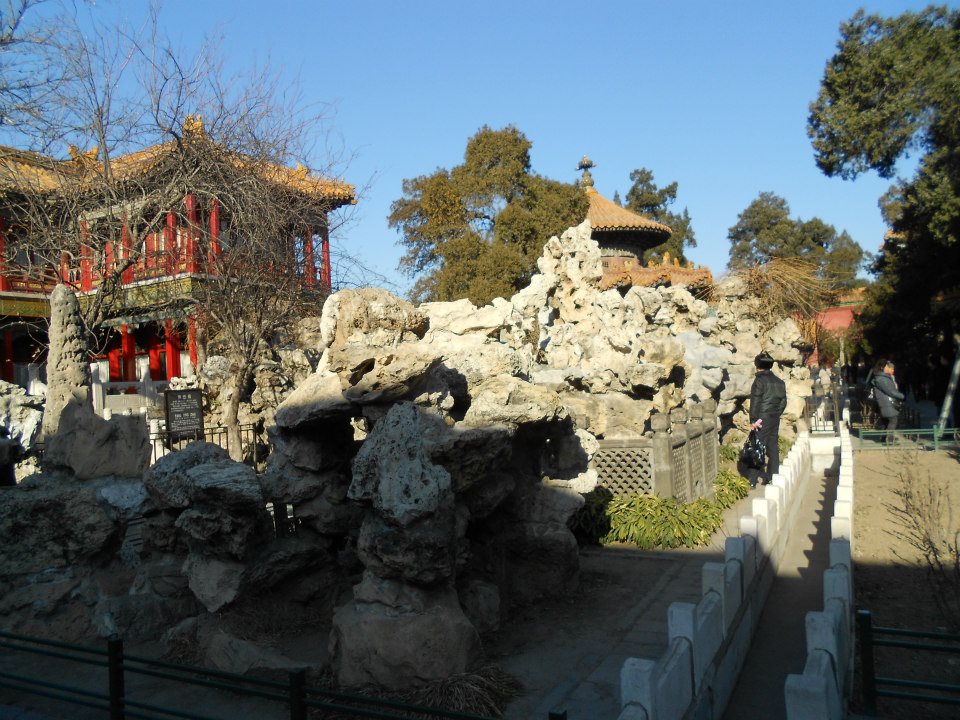
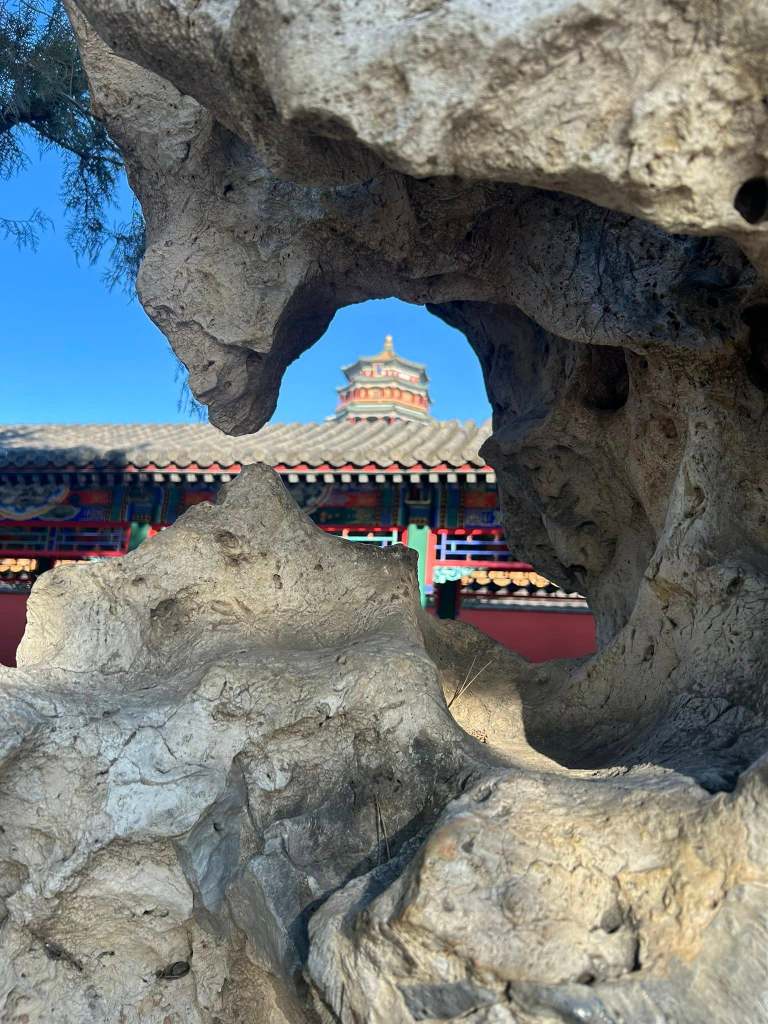
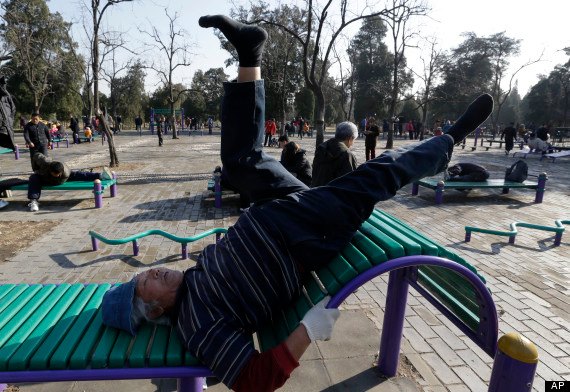
Apparently, the rocks came from the other side of China. We can see a pagoda in Beihai Park and we cross a frozen moat to get to it and walk through throngs of retired Chinese people doing exercises.
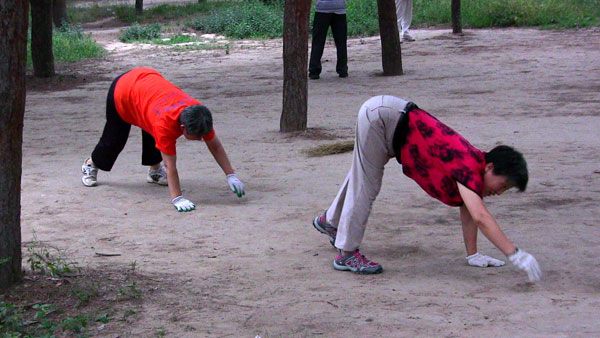
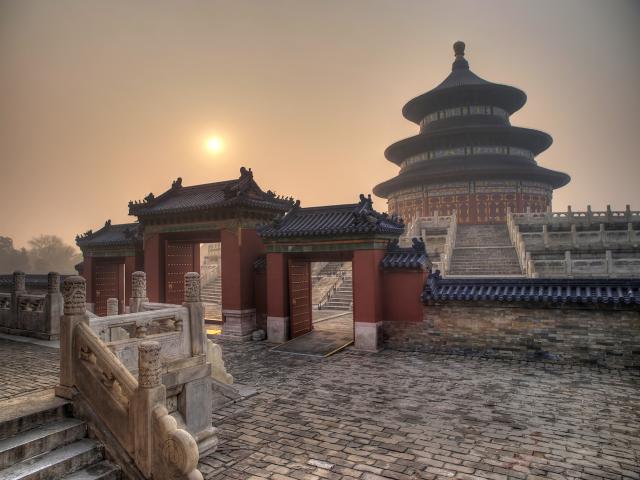
After lunch which is a set menu of the sort of things you’d find in a Chinese restaurant at home,, Richard takes us to the Temple of Heaven( 天坛) pronounced Tianten – the second character means “altar” in Japanese though. As this place was used for spilling blood to enjoy bountiful harvests, I am wondering if maybe “temple” is a Western label. It’s the structure you see in brochures which has stairs that seem to be always facing you, no matter which perspective you see it from. My pictures don’t emulate that effect.
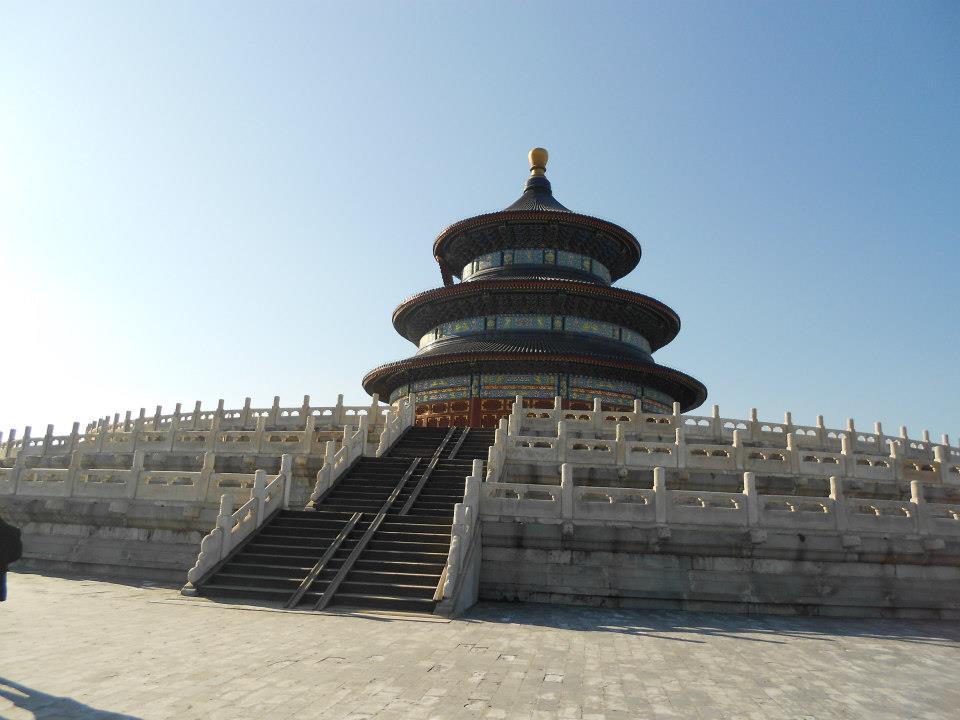
The Temple, dating back some six hundred years, is enclosed by a long wall. The northern part of the main temple within the wall is semicircular symbolising the heavens and the southern part is square symbolising the earth.
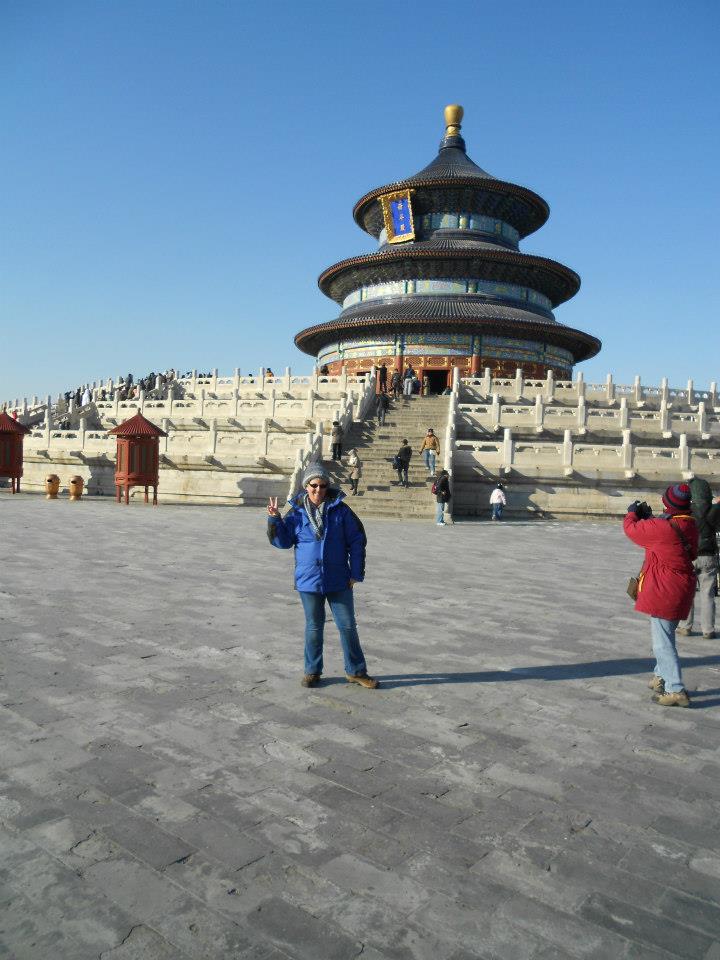
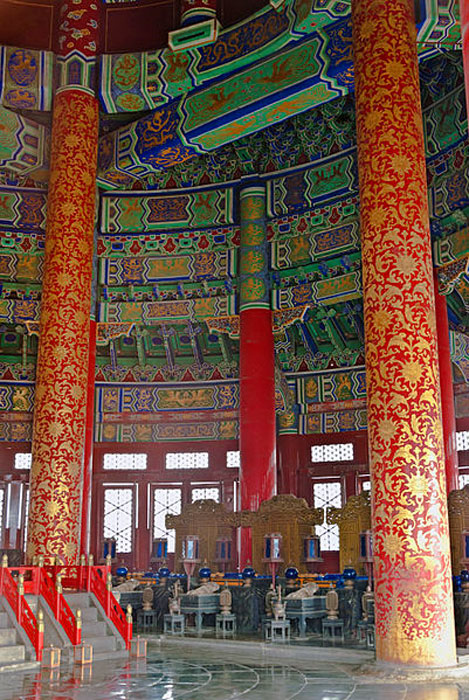
The northern part is higher than the southern part. This design shows that heaven is high and the earth is low and the design reflects an ancient Chinese idea of ‘The heaven is round and the earth is square’. More people are doing Tai Chi around it, but there is a noticeable lack of Buddhist and Taoist idols and statues. Inside the Prayer Hall there are the most beautiful, colourful decorations.
There are three main terraces in the Temple of Heaven complex surrounding the impressive main structure— the Circular Mound Altar, the Imperial Vault of Heaven and the Hall of Prayers for Good Harvest. The Circular Mount Altar consists of two areas, an inner circular area surrounded by an outer square wall. There are several minor structures in the outer square area. One of these structures is a round green tiled oven. An oven apparently used for…. here it comes…… “animal sacrifices”.
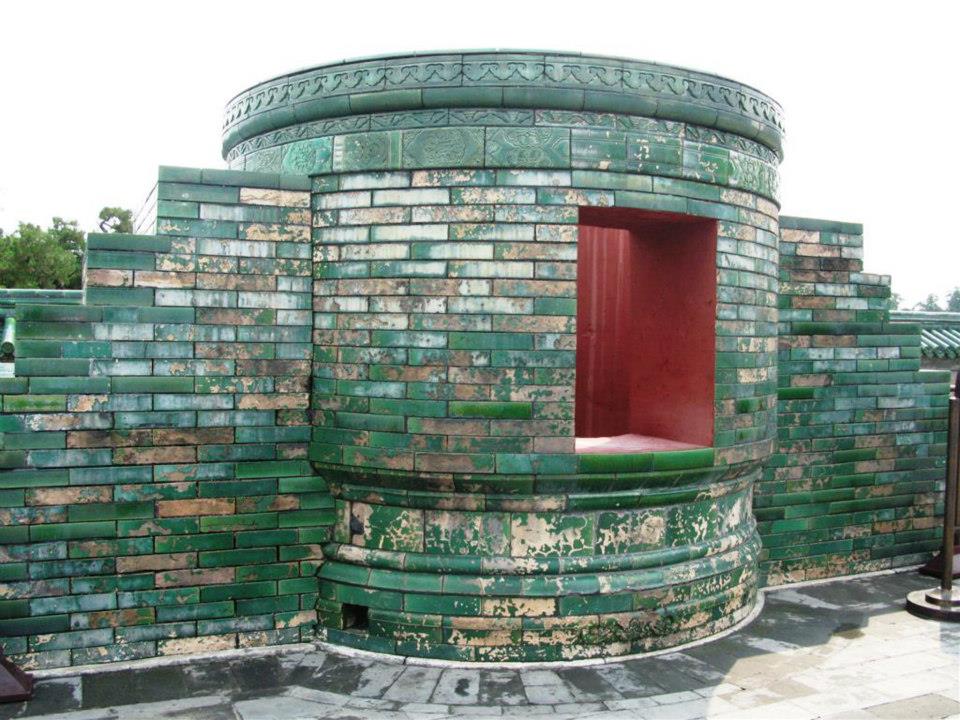
Next to this innocent looking oven is a pit called “the Pit of Hair and Blood”. Kelly is taken aback that I understand what the characters mean because they’re the same in Japanese. She says that probably there had been human sacrifices made here as well. There are bloodthirsty gods all over the world!
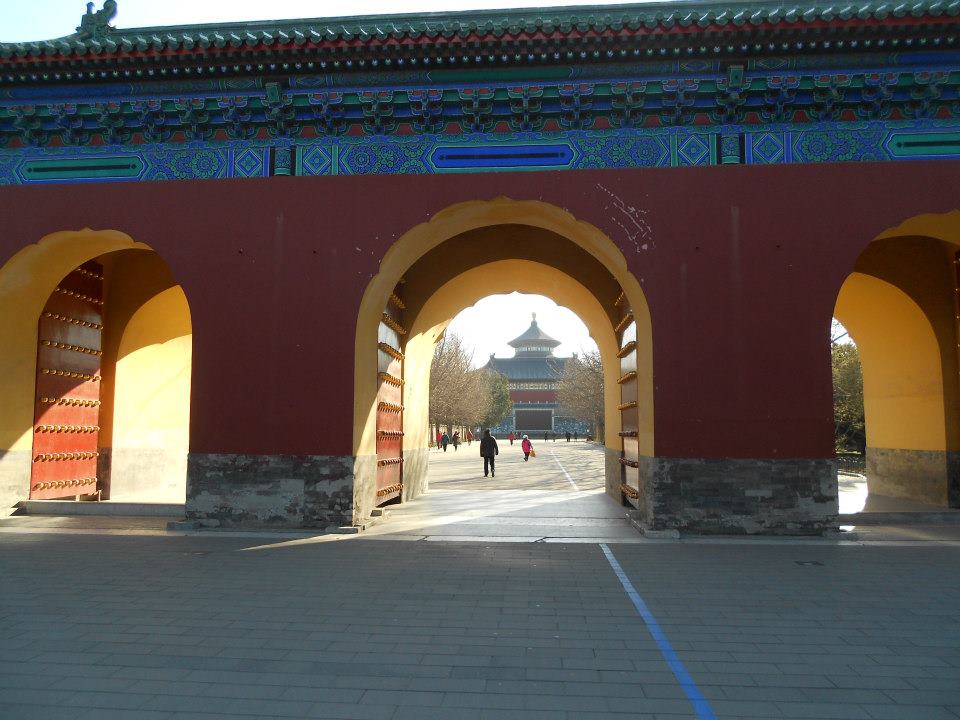
The Temple of Heaven is surrounded by what is considered a public park. Ordinary people pay to go to parks in China, but pensioners can get in free, so this has become sort of like an unofficial “Club” for them. They come here to exercise, smoke, play board games and cards, sell crafts (and to keep right on knitting), sink a few Tsing-taos (beer brand) and just relax.
Apparently, the set compulsory retirement age is 55 and dropping.
We are amongst the last group to leave. The sun is setting through a polluted sky as we return to the minibus.
Our second day of Wendy Wu package tour sightseeing takes us to the signature Chinese experience—the Great Wall of China, a childhood bucket-list item— and the Summer Palace. It takes about an hour and a half to drive to the wall through dull concrete-grey suburbs and air brown-hazy with smog. They are trying to do something to curb the pollution, honest. Cars are only allowed on the road every second day. This is determined by whether their number plates end in an odd or even number. Tourist operators are exempt.
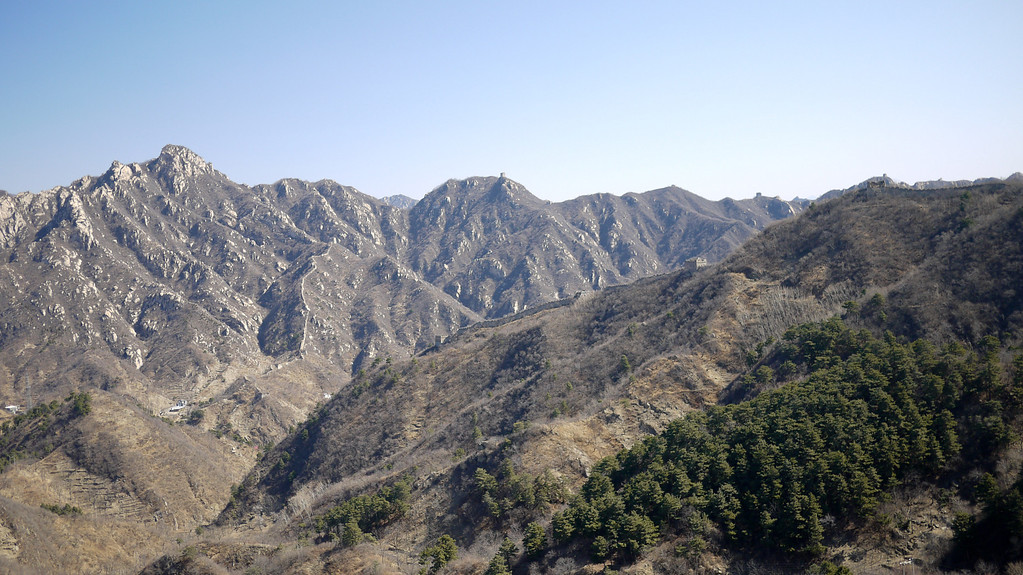
It’s one of those moments that stand still in time when we finally see the faint grey line snaking across the barren, dull grey-green mountains ahead. Like my first glimpses of the Pyramids, the Eiffel Tower or the temple precinct of Arun Wat in Bangkok—it’s as if it had been waiting for us to catch sight of it.
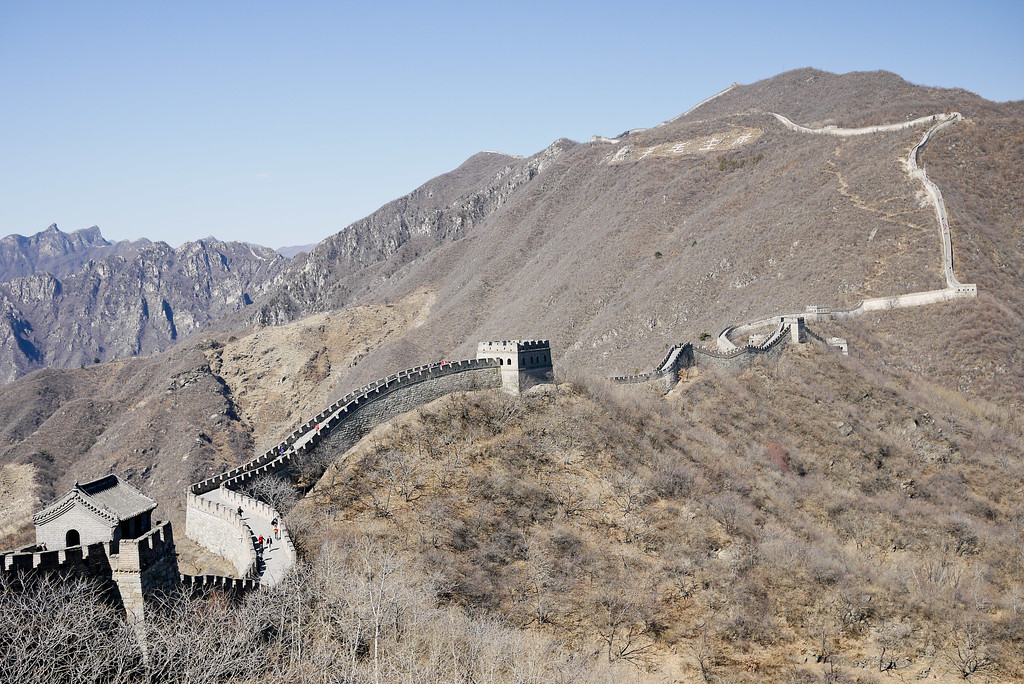
We just can’t tear our eyes off the wall as we approach. The carpark is quite deserted when we arrive, and we’re given two hours to climb as far as we like towards a hill on either side.
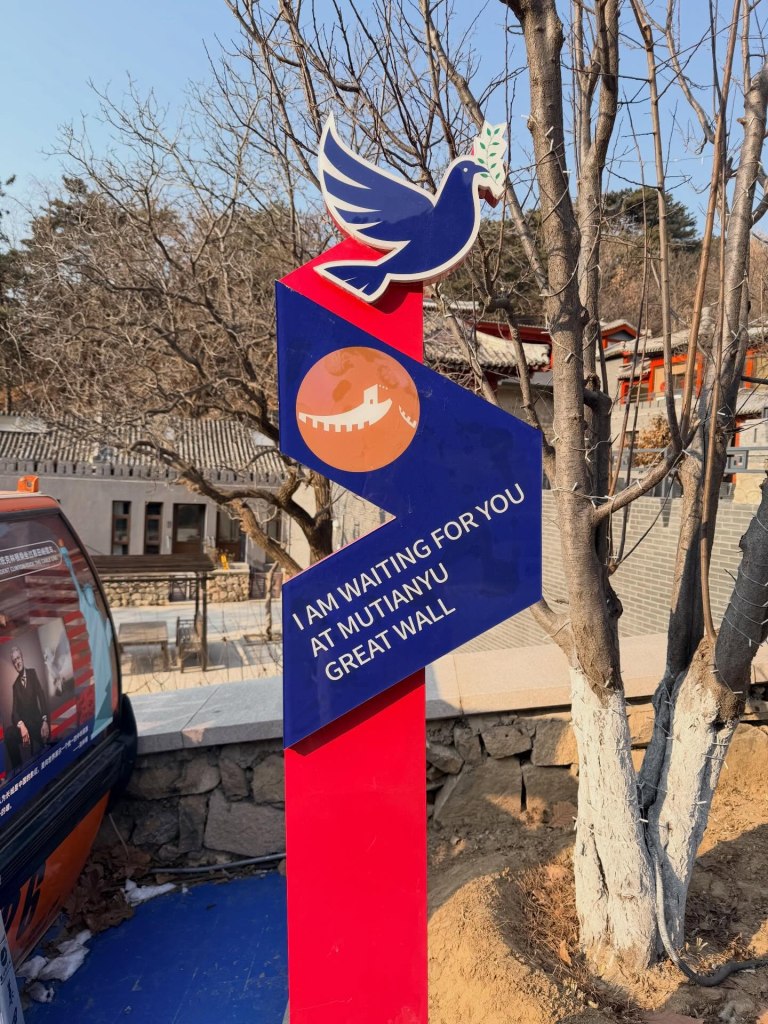
We decide to visit the toilets before setting off; as you do. They are up a flight of steps and guarded by a pair of shishi lions, but that’s where the nice part ends. Think pits which you straddle on wet checkerplates wishing someone had told you that a nosepeg is required. A thousand Dettol-sanitiser-wipe moments won’t get the memory of the odour out of my mind.
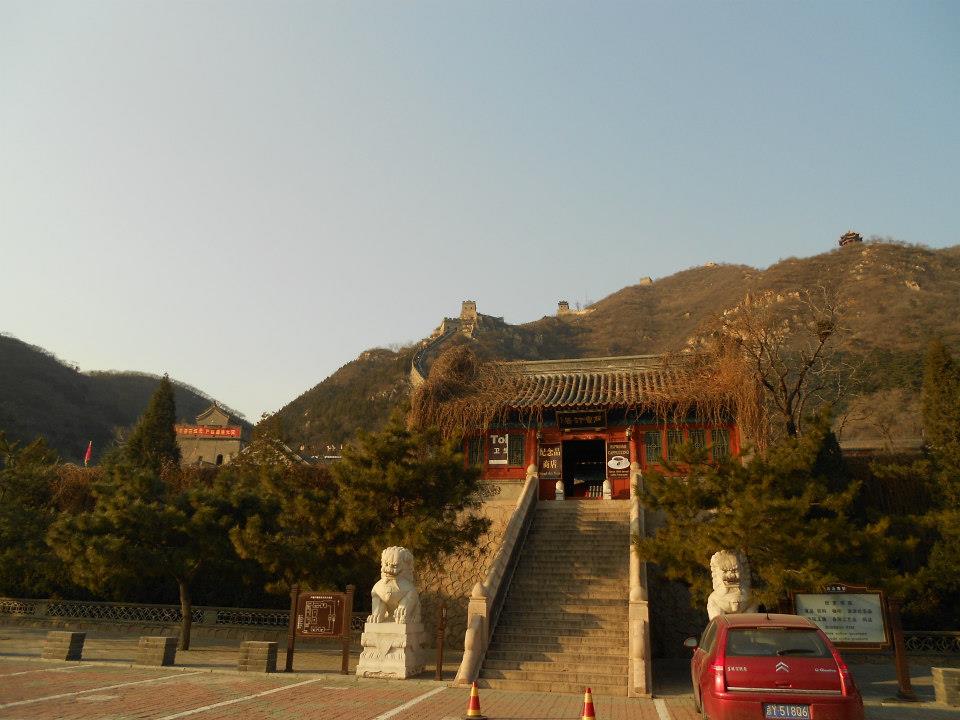
We turn towards the steeper section because there seem to be less people, although we have to wait for a travelling company group to take their group photos right at the beginning.
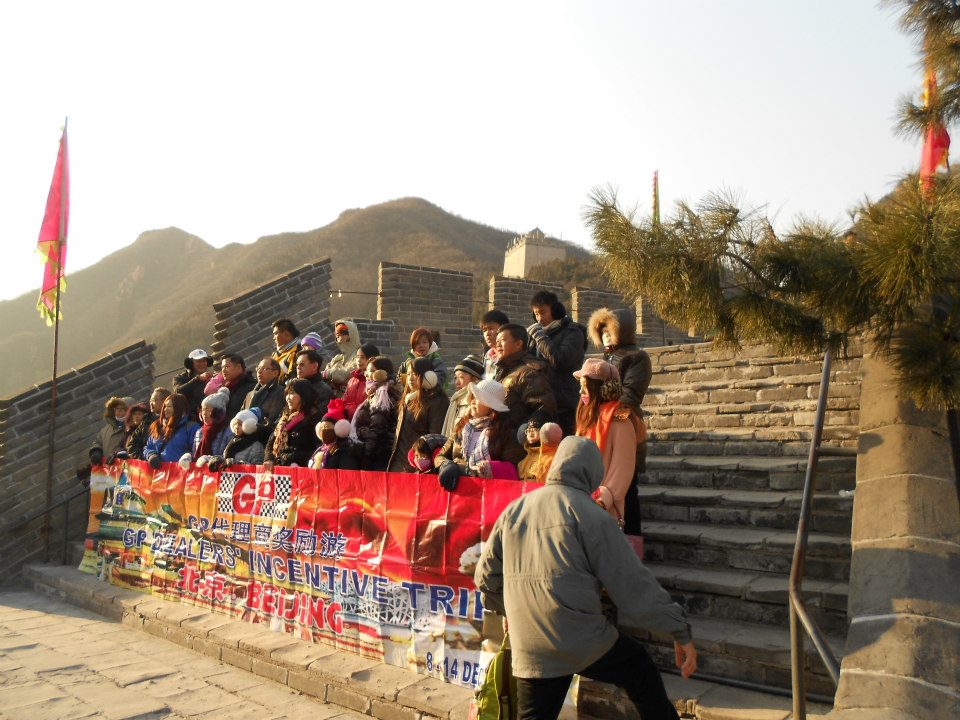
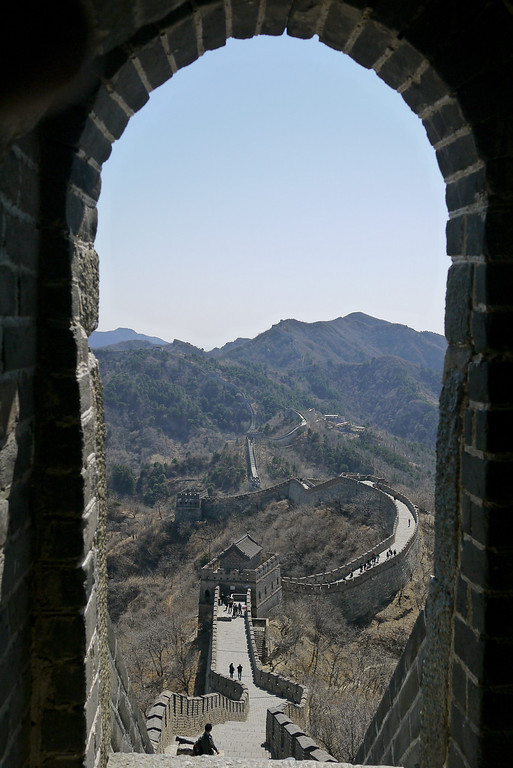
Some travellers’ photos of the wall show forests of selfie-sticks and thick crowds all snapping photos and jockeying for space. Mutianyu, which is the section we visit, is well-touristed, but spacious. It’s not quite quiet enough for meditation and solitude, but the patient photographer (me!) can wait out the odd group or two long enough to shoot a tourist-free section of the Wall.
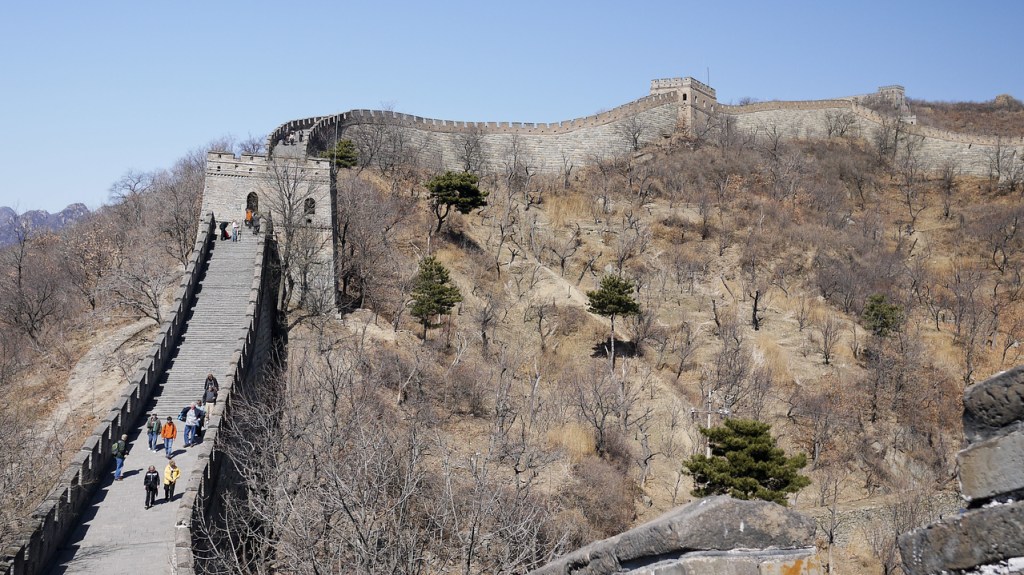
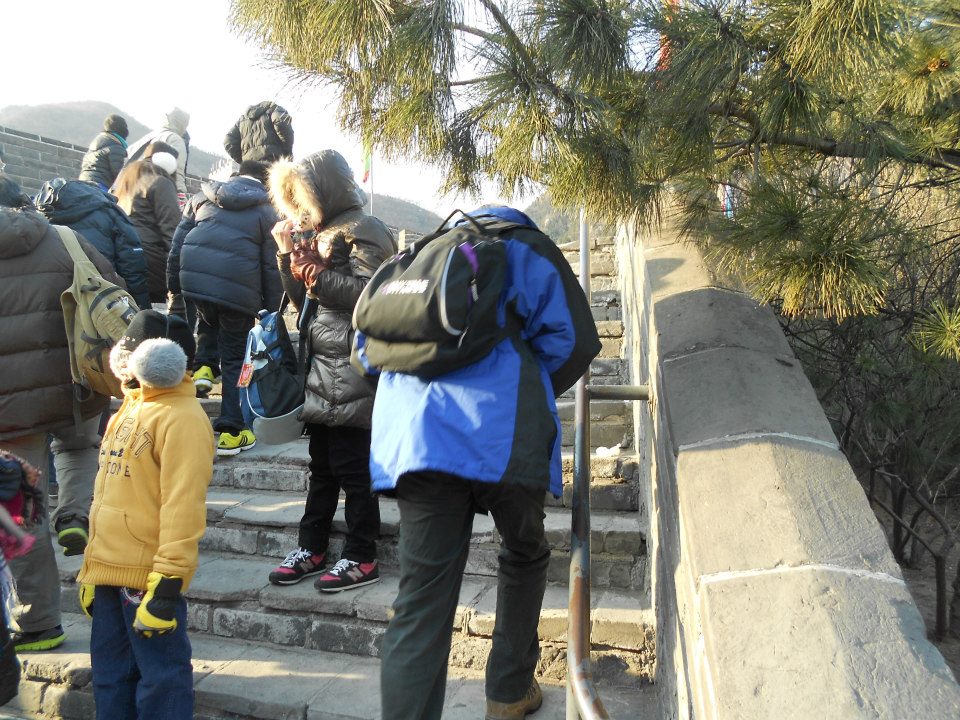
The views of the drab countryside, vegetation reminiscent of saltbush, changes with each step. My huffing breaths pump out into the crisp, cool air with each of my clipped footfalls. I stop at each watchtower and think, “Wow, at one point in history there was a member of the Chinese army standing right here, right in this spot, scanning the horizon and shouting out orders to his comrades.” Then my legs begin to ache.
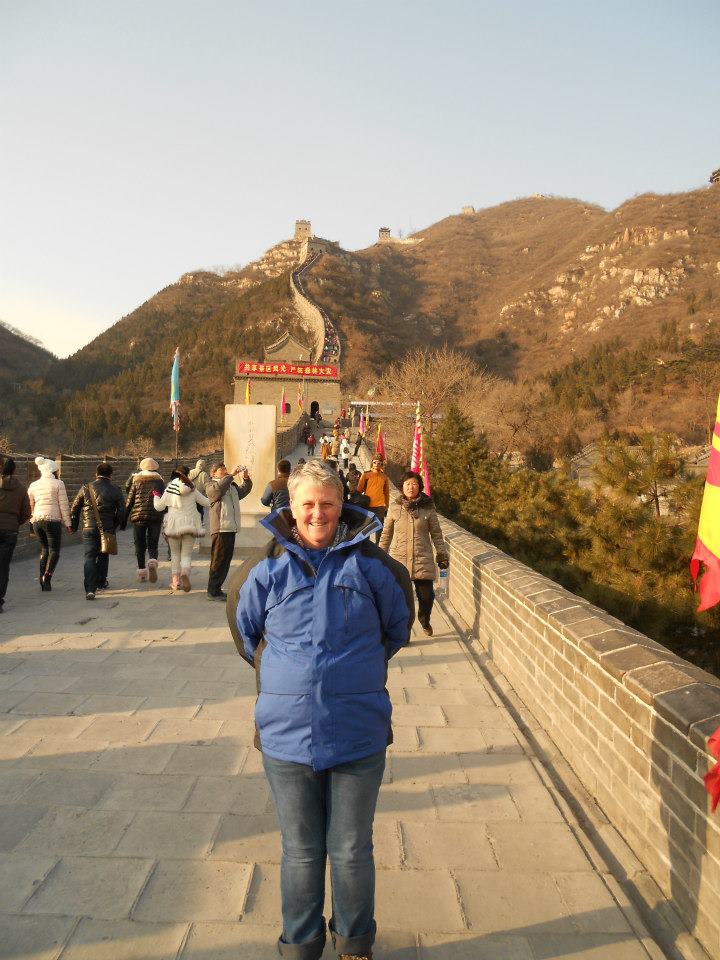
The thing about childhood bucket list items is that your eight-year-old brain romanticises the epic moment but completely skips over the physical reality. Little Meg imagined conquering ancient towers. Unfit adult Meg got humbled by ancient stairs.
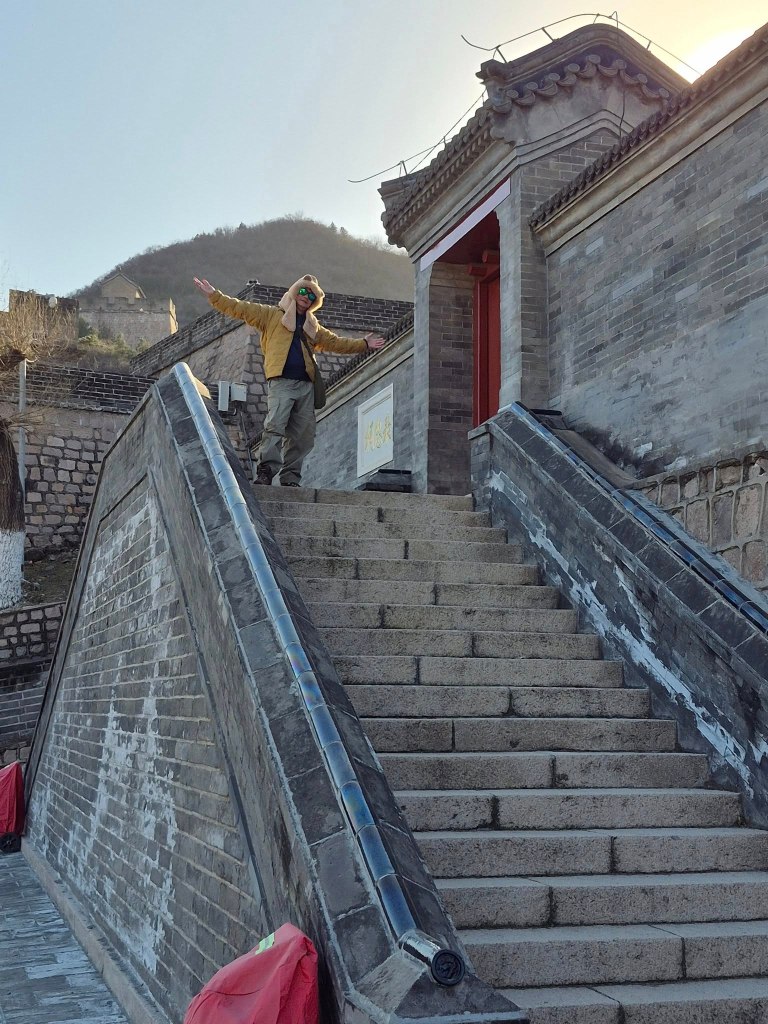
What we didn’t fully grasp, was just how challenging it would be.
The stairs are RELENTLESS. Some so steep you’re practically climbing. Others so uneven every step requires focus. And there’s no backing out halfway – once you start, you’re committed to thousands of stairs whether your legs agree or not.
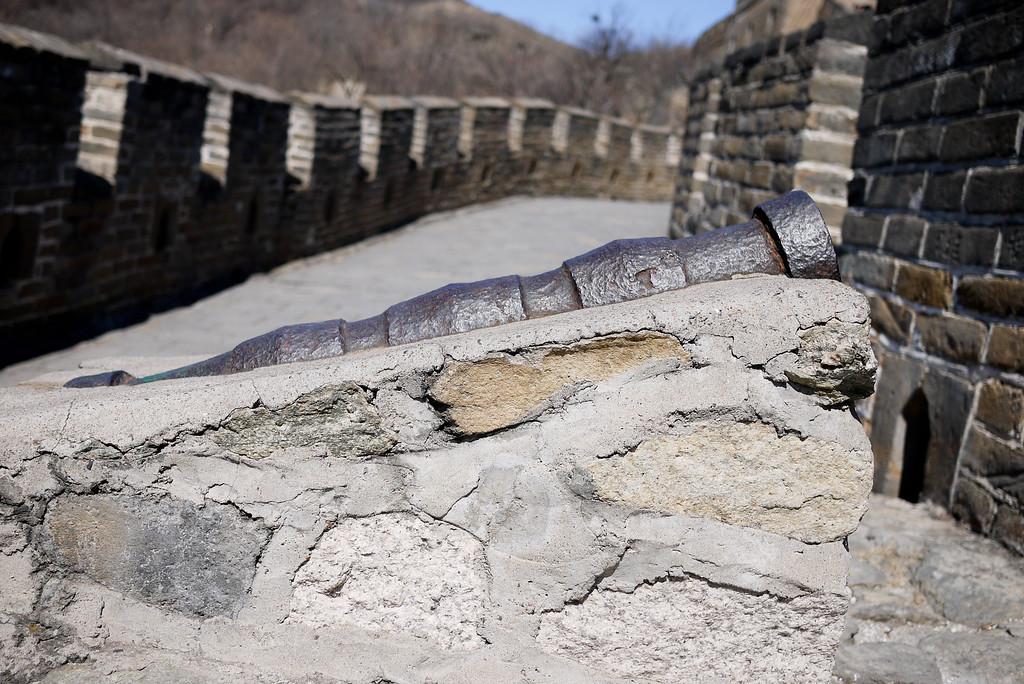
We make it to the 12th tower and abandon our goal of getting right to the top when we see our slow progress, and instead sit on one of the cannon mounts snacking on dried fruits and nuts and drinking bottled water. The vendors are unobtrusive and they leave you in peace except when you approach them and point to a drink. We’re glad that Kelly had reminded us to bring some change. NEVER drink the tap water in China, by the way. Never, ever.
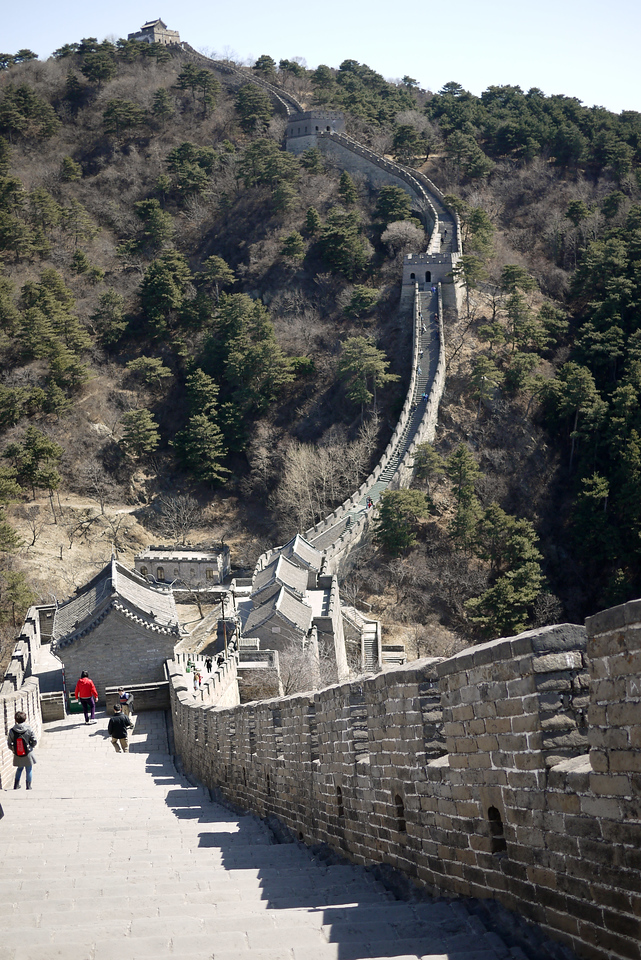
But here’s what eight-year-old Meg got right: this IS an incredible adventure. The wall stretching endlessly, for 21000 Km across mountain ridges, the centuries-old stone beneath your feet, the pride of actually doing something you dreamed about as a kid – that part lives up to the fantasy.
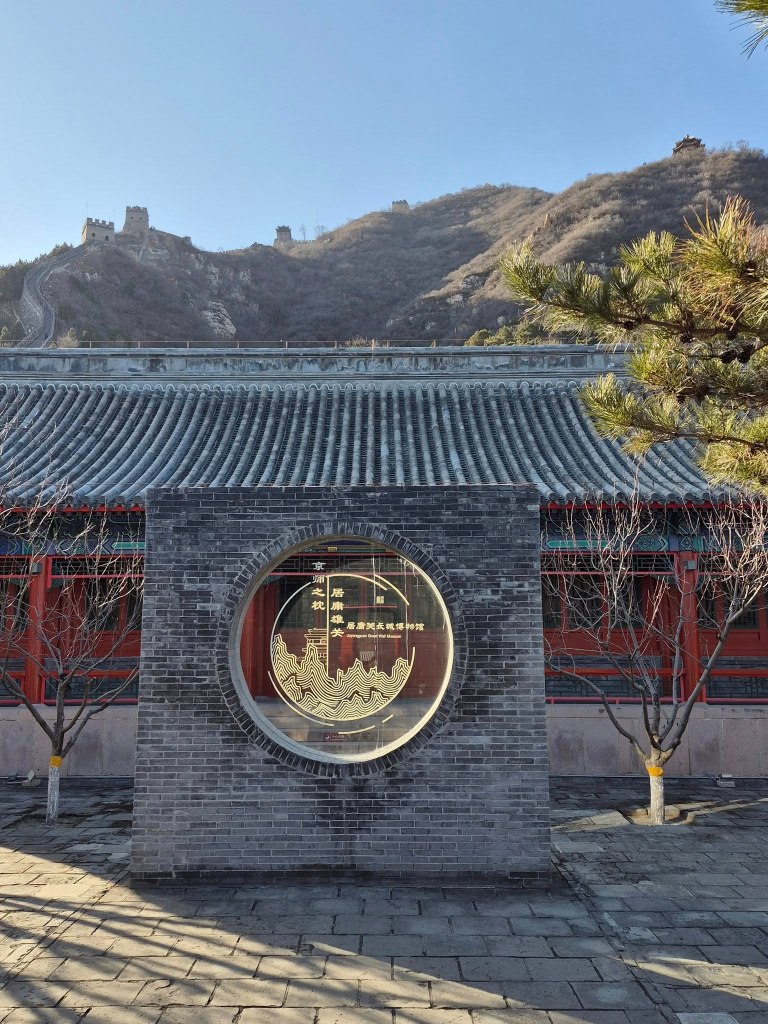
Just turns out the fantasy was missing a few thousand stairs and a lot of quad pain. One fun thing offered at Mutianyu is the toboggan ride you can take on the way down. We didn’t know that though. It may have saved some of the leg pain. Nor did we know about the chair lift up till we saw that. Entrance to the Great Wall costs 45 Yuan, and another 65 CNY if you want the chair lift up and the toboggan (or chair lift) back down. My heart swells to match my legs—with contentment.
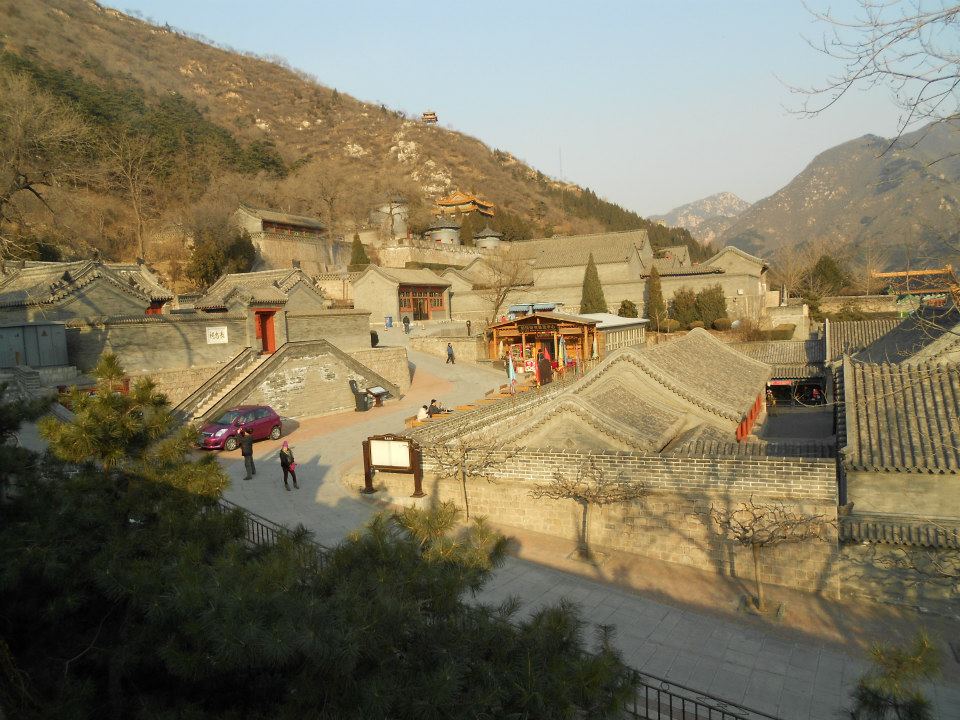
If the Great Wall is on your bucket list, just know it’s going to test you. Bring water, wear good shoes, prepare mentally and physically, and embrace the challenge. Your childhood self would be proud…and also very sore and sweaty—even in winter.
It’s a definite relief to our legs to get back to the northern precincts of Beijing to explore The Summer Palace. I admit to napping during the trip.
A marvel of Chinese garden design, the beautifully restored Summer Palace seems to rise up from the waters of the frozen Kunming Lake.
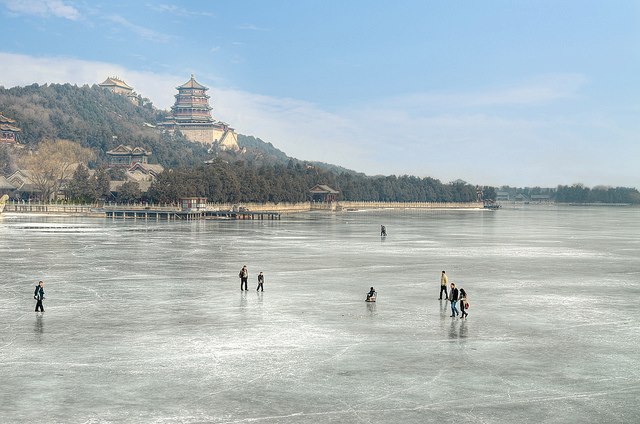
Once a royal retreat for emperors fleeing the suffocating summer heat of the imperial city, this was the preferred residence of the Empress Dowager Cixi, who ruled the city and empire until 1908, when the British trashed it during the Opium Wars.
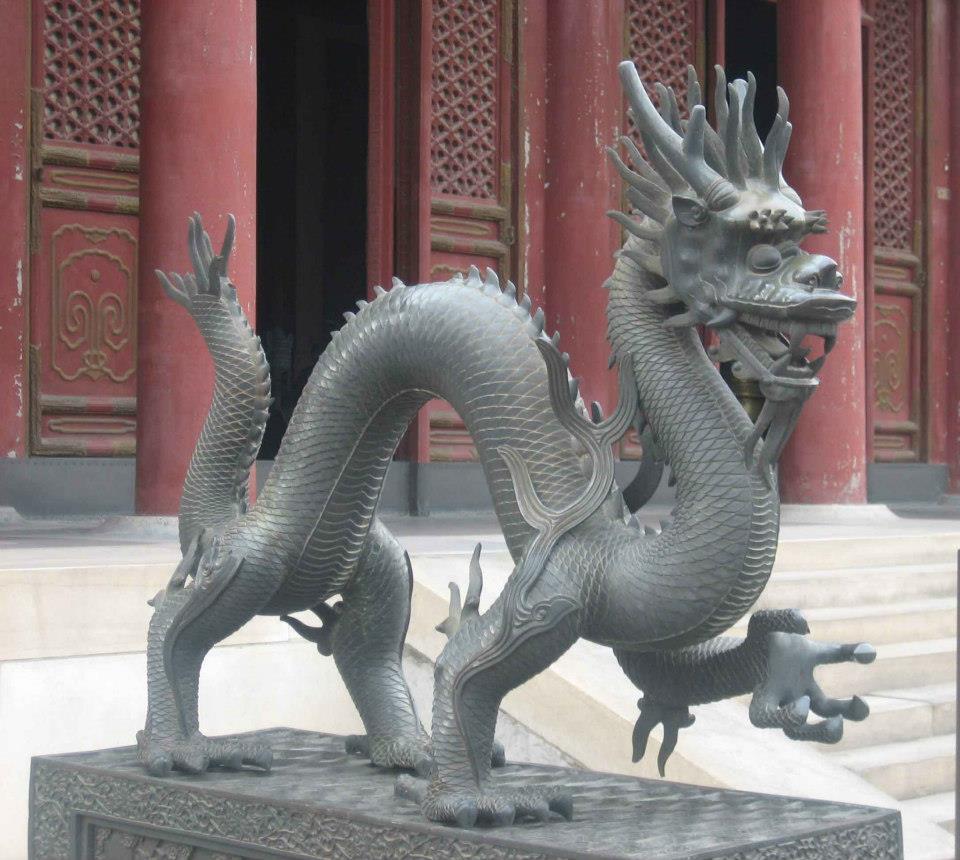
A phoenix (according to Kelly) commands the entrance, and the dragon representing the emperor is off to the side, symbolic that a woman was running the show.
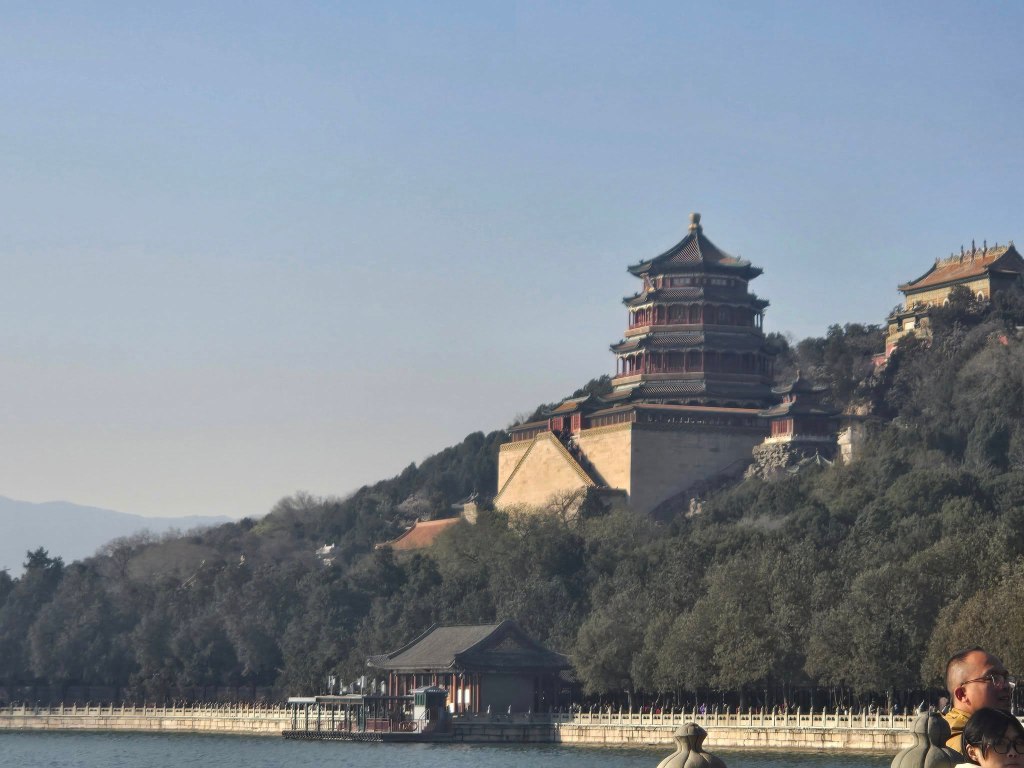
Cixi’s living quarters were perfectly placed for access to the Long Corridor, a canopied walkway zigzagging westwards for 728m (2388ft) along the north shore of Kunming Lake at the foot of Longevity Hill.
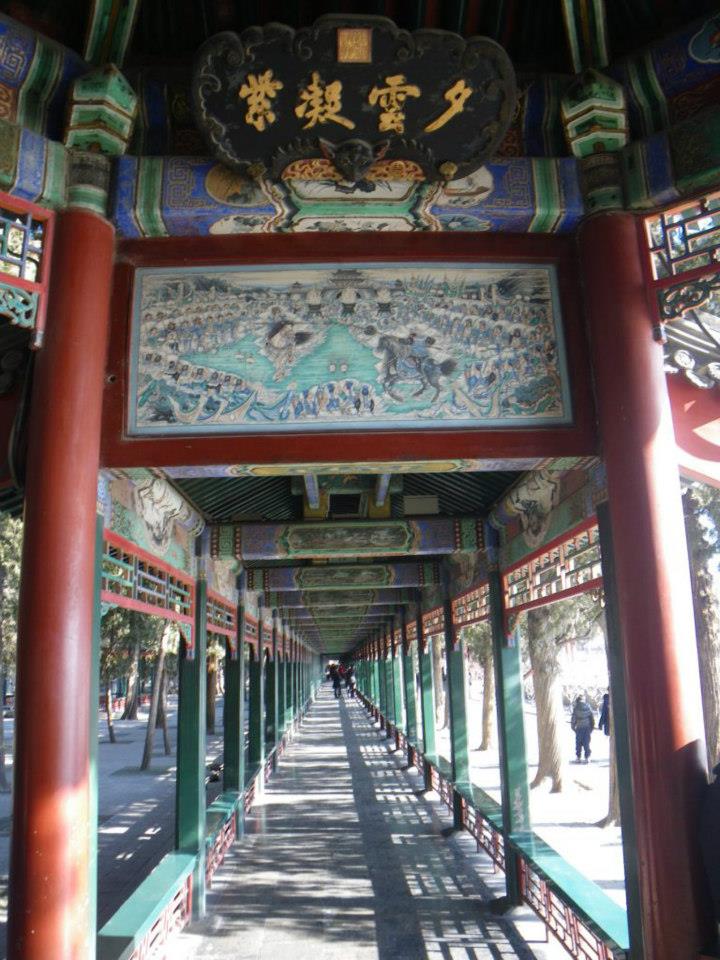
Wandering its elegant length, you can easily imagine Cixi being carried here in her sedan chair, admiring the artwork painted on every crossbeam, column and ceiling arch.
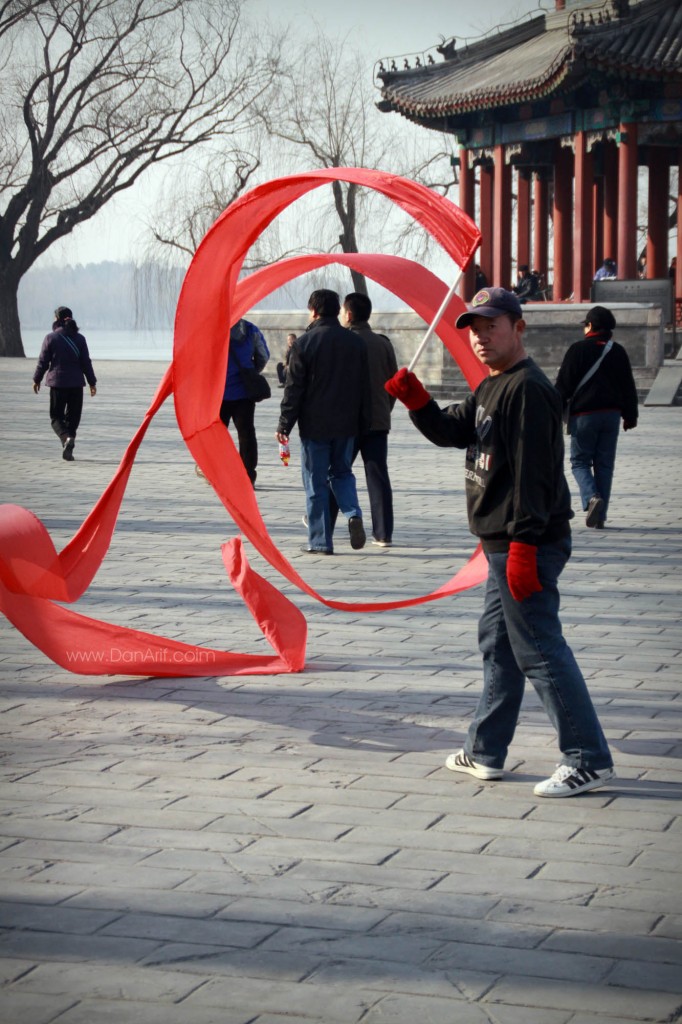
Kunming Lake was excavated as part of a Yuan Dynasty reservoir project in the 13th century, and the hill behind it, later renamed Longevity Hill, was used as a location for temples and gardens in the 15th and 16th centuries.
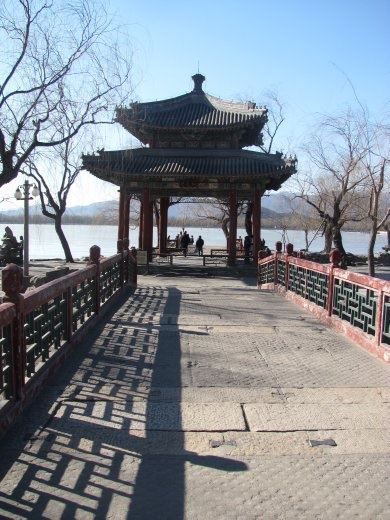
The Summer Palace itself took shape in the 1750s, as the Qianlong Emperor expanded Kunming Lake to provide additional water for the expanding city, using the excavated soil to landscape his new garden on the edge of Longevity Hill– which was landscaped using the soil excavated during the enlargement of Kunming Lake – in four elegant tiers. It’s an impressive sight to see the octagonal Tower of Buddhist Incense, rising 41m above the slopes of the hill.
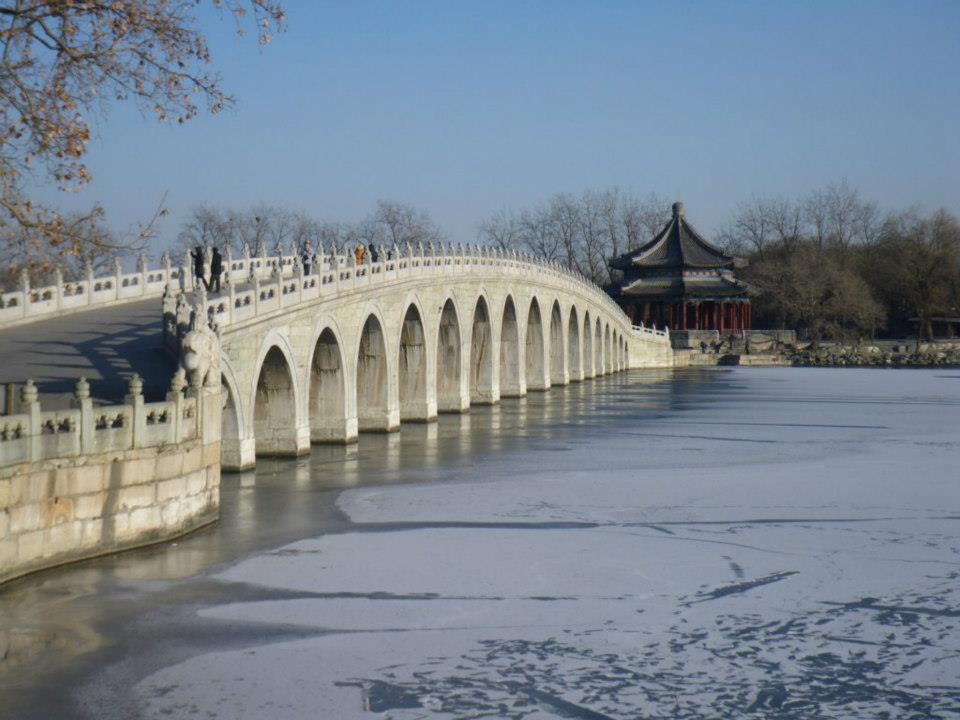
A willow-lined promenade offers some of the best spots for photographs of the Summer Palace buildings from the outside.
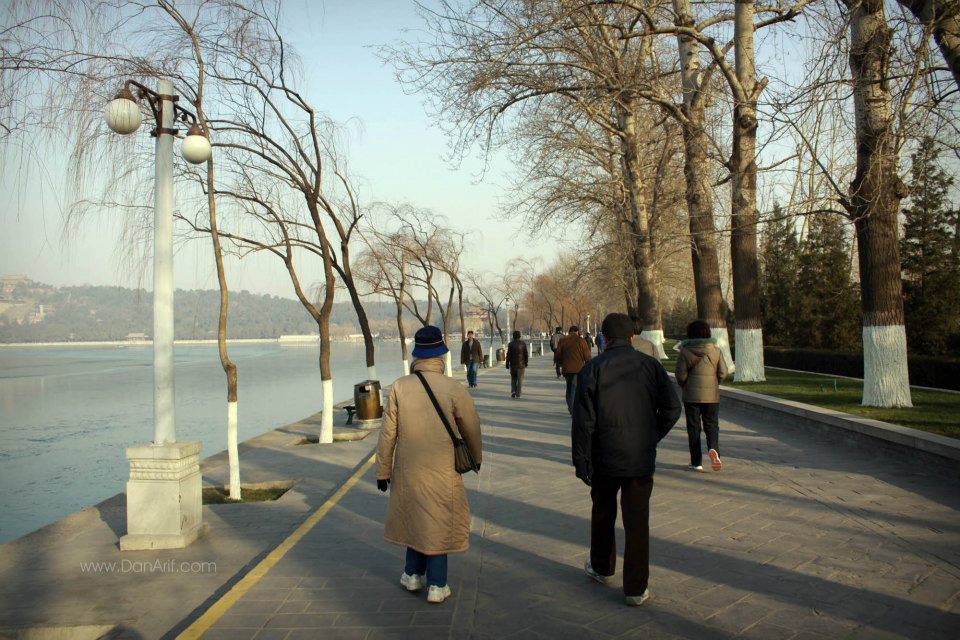
We only had time to go inside one building—The Hall of the Jade Waves where Cixi kept the emperor prisoner.
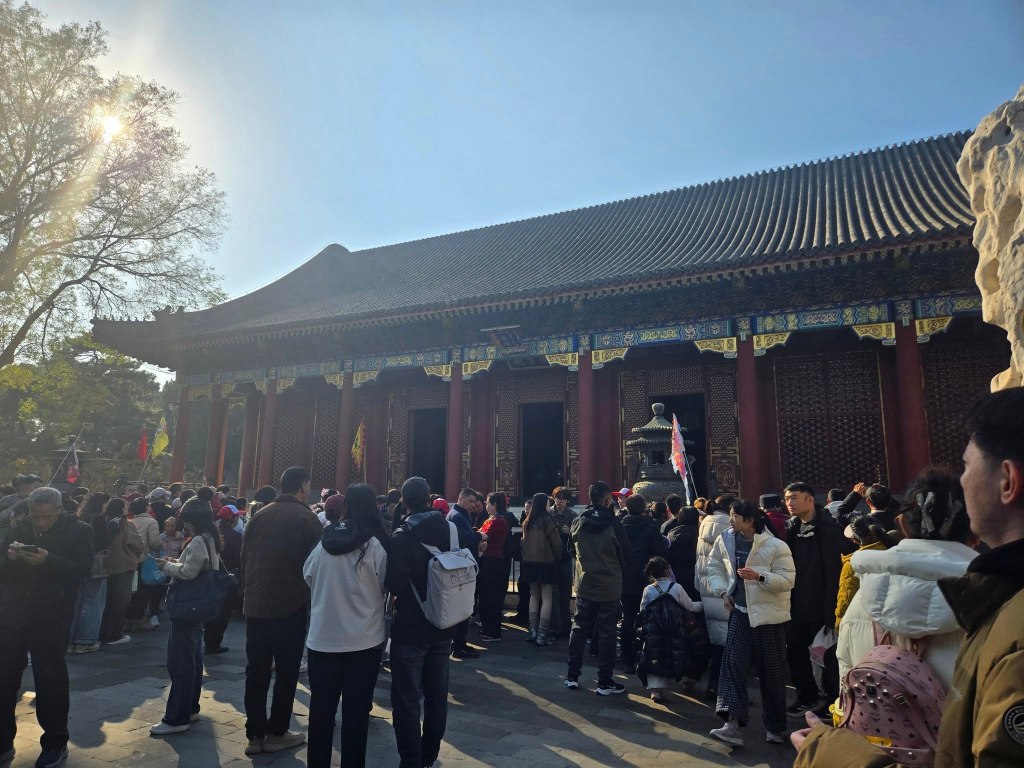
The last day of our stopover in China, the plane through to Munich isn’t scheduled to leave till early the next morning, so we take ourselves to Beijing Zoo by taxi to see the pandas. Very few people in China speak English, so the hotel clerk writes the characters for ‘Beijing Zoo’ and the hotel’s address for us on pieces of paper. We ask him to write on the piece for the zoo that we would like to be picked up again at the gate at Midday and to put his number in case the taxi driver doesn’t show so he can call us a taxi. It costs the equivalent of about $AUD40 each way.
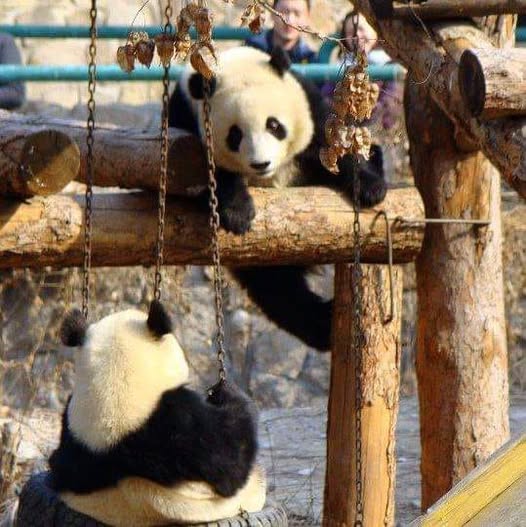
We are not disappointed. Everything goes according to plan. Entry is 218 yuan each (about $45 Australian) and they give us a map with the pandas marked on it. There are lots of pandas, most with their backs to us. It’s a once-in-a-lifetime opportunity, so well worth the expense.
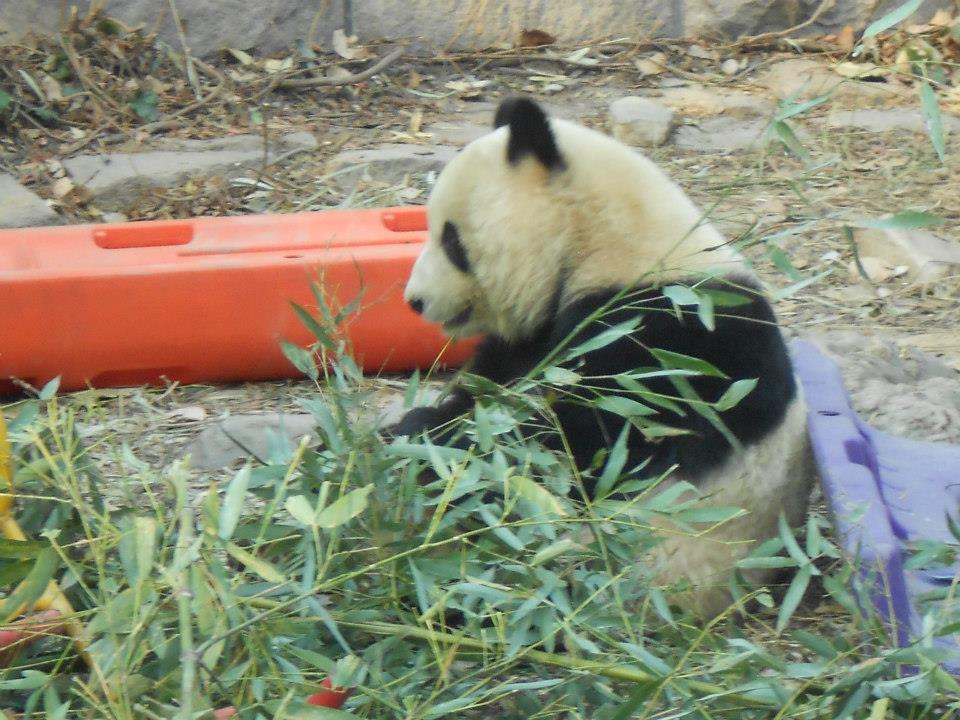
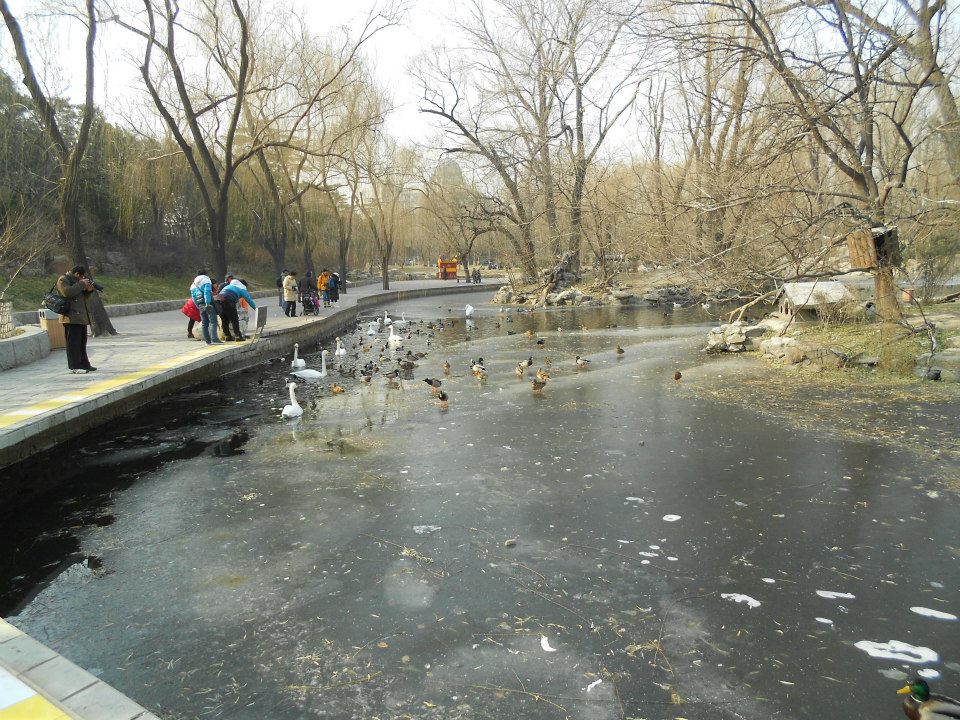
We also see a white tiger and a lot of other animals that you’d expect to see in zoos. Most of the animals are well cared-for and the atmosphere is happy. There are potentially (in summer) nice gardens and lots of free-ranging ducks on open ponds.
Kelly and Richard collect us at the hotel at 5pm and take us to the airport early so they can sign off from work at 6:30pm.
If your tour guide provides excellent service, a tip of 50-100 CNY ($AUD10-$AUD20) per day is a good gesture of appreciation. Additionally, if you have a dedicated driver during your tour, it is also common to tip them around 50 RMB per day, depending on the level of service.
 Margaret R Kelly
Leave a comment