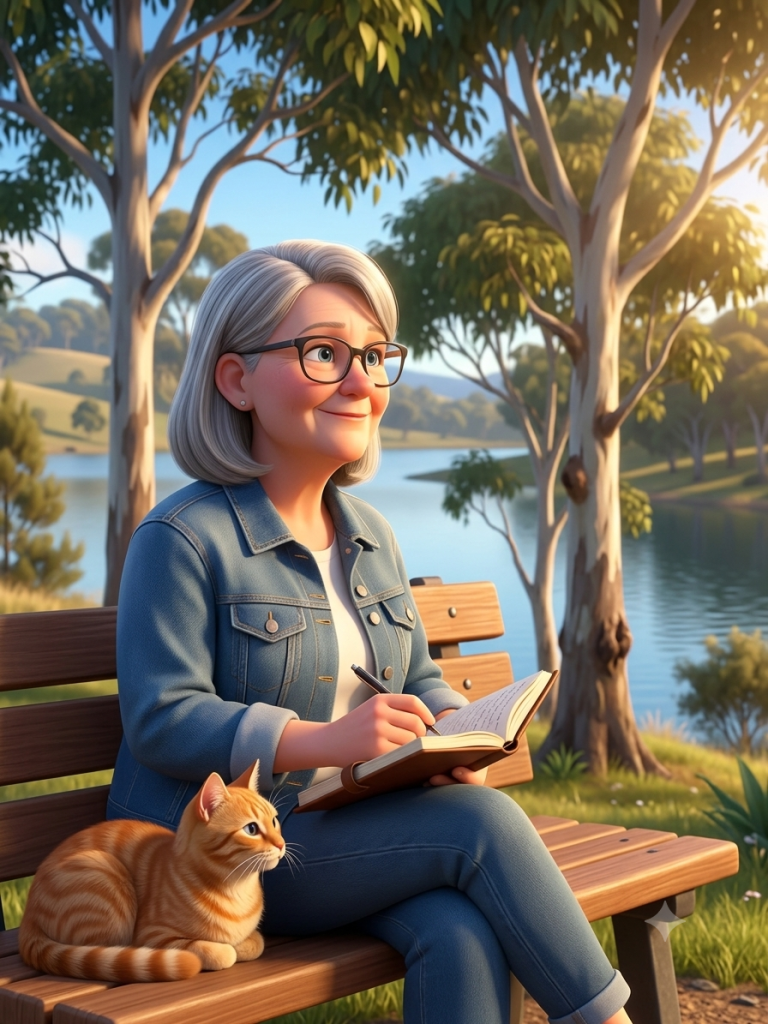
In a world filled with publishing schedules, social media posts, newsletters, blogs, and endless content creation, it’s easy for writers to forget why they started writing in the first place. Deadlines, algorithms, and audience expectations can slowly turn a creative passion into another item on a to-do list.
That’s why writing solely for yourself can be one of the most powerful things a writer does.
Whether it’s a journal entry no one will read, a letter that never gets mailed, a poem tucked away in a drawer, or a short story written simply for fun, personal writing allows creativity to breathe again. There is no pressure to impress anyone. No expectations. No need to edit every sentence until it shines.
It’s just the writer and the page.
Why Writing for Yourself Matters
Many writers spend most of their time creating for others. Authors write for readers. Freelancers write for clients. Bloggers write for audiences. Content creators write for engagement.
While there is nothing wrong with writing for publication, constantly creating with an audience in mind can sometimes disconnect writers from their own creative instincts.
Writing for yourself offers something different:
- Freedom from judgment
- Freedom from perfectionism
- Freedom from expectations
- Freedom to experiment and play
- Freedom to write badly without guilt
Ironically, when I, as a writer stop worrying about creating something “good,” I often rediscover some of my best ideas.
I think back to childhood. I didn’t write stories because I hoped to get published. I wrote because it was fun.
Personal writing helps recapture that feeling.
When there are no rules, you can become more curious, creative, and willing to take risks. You may explore new genres, unusual characters, or topics you’ve never considered before.
Writing for yourself can:
- Spark fresh story ideas
- Reduce creative burnout
- Improve confidence
- Strengthen your authentic voice
- Remind you why you fell in love with writing
Many writers find that after spending time writing privately, they return to their professional projects feeling energised rather than drained.
What Can You Write Just for Yourself?
The beauty of personal writing is that there are no requirements. Some ideas include:
Letters Never Sent
Write to someone from your past. Write to your future self. Write to a fictional character. The letter never has to leave your notebook.
Stories With No Purpose
Create a quirky character. Invent a magical town. Write a mystery with no plans to publish it.
Personal Journals
Record thoughts, dreams, frustrations, and observations without worrying about grammar or structure. I use mine to plan future writing and to write the results of research …
Poetry
Write poems that capture a moment, a memory, or a feeling: No audience required. That way, it doesn’t matter if you suck at poetry
Creative Lists
Create lists of places you’d like to visit, lessons you’ve learned, favourite memories, or ideas for future projects.
Should Writers Do This in Addition to Their Everyday Writing?
Absolutely.
Writing for yourself should not replace professional or goal-oriented writing. Instead, it works best as a companion practice.
Think of it as creative cross-training. A runner doesn’t spend every workout racing. They also stretch, recover, and build strength. Writers need the same balance. Even 15 to 20 minutes a few times a week can make a difference.
Personal writing helps keep creativity healthy, while everyday writing helps move projects forward. Together, they create a sustainable writing life.
Giving Yourself Permission
One of the hardest things for many writers is permitting themselves to write something that serves no practical purpose. Not every piece of writing needs to become a book. Not every journal entry needs to become an article. Not every poem needs to be shared.
Sometimes writing exists simply because the writer enjoyed writing it. And that may be the most important kind of writing of all.
When writers regularly make space for private, pressure-free creativity, they often discover something unexpected waiting on the page: the joy that inspired them to pick up a pen in the first place.

 Margaret R Kelly
Leave a comment